How to Prune Star anise?
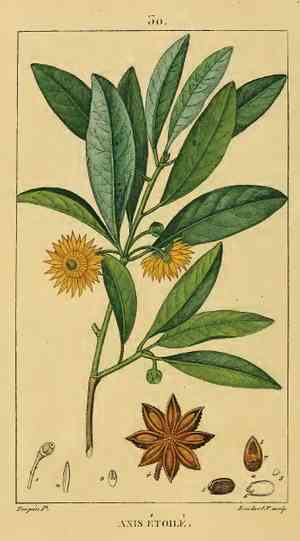
This aromatic evergreen shrub, valued for its spice-producing seed pods, thrives with regular trimming to preserve its form and stimulate denser development. Essential pruning methods for star anise include judiciously thinning out congested branches and eliminating any deceased or errant foliage. The most favorable period for pruning is in winter, while the plant is in a state of dormancy. Pruning not only improves its aesthetic appeal but also fosters robust well-being by enhancing air movement throughout its foliage. Always employ sanitized, keen implements for accurate incisions.
What Are the Benefits of Pruning Star Anise?
What Are the Benefits of Pruning Star Anise?
Consistent trimming of star anise promotes more robust development and maintains its desired form, ensuring both visual appeal and optimal vitality.
What Is the Best Time for Pruning Star Anise?
What Is the Best Time for Pruning Star Anise?
Late winter is optimal for trimming star anise as this timing avoids cutting during the primary growth phases in spring and summer, which could stress the plant. Pruning in late winter, when star anise is still dormant, allows for the removal of any dead or damaged wood without affecting new growth. This timing also prevents exposing fresh cuts to harsh winter conditions that could harm the plant. Additionally, it prepares star anise for vigorous growth in the upcoming season, making it easier to shape and maintain the plant's structure without impacting its flowering and fruiting cycles since star anise typically flowers in early spring.
What Tools Do I Need to Prune Star Anise?
Hand Pruners
For star anise, standard hand pruners are the initial tool to consider. These pruners are designed to make clean cuts on smaller branches, which is essential for preserving the plant's health and shape. Since star anise typically doesn't have very thick branches, hand pruners are perfect for cutting stems up to about 1/2 inch in diameter.
Loppers
When tending to star anise, gardeners might encounter slightly thicker branches that hand pruners cannot manage. In these situations, loppers, with their extended handles and increased leverage, are the next step. They can be used for branches that are up to 1 1/2 to 2 inches thick.
Pruning Saw
Should star anise have branches thicker than what loppers can handle, a pruning saw is appropriate. A pruning saw is ideal for branches over 2 inches in diameter and allows for precise cuts without causing damage to the surrounding plant tissue.
Gardening Shears
For shaping star anise and managing its leafy growth, gardening shears are very useful. They allow for quick trimming of excess leaves and are particularly handy during the shaping of star anise into hedges or specific forms.
How to Prune Star Anise
Identify
Examine star anise for dead or diseased branches, which may appear brown, dry, or show signs of fungal infection. These are the primary targets for trimming.
Sterilize
Sanitize your pruning tools with a 10% bleach solution or rubbing alcohol to prevent the spread of disease.
Cut
Make clean cuts using sharp, sterilized pruning shears. Cut dead branches back to living tissue, and diseased branches at least several inches below the affected areas, ensuring that you avoid tearing the bark.
Angle
Angle your cuts slightly downward to facilitate water runoff and prevent disease accumulation at the site of the wound. For star anise, this will also help maintain the desired shape and promote new growth.
Dispose
Properly dispose of the removed branches. Do not compost diseased material as it could contaminate your compost bin. Instead, seal it in a plastic bag and discard it with household waste.
Common Pruning Mistakes with Star Anise
Overpruning
Removing too much of star anise's foliage can weaken the plant. It is crucial to take a conservative approach, generally not exceeding the removal of one-third of the plant's overall volume during a single pruning session.
Incomplete tools
Utilizing dull or unclean tools can potentially damage star anise's branches, leading to ragged cuts that make the plant susceptible to pests and diseases. Always use sharp, clean pruning shears.
Uneven cuts
Making uneven or slanted cuts can interfere with star anise's healing process. It is essential to make clean, straight cuts just above the leaf nodes or branching points.
Pruning without purpose
Every cut should have a reason, such as removing dead or diseased wood, or shaping the plant. Randomly cutting star anise without a clear purpose can result in undesirable growth patterns and diminished health.
Common Pruning Tips for Star Anise
Identify deadwood
Regularly check star anise for dead or diseased branches, which should be the first to go when you start pruning. This helps maintain the plant's health and vigor.
Encourage air circulation
Thin out star anise's center by removing some of the crossing or inward-growing branches. This increases air circulation and sunlight penetration, essential for preventing fungal diseases and encouraging healthy growth.
Maintain natural shape
When shaping star anise, aim to preserve its natural form. Overly aggressive shaping can lead to a weakened structure and reduced flowering.
Careful thinning
To promote denser growth, thin out overcrowded branches. Make selective cuts to improve the plant's overall shape and structure, taking care to protect the main framework of star anise.
Sanitize tools
Before and after pruning star anise, ensure all tools are clean and sanitized to prevent the spread of diseases between plants.



