How to Prune Long-stalk holly?
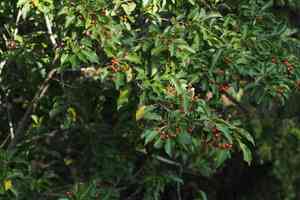
Originating from East Asia, Ilex pedunculosa is an evergreen shrub recognized for its attractive crimson berries and lustrous emerald foliage. Trimming should prioritize preserving its form, fostering its well-being, and managing its dimensions. The most suitable time for pruning is during the winter season when the plant is inactive. Reducing crowded branches enhances light exposure and air movement. Excising impaired or ailing branches is essential. Cut back to stimulate berry development, as fruit emerges on fresh growth. Consistent pruning boosts the plant's vitality and visual charm.
Advantages of Trimming Long-stalk Holly
Advantages of Trimming Long-stalk Holly
Trimming long-stalk holly promotes robust development and maintains its desired form. Strategic cuts can stimulate new growth, enhance air circulation, improve light exposure, and control the plant's size, fostering its overall health and visual appeal.
Optimal Time for Trimming Long-stalk Holly
Optimal Time for Trimming Long-stalk Holly
Trimming long-stalk holly during late winter to early spring is ideal as it occurs in the dormant period before the spring growth cycle begins. This timing prevents undue stress on long-stalk holly, as pruning during active growth can lead to sap loss and impact the plant's vitality. Furthermore, it allows gardeners to clearly observe the structure of long-stalk holly without leaf obstruction, enabling better decisions regarding shape and health. It also minimizes the likelihood of disease transmission, as many pathogens are inactive during this period. Lastly, trimming at this time ensures that any new spring growth is vigorous and not immediately removed, which can encourage a fuller, more robust foliage display in the growing season.
Tools Required for Trimming Long-stalk Holly
Hand Pruners
Perfect for making precise cuts on smaller branches typically found on long-stalk holly, without harming the plant tissue.
Loppers
Suitable for reaching into the denser, inner parts of long-stalk holly and cutting through thicker branches that hand pruners might not effectively manage.
Pruning Saw
Essential for larger branches; the saw enables cutting through wood too thick for hand pruners or loppers.
Hedge Shears
Useful for shaping long-stalk holly, especially when creating formal hedges or specific forms, as they allow for long, straight cuts across foliage.
Pole Pruner
If long-stalk holly has grown tall, a pole pruner can help access higher branches without needing a ladder, providing a safer trimming method.
Gloves and Protective Gear
While not cutting tools, personal protective equipment is crucial as long-stalk holly may have sharp leaves or thorny branches that could cause injury.
How to Trim Long-stalk Holly
Identify And Prepare
Examine long-stalk holly thoroughly to locate dead and diseased branches. Use clean, sharp pruning shears or a saw depending on branch thickness.
Clean Cut
Make precise cuts on dead branches to remove them. Position the shears slightly away from the trunk and parallel to the branch to avoid damaging the collar â the area where the branch connects to the trunk.
Disinfect Tools
Sanitize pruning tools after each cut when removing diseased branches to prevent spreading pathogens to healthy parts of long-stalk holly.
Prune Diseased Branches
Trim diseased branches by cutting them well beyond the visibly affected area to ensure all traces of the disease are removed. If the disease has spread significantly, consider consulting a professional.
Cleanup And Care
Clear all removed branches and debris from around long-stalk holly to reduce the risk of disease and pest infestation. Dispose of diseased material properly to avoid contaminating compost or other plants.
Common Trimming Errors with Long-stalk Holly
Over-Pruning
Removing too much foliage at once can stress long-stalk holly, leading to poor growth or making it susceptible to disease.
Improper Cuts
Making jagged or torn cuts can damage long-stalk holly's branches, resulting in unhealthy plant tissue and potentially introducing disease.
Neglecting Tools
Using dull or dirty pruning tools can result in imprecise cuts and potentially spread pathogens to long-stalk holly.
Pruning Without A Plan
Randomly cutting branches without understanding long-stalk holly's growth pattern can lead to an unbalanced shape and affect its overall health.
Disregarding Branch Size
Cutting off large branches without careful consideration might harm long-stalk holly due to excessive foliage loss and disruption of its natural structure.
General Trimming Advice for Long-stalk Holly
Clean Cuts
Ensure all cuts are clean and smooth to promote rapid healing for long-stalk holly and minimize disease risk.
Correct Equipment
Use sharp, clean pruning tools specifically suited for the size and type of branches on long-stalk holly to ensure healthy trimming cuts.
Strategic Thinning
Thin out long-stalk holly's dense areas to improve light penetration and air circulation, which encourages healthy growth and reduces disease pressure.
Consider Growth Habit
Trim long-stalk holly to maintain its natural shape, focus on removing only necessary branches, and always consider the directional growth before making cuts.
Protective Cuts
When removing larger branches, use the three-cut method to prevent bark tear: make a notch on the underside of the branch, then cut above it, and finally cut the stub cleanly at the branch collar.



