How to Prune Burford?
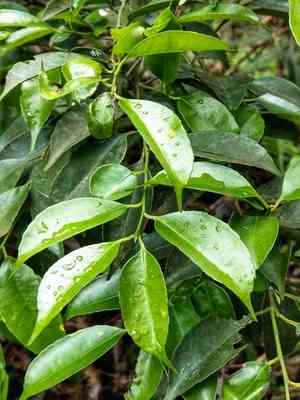
Burford, a resilient shrub characterized by its lustrous evergreen foliage and crimson berries, thrives with judicious trimming. The optimal time for this activity is during the winter season, which fosters robust spring development and preserves its compact, spherical form. Remove older limbs and shorten recent growth to stimulate a fuller appearance. Trimming also boosts the yield of berries, which serve as decorative elements of burford. Consistent pruning guarantees burford's continued health and visual appeal in garden settings.
Advantages of Trimming Burford
Advantages of Trimming Burford
Trimming burford promotes robust new growth and helps maintain its desired shape. Precise cuts enhance light penetration and air circulation, contributing to a healthier and more attractive plant.
Optimal Time for Trimming Burford
Optimal Time for Trimming Burford
Trimming burford during winter is ideal as the plant is typically dormant. This period of inactivity minimizes stress from pruning, allowing for better recovery before spring's vigorous growth. Winter pruning also offers a clearer view of the plant's structure due to reduced foliage, enabling more accurate cuts. Furthermore, removing dead or diseased branches at this time reduces the risk of pest and disease issues, fostering healthier growth in the subsequent season.
Tools Required for Trimming Burford
Bypass Pruners
Perfect for making clean cuts on burford's smaller branches, encouraging healthy new growth. They offer precision, vital for shaping the plant without causing damage.
Lopping Shears
Suitable for cutting through thicker burford branches that bypass pruners cannot handle. Their long handles provide leverage, making pruning less strenuous.
Hedge Shears
Best for trimming and shaping burford's dense foliage. These allow for quick, even cuts across multiple small branches simultaneously, resulting in a tidy appearance.
Hand Saw
Essential for removing mature, woody burford branches too thick for loppers. A hand saw with fine teeth ensures cleaner cuts that heal more quickly.
Pruning Saw
For larger-scale burford pruning tasks, a pruning saw with a curved blade facilitates easier access and effective cutting within the plant's interior.
How to Trim Burford
Sanitize tools
Before beginning, ensure all pruning tools are clean and sharp to prevent disease transmission and achieve precise cuts.
Inspect
Examine burford closely to identify dead and diseased branches that require removal. Look for discolored, withered, or fungus-affected branches.
Cut diseased
Using appropriate tools, carefully cut diseased burford branches. Make cuts at a 45-degree angle, just above a healthy bud or branching point to promote healing and new growth.
Remove dead
Remove dead burford branches by cutting where they meet healthy tissue. Avoid harming healthy branches and ensure clean cuts to prevent unnecessary stress to burford.
Discard
Properly dispose of dead and diseased branches to prevent any potential spread of disease to burford or other nearby plants.
Common Trimming Errors with Burford
Excessive pruning
Removing too much foliage at once can stress burford, potentially leading to poor growth and reduced flowering. It's important not to remove more than one-third of the plant's total volume per pruning session.
Dull instruments
Using dull tools can cause jagged cuts that are harmful to burford. These can lead to disease and decay. Always use sharp, clean pruning shears or loppers for clean cuts.
Flush cuts
Making flush cuts against the trunk removes the branch collar, which can harm burford by preventing proper healing. Instead, cut just outside the collar to promote faster wound closure.
Ignoring shape
Disregarding burford's natural shape when pruning can result in an unattractive and unbalanced appearance. It's crucial to maintain the inherent form for optimal aesthetic results.
Shearing
Shearing burford with hedge trimmers can create a thick outer layer of foliage, blocking light and air from reaching inner branches, potentially causing dieback and disease.
General Trimming Advice for Burford
Targeted pruning
Focus on removing individual branches, allowing burford to retain its natural shape while only removing necessary growth.
Dead wood removal
Regularly remove dead, diseased, or damaged branches to promote burford's overall health and prevent disease spread.
Thin congested areas
Thinning crowded areas of burford improves air circulation and light penetration, essential for the plant's health and disease prevention.
Stimulate new growth
Prune burford to encourage new shoots, which often results in healthier foliage and more vigorous flowering.
Tool maintenance
Keep pruning tools well-maintained and clean. Disinfect them before and after use to prevent transferring pathogens to burford.



