How to Prune Peach-leaf holly?
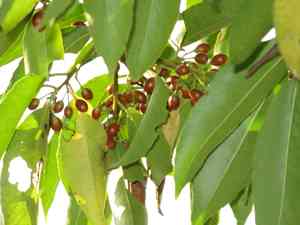
This wide-leaved evergreen, featuring lustrous, deep green foliage, flourishes with targeted trimming to preserve its form and foster robust development. For peach-leaf holly, remove any lifeless or compromised limbs, and reduce dense sections to improve light access and air movement. The most effective pruning takes place in winter while the plant is inactive, thereby reducing strain and the leakage of sap. This period also offers the advantage of an unobstructed perspective of the plant's framework for accurate cuts. Pruning stimulates strong spring growth and sustains its aesthetic charm.
Advantages of Trimming peach-leaf holly
Advantages of Trimming peach-leaf holly
Trimming peach-leaf holly promotes vigorous development and maintains its desired form. Eliminating dead or overgrown limbs enhances air circulation, lowering disease risk and stimulating robust new foliage. Strategic cuts also shape peach-leaf holly, ensuring visual appeal and manageable dimensions.
Optimal Period for Pruning peach-leaf holly
Optimal Period for Pruning peach-leaf holly
Late winter is considered the prime time for pruning peach-leaf holly as the plant is typically dormant. Pruning during this phase minimizes stress on peach-leaf holly, as less energy is directed towards growth. Furthermore, the absence of leaves offers a clear view of the structure, allowing for more precise cuts to shape the plant and remove dead or diseased branches. Pruning before the start of spring growth enables wounds to heal rapidly, reducing the threat of disease and pest infestation. Moreover, trimming ahead of the spring season ensures that flowering or fruiting is not negatively impacted, as peach-leaf holly typically produce flowers on new growth.
Essential Tools for Pruning peach-leaf holly
Hand pruners
Perfect for snipping smaller branches and leaves of peach-leaf holly, ensuring clean cuts for healthy regeneration.
Lopping shears
Suitable for severing thicker branches of peach-leaf holly that hand pruners cannot manage, providing longer handles for leverage.
Hedge shears
Effective for shaping peach-leaf holly into formal hedges or specific forms, yielding uniform and aesthetically pleasing outcomes.
Pruning saw
Required for removing larger limbs from peach-leaf holly that are too substantial for loppers, enabling precise cuts without harming the plant.
Pole pruner
Beneficial for reaching higher branches of peach-leaf holly without needing a ladder, enhancing safety and efficiency during the pruning process.
How to Prune peach-leaf holly
Sanitize Tools
Sterilize all pruning implements with a bleach and water solution or rubbing alcohol to prevent disease spread when trimming peach-leaf holly.
Identify
Inspect peach-leaf holly for dead or diseased branches, indicated by discolored, withered, or brittle wood and any signs of plant illness such as unusual coloration or growths.
Remove Dead Branches
Using sharp, sterilized pruning shears, make clean cuts to remove dead branches at their origin point or back to the main stem, avoiding stubs which can be entry points for pests or diseases.
Trim Diseased Branches
Carefully prune away diseased branches on peach-leaf holly, cutting well below affected areas to ensure all diseased tissue is eliminated. Dispose of diseased material immediately to prevent contamination.
Wound Care
Apply a wound sealant or pruning paint to large cuts to protect peach-leaf holly from pests and diseases, but allow smaller cuts to heal naturally without sealant.
Common Pruning Errors with peach-leaf holly
Excessive Pruning
Removing too much foliage can stress peach-leaf holly, impeding its ability to photosynthesize and grow correctly.
Incorrect Cuts
Improper cutting methods can create wounds that make peach-leaf holly vulnerable to diseases and pests.
Ignoring Shape
Disregarding the natural growth habit of peach-leaf holly can result in a less attractive shape and may hinder growth.
Unsterilized Tools
Using unsterilized tools can transmit diseases between plants or introduce infections to fresh pruning cuts on peach-leaf holly.
Tearing Limbs
Forcefully ripping or tearing branches instead of making clean cuts can create larger wounds that take longer to heal and may harm peach-leaf holly.
Neglecting Deadwood
Failing to regularly remove dead or diseased branches can lead to further decay and reduce peach-leaf holly's overall health and vigor.
General Pruning Advice for peach-leaf holly
Sharp Tools
Utilize sharp, clean pruning shears to make precise cuts on peach-leaf holly, which aids in quick healing and lessens disease risk.
Cutting Angle
Make cuts at a 45-degree angle approximately 1/4 inch above an outward-facing bud to encourage outward growth in peach-leaf holly.
Selective Thinning
Thin out dense areas of peach-leaf holly to enhance light penetration and air circulation, improving the plant's health and appearance.
Maintain Structure
Focus on preserving the natural form of peach-leaf holly when pruning by selectively removing crossing, rubbing, or awkwardly growing branches.
Healthy Growth
Promote vigorous growth in peach-leaf holly by pruning out weaker, thinning interior branches to allocate more resources to strong, healthy growth.
Healing Time
Allow time for peach-leaf holly to recover after pruning by not cutting too late in the growing season, as new growth needs time to harden before potential stressful conditions.



