How to Prune Evergreen candytuft?
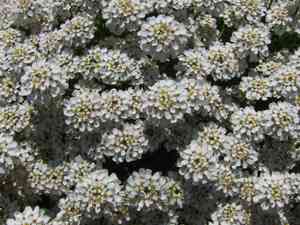
Iberis sempervirens, a resilient evergreen perennial, produces white blossoms and is valued for its minimal care requirements. Crucial trimming involves removing faded blooms to stimulate further flowering and boost general hardiness. The ideal period for pruning is following its bloom cycle, in late spring or early summer, providing ample time for fresh development prior to winter. Gentle shaping helps maintain its dense structure. Advantages of trimming include enhanced plant well-being and more abundant flowering in future periods.
What Are the Benefits of Pruning Evergreen Candytuft?
What Are the Benefits of Pruning Evergreen Candytuft?
Trimming evergreen candytuft promotes a fuller form and abundant blossoms, helping maintain its compact shape and robust development. Strategic cuts enhance light penetration and air movement, vital for the plant's health and visual appeal.
What Is the Best Time for Pruning Evergreen Candytuft?
What Is the Best Time for Pruning Evergreen Candytuft?
Trimming evergreen candytuft in spring, right after its flowering period, ensures the plant's energy is directed towards healthy development and subsequent blooms. As evergreen candytuft is an evergreen perennial, pruning at this time allows for shaping and size control without sacrificing the next season's flowers. This timing aligns with evergreen candytuft's natural growth cycle, providing ample recovery time for new foliage and flower buds for the following year. Pruning during this period also supports plant health by removing dead or diseased parts, crucial for preventing pest issues and illnesses. Avoid pruning in late autumn or winter, as new growth may be vulnerable to frost damage.
What Tools Do I Need to Prune Evergreen Candytuft?
Hand Pruners
Perfect for selective thinning and trimming of evergreen candytuft. Bypass pruners are recommended for clean cuts that don't harm stems.
Pruning Snips
Suitable for precise cutting of smaller or delicate evergreen candytuft stems, ensuring accuracy without undue plant stress.
Gloves
Protects hands from scratches and ensures a secure grip on tools while pruning evergreen candytuft.
Clean Cloth
Used to wipe blades clean after use to prevent disease transmission between plants when cutting evergreen candytuft.
Disinfectant
To sanitize tools before and after pruning evergreen candytuft, preventing the spread of any pathogens.
How to Prune Evergreen Candytuft
Step1: Identify pruning targets post-flowering
Thoroughly inspect evergreen candytuft to find spent flowers, unhealthy leaves, and non-blooming stems needing removal. Pruning is best done after flowering in late spring or early summer.
Step2: Sterilize tools to prevent disease spread
Sanitize pruning tools before use to prevent disease transmission. Wipe blades with a cloth soaked in isopropyl alcohol.
Step3: Cut dead flowers to healthy growth point
Start with dead flowers. Using sharp, clean pruning shears, snip off spent flower stalks at their base, just above healthy leaves or a new growth point. Be careful not to cut into the main woody stems.
Step4: Remove diseased foliage and dispose properly
Next, remove any diseased leaves. Cut the leaf stem near its base, avoiding healthy sections. Properly dispose of diseased material to prevent contaminating compost or garden areas.
Step5: Trim non-flowering stems for compact growth
Identify non-flowering stems that can be trimmed to encourage healthy growth and a compact shape. Look for older, woody stems that haven't produced flowers.
Step6: Prune for bushier plant and more flowers
Cut back non-flowering stems by one-third of their length, to a healthy leaf or lateral shoot. This encourages evergreen candytuft to become bushier and produce more flowering stems.
Step7: Shape plant, avoid excessive size reduction
After pruning, lightly shape evergreen candytuft to maintain its mounded form. Do not remove more than one-third of the plant's total size in a single pruning session.
Step8: Clean up debris to thwart pests and disease
Clear all cutting debris around the plant to deter pests and diseases. Rake the area and properly dispose of plant material.
Step9: Water deeply after pruning to reduce stress
Water evergreen candytuft thoroughly after pruning to help reduce plant stress and encourage new growth.
Step10: Regularly inspect and prune as needed
Monitor evergreen candytuft for new growth and any additional dead or diseased material that may require future pruning. Regular inspection helps maintain plant health and vigor.
Post-Pruning Care for Evergreen Candytuft
Post-Pruning Care for Evergreen Candytuft
Immediately after trimming evergreen candytuft, ensure it receives adequate water to alleviate stress. Maintain an environment with partial to full sun exposure, consistent temperatures, and moderate humidity to aid recovery. Fertilize with a balanced, slow-release formula to promote vigorous regrowth. Regularly check evergreen candytuft for signs of wilting or disease, addressing any issues promptly with appropriate plant care solutions. Timely intervention is crucial for evergreen candytuft's post-pruning recovery and development.
Common Pruning Mistakes with Evergreen Candytuft
Incorrect Timing Post-Bloom Pruning
Trimming evergreen candytuft immediately after it blooms, which can lead to the removal of newly forming buds, thus hindering the plant's full floral display.
Damaging Cuts into Woody Old Growth
Cutting into the mature, woody growth that no longer produces new shoots. This can harm the plant and may not stimulate desired new growth.
Overly Aggressive Pruning Stress
Pruning too severely, removing more than one-third of the plant at once, can stress evergreen candytuft and result in poor flowering or even plant demise.
Disease Spread Through Unclean Tools
Failing to sterilize pruning tools before use on evergreen candytuft, which can transmit diseases to the plant from infected material.
Common Pruning Tips for Evergreen Candytuft
Light Shaping Pruning for Dense Growth
Perform light pruning to shape evergreen candytuft and maintain its dense, mounding habit, removing only the stem tips.
Deadheading for Promoting Second Blooms
Remove spent flowers to encourage a second bloom and prevent evergreen candytuft from expending energy on seed production.
Precise Cuts with Sharp Shears for Health
Use clean, sharp pruning shears to make accurate cuts, which helps evergreen candytuft recover faster and reduces disease risk.
Thinning for Better Airflow and Sunlight
Thin out crowded areas to improve air circulation and sunlight penetration, essential for the overall health and vitality of evergreen candytuft.



