How to Prune Hypoestes purpurea?
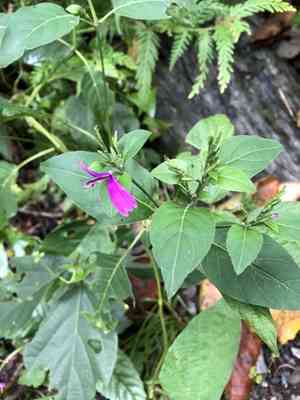
Recognized for its vivid leaves, hypoestes purpurea thrives with consistent trimming to encourage denser development and preserve its brilliant look. Perform light pruning in spring and more substantial trimming in summer or early autumn to eliminate elongated stems and discolored foliage. This revitalization stimulates fresh growth and enhances air movement. Trimming outside these periods may disrupt its natural rhythm, making proper timing essential. Regular pruning additionally prevents excessive growth and supports the plant's well-being.
What Are the Benefits of Pruning Hypoestes Purpurea?
What Are the Benefits of Pruning Hypoestes Purpurea?
Trimming hypoestes purpurea promotes robust development and helps preserve its desired form. Regular cutting eliminates old and dead foliage, fostering new, healthy shoots. This practice can also manage the plant's dimensions, ensuring it stays appealing and well-proportioned in its environment.
What Is the Best Time for Pruning Hypoestes Purpurea?
What Is the Best Time for Pruning Hypoestes Purpurea?
Pruning hypoestes purpurea in Spring coincides with the start of its active growth period, allowing the plant to quickly recover from cuts and stimulating vigorous new growth. Early Summer pruning is ideal as it aids in shaping the plant and maintaining its preferred size while still providing time for recuperation before peak heat. Late Fall pruning is advantageous for removing any dead or diseased foliage post-growing season, preparing hypoestes purpurea for dormancy, and preventing potential issues that might arise during winter. These chosen periods ensure the health and vitality of hypoestes purpurea, while avoiding stress during extreme temperatures or growth slowdowns.
What Tools Do I Need to Prune Hypoestes Purpurea?
Bypass Pruners
Hypoestes purpurea is a small plant with delicate stems, meaning that clean, precise cuts are vital to prevent plant damage. Bypass pruners or hand shears are perfect as they operate like scissors, with two sharp blades passing each other to create a clean cut.
Micro-Tip Snips
For accurate and gentle shaping or deadheading of hypoestes purpurea, micro-tip snips or precision pruners are useful. They offer greater control and are excellent for reaching into dense foliage without harming surrounding leaves and stems.
Soft Grip Shears
If hypoestes purpurea is cultivated in large quantities or as a hedge, soft grip shears can be utilized for shaping broader areas. The soft grip feature will lessen hand fatigue during extensive pruning.
How to Prune Hypoestes Purpurea
Remove diseased leaves
Identify and eliminate any leaves on hypoestes purpurea that exhibit signs of illness. Use sterilized pruning shears to carefully sever the leaf stem where it connects to the main stem, without harming healthy tissue.
Remove withered leaves
Locate all shriveled or discolored leaves on hypoestes purpurea. Snip them off cleanly at their base to encourage healthy new growth and improve air circulation.
Cut dead branches
Examine hypoestes purpurea for dead branches, which will feel brittle and appear lifeless. Cut these branches back to where they meet a live stem or trunk, making a clean angled cut to promote healing and minimize water accumulation.
Prune diseased branches
Inspect hypoestes purpurea branches for any indications of disease, such as unusual swelling or discoloration. Trim these branches back to healthy tissue, ensuring cuts are made at a slight angle away from the remaining healthy parts.
Shape plant
After removing all unhealthy sections, gently shape hypoestes purpurea by trimming overgrown branches to maintain an aesthetically pleasing form and support balanced growth. Cuts should be made just above leaf nodes to stimulate new branch development.
Common Pruning Mistakes with Hypoestes Purpurea
Over-Pruning
Removing too much foliage at once can stress hypoestes purpurea, potentially leading to reduced vigor and sparse growth. It is important to prune no more than one-third of the plant at a time.
Improper Cut Locations
Cutting too far from a node can leave a stub that risks disease and pests. Cuts should be made close to a node where the stem is still alive and able to heal.
Using Dull Tools
Dull pruning tools may crush stems and leaves of hypoestes purpurea, leading to damaged tissue that can invite disease. Always use sharp and clean pruning equipment.
Neglecting Plant Shape
Pruning without considering the natural shape of hypoestes purpurea can result in an unattractive plant. Aim to maintain a pleasing shape by cutting back to lateral branches or leaves that follow the plant's natural contour.
Ignoring Dead or Diseased Growth
Failing to remove dead, diseased, or damaged growth can inhibit hypoestes purpurea's health and appearance. Regularly inspect and remove such growth to maintain a healthy plant.
Common Pruning Tips for Hypoestes Purpurea
Selective Pruning
Instead of shearing, selectively cut back branches of hypoestes purpurea to just above a set of leaves or a node. This encourages bushier growth and maintains a natural look.
Encourage Flowering
Pinch off the tips of young plants to stimulate branching, which results in more flowers. When hypoestes purpurea begins to bloom, deadhead spent flowers to encourage more blooms.
Timing Cuts for Growth
Although information on optimal seasons is excluded, it's crucial to time your pruning to facilitate recovery and growth for hypoestes purpurea. Make cuts during phases when the plant can best handle stress and redirect energy to new growth.
Disinfect Pruning Tools
Prevent the spread of disease by cleaning and disinfecting tools before and after use on hypoestes purpurea. Use a solution of bleach or alcohol to wipe down blades.
Incorporate Mulching
After pruning, apply a layer of organic mulch around hypoestes purpurea to help the soil retain moisture, reduce weed competition, and provide nutrients as it decompresses. Leave some space around the stem to avoid rot.



