How to Prune Shrubby St. John's wort?
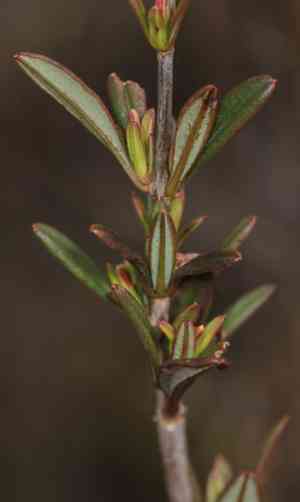
This resilient, leaf-shedding shrub, recognized for its abundant yellow blossoms and therapeutic attributes, flourishes with appropriate pruning. For shrubby St. John's wort, trim to sculpt and foster a denser habit following its flowering period in late spring or early summer. Eliminate any deceased or ailing branches, and reduce congested sections to improve air movement. Regular trimming revitalizes development and preserves an appealing structure, boosting shrubby St. John's wort's aesthetic and medicinal benefits. Conduct annual pruning for peak vitality and visual appeal.
What Are the Benefits of Pruning Shrubby St. John's Wort?
What Are the Benefits of Pruning Shrubby St. John's Wort?
Trimming shrubby St. John's wort promotes abundant flowering and deters pests and diseases, resulting in a healthier and more attractive plant.
What Is the Best Time for Pruning Shrubby St. John's Wort?
What Is the Best Time for Pruning Shrubby St. John's Wort?
These periods are ideal for trimming shrubby St. John's wort as they align with the plant's natural growth cycle, occurring after frost danger has passed and before its active growth phase. Pruning in late spring allows for the removal of winter-damaged branches and supports vigorous new growth. Early summer pruning is perfect because shrubby St. John's wort has just finished its flowering, and trimming then will encourage new buds for the next season without significantly impacting current growth. This timing ensures optimal plant health and maximizes its blooming potential.
What Tools Do I Need to Prune Shrubby St. John's Wort?
Hand Pruners
For selective thinning and shaping of shrubby St. John's wort, utilize hand pruners, also known as secateurs, which enable precise cuts on smaller stems and branches typically under 1/2 inches in diameter. Ensuring they are bypass pruners will help make clean cuts that promote faster healing.
Loppers
Loppers, especially bypass loppers, are suitable for cutting through thicker branches of shrubby St. John's wort up to 1 1/2 inches in diameter. Their extended handles provide the necessary leverage to cut through denser wood while minimizing plant damage.
Pruning Saw
For branches exceeding 1 1/2 inches in diameter, a pruning saw is essential for making clean and efficient cuts without harming shrubby St. John's wort. A folding saw or a bow saw can be employed, depending on the branch thickness and accessibility.
Gloves
Wear sturdy gloves to shield hands from thorns and rough bark while trimming shrubby St. John's wort. Protection is crucial for ensuring safety during the pruning process.
Cleaning Solution
Sanitize all pruning tools before and after use with a mixture of 1 part bleach to 9 parts water to prevent disease spread and maintain the health of shrubby St. John's wort.
How to Prune Shrubby St. John's Wort
Step1: Optimal Pruning Time Selection
Choose the appropriate time for trimming shrubby St. John's wort, generally late winter or early spring before new growth commences, to minimize plant stress and reduce the risk of disease or pest infestation.
Step2: Sterilization of Pruning Tools
Sterilize pruning shears or scissors with a solution of 1 part bleach to 9 parts water to prevent the spread of diseases between plants.
Step3: Cutting Dead Stems at an Angle
Begin pruning by removing any dead stems. Make cuts at a 45-degree angle, approximately 1/4 inch above a healthy bud or leaf cluster to encourage new growth.
Step4: Weak Twig Removal for Better Growth
Identify weak twigs, which are typically thinner and may not have bloomed the previous season. Trim these twigs back to their origin point or to a strong outward-facing bud to enhance air circulation and light penetration.
Step5: Damaged Branch Excision
Inspect shrubby St. John's wort for damaged branches caused by weather, pests, or disease. Carefully remove these branches by cutting just beyond the break or diseased area, ensuring you cut back to healthy wood.
Step6: Desired Plant Shaping
Shape shrubby St. John's wort as desired after removing dead, weak, and damaged parts. To maintain a natural appearance, make selective cuts to reduce the shrub's size without altering its overall form.
Step7: Old Stem Thinning for Rejuvenation
Thin out some older stems to rejuvenate shrubby St. John's wort. This encourages new stem growth from the base, resulting in a healthier and more vigorous plant. Cut selected older stems down to the shrub's base.
Step8: Post-Pruning Clean-up
Clear all cuttings from the ground to prevent the spread of potential diseases and to maintain a tidy garden area around shrubby St. John's wort.
Step9: Post-Pruning Watering and Mulching
After trimming, water shrubby St. John's wort thoroughly and consider applying a layer of mulch around the base to help retain moisture and provide nutrients as the plant recovers and begins to grow again.
Step10: Monitoring for New Growth
Monitor shrubby St. John's wort after pruning for signs of new growth and ensure it is well-cared for with regular watering, especially during dry periods, to support its recovery and development.
Post-Pruning Care for Shrubby St. John's Wort
Post-Pruning Care for Shrubby St. John's Wort
Immediately after trimming shrubby St. John's wort, water the plant thoroughly to reduce stress. Maintain light exposure that mimics shrubby St. John's wort's natural habitat, partial to full sun, ensuring pruned areas are not overly shaded. Keep humidity consistent and avoid extreme temperature fluctuations. Fertilize shrubby St. John's wort with a balanced all-purpose feed to promote healing and growth. Routinely check for wilted leaves or discolored stems, which could indicate stress or infection. If such signs appear, adjust care conditions and consult a plant disease expert if necessary.
Common Pruning Mistakes with Shrubby St. John's Wort
Over-pruning Shock
Trimming too much at once, which can shock shrubby St. John's wort and lead to poor growth or plant stress.
Using Poor Pruning Tools
Employing dull or dirty pruning tools, which can damage branches and potentially introduce disease to shrubby St. John's wort.
Ignoring Plant's Natural Shape
Pruning indiscriminately without considering the natural form of shrubby St. John's wort, which can result in an undesirable growth pattern and reduced flowering.
Over-pruning Old Wood and Reducing Blooms
Removing too much old wood, where shrubby St. John's wort often produces the most flowers, potentially diminishing the plant's blooming potential.
Not Removing Dead or Diseased Wood
Failing to remove dead, diseased, or damaged wood, which can impede healthy growth and spread disease.
Common Pruning Tips for Shrubby St. John's Wort
Clean Cuts with Sharp Shears
Use sharp, clean pruning shears to make precise cuts that shrubby St. John's wort can heal from more efficiently, reducing disease risk.
Pruning for Natural Growth and Flowering
Trim to maintain the natural shape of shrubby St. John's wort, removing only what is necessary to encourage healthy growth and flowering.
Thinning for Better Air Circulation
Focus on thinning out crowded areas to improve air circulation, which can reduce the risk of disease in shrubby St. John's wort.
Pruning to Healthy Buds for Structure
Cut back to a set of healthy buds or lateral branches to guide new growth and maintain shrubby St. John's wort's overall structure.
Gradual Reduction to Avoid Shock
When reducing the height or spread of shrubby St. John's wort, do so gradually over several seasons to avoid shocking the plant.



