How to Prune Native frangipani?
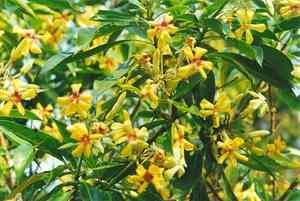
For Hymenosporum flavum, a rapidly developing evergreen recognized for its aromatic flowers and dense structure, essential trimming methods involve reducing congested limbs and shortening elongated stems to foster a more compact appearance. The most effective pruning should take place in winter, after the blooming period, to prevent the removal of flower buds. This schedule enables Hymenosporum flavum to recuperate during its spring growth phase. Consistent trimming preserves its form, encourages robust vitality, and stimulates prolific blossoming.
What Are the Benefits of Pruning Native Frangipani?
What Are the Benefits of Pruning Native Frangipani?
Trimming native frangipani promotes robust development and maintains its desired form. Regular cutting back fosters a dense structure, ideal for vitality and visual appeal.
What Is the Best Time for Pruning Native Frangipani?
What Is the Best Time for Pruning Native Frangipani?
Trimming native frangipani from late winter to early spring is optimal, as this period typically precedes the active growth phase. Pruning at this time allows gardeners to shape the plant and remove any dead or diseased wood without disrupting its natural growth cycle. This also prevents cutting off flower buds that would produce native frangipani's characteristic blooms in spring and summer. Furthermore, pruning when the plant is dormant minimizes stress and encourages quicker recovery, contributing to the plant's overall health and vigor.
What Tools Do I Need to Prune Native Frangipani?
Hand Pruners
These are crucial for making precise cuts on native frangipani's smaller branches. Bypass pruners, specifically, are recommended for their clean cuts, vital for the plantâs health.
Lopping Shears
For branches too thick for hand pruners, lopping shears offer the necessary leverage to cut through native frangipani's medium-sized branches.
Pruning Saw
A pruning saw is essential for native frangipani when removing thicker branches. Its sharp teeth can cut through wood without harming the rest of the plant.
Pole Pruner
For inaccessible higher branches, a pole pruner is beneficial. This allows you to prune native frangipani without ladders, enhancing gardener safety.
Hedge Shears
If shaping native frangipani into a hedge or maintaining a formal shape, hedge shears provide a more uniform cut across the foliage.
How to Prune Native Frangipani
Clean tools
Before pruning native frangipani, ensure all tools are clean and sharp to prevent disease spread and make clean cuts, which heal faster.
Identify deads
Locate and remove dead branches from native frangipani by cutting them at their base without harming the main trunk or healthy tissue.
Remove diseased
Inspect native frangipani for any signs of disease in branches, and carefully remove affected branches by cutting at least several inches into healthy wood to ensure all diseased parts are eliminated.
Cut angle
Make cuts on the remaining branches at a 45-degree angle to promote proper healing and water runoff, carefully avoiding damage to the branch collar.
Dispose
Discard all removed dead and diseased material away from native frangipani to prevent potential pest or disease spread to healthy parts of the plant or nearby plants.
Common Pruning Mistakes with Native Frangipani
Over-pruning
Removing excessive foliage can stress native frangipani, leading to poor growth or reduced flowering capacity.
Improper cuts
Pruning with dull tools or making jagged cuts can create wounds on native frangipani that are more vulnerable to disease and pests.
Pruning for shape only
Focusing solely on aesthetics without considering native frangipani's health may result in excessive removal of healthy branches vital for the plant's vigor.
Neglecting deadwood
Failing to remove dead or dying branches can lead to infestations and disease, weakening the overall health of native frangipani.
Common Pruning Tips for Native Frangipani
Sharp tools
Utilize clean, sharp pruning tools to make precise cuts, which help native frangipani heal quicker and reduce disease risk.
Selective thinning
Prune selectively to thin out crowded branches, improving air circulation and light penetration, fostering healthy growth in native frangipani.
Cutting angle
Make cuts at a 45-degree angle away from the bud to encourage water runoff and prevent disease in native frangipani.
Gradual shaping
Shape native frangipani progressively over several seasons instead of drastically in one go to maintain plant health and avoid shock.



