How to Prune Frogbit?
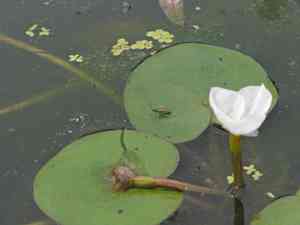
Frogbit, a buoyant aquatic flora, needs infrequent trimming to eliminate deceased or discolored leaves and preserve its lively look. Snip back excessively large or deteriorating leaves near their base in spring and summer to foster robust development and avert congestion. This trimming also aids in light access and water movement, which benefits frogbit's general well-being and the aquatic environment. Always sanitize instruments to prevent pathogen transmission.
What Are the Benefits of Pruning Frogbit?
What Are the Benefits of Pruning Frogbit?
Trimming frogbit encourages robust development by reallocating energy to strong shoots and manages the plant's dimensions, ensuring it fits its designated area, contributing to a neat appearance.
What Is the Best Time for Pruning Frogbit?
What Is the Best Time for Pruning Frogbit?
Trimming frogbit in Spring and Early Summer aligns with its active growth phase, typically when water temperatures rise and daylight hours increase. During this period, frogbit experiences a surge in growth, making it an appropriate time to prune or trim without causing undue stress to the plant. Pruning in these seasons also helps to maintain the desired size and shape of frogbit, prevent overcrowding, and ensure adequate light and nutrients are available to all parts of the plant. Moreover, by removing spent or overgrown parts before the peak of Summer, gardeners can prevent frogbit from hampering the growth of other aquatic plants and can promote healthier and more aesthetically pleasing growth patterns.
What Tools Do I Need to Prune Frogbit?
Scissors or Hand Pruners
For the delicate nature of frogbit, sharp scissors or hand pruners are ideal. These tools provide precise control and clean cuts without harming the plant. Since frogbit is a small water plant, the fine blades allow for accurate removal of dead or overgrown foliage without damaging healthy parts.
Aquatic Plant Trimming Scissors
As frogbit is an aquatic plant, long-handled aquatic plant trimming scissors are suitable. These specialized scissors can comfortably reach into the water, reducing the need to remove the plant from its aquatic environment for pruning.
Fine-Tipped Forceps
Fine-tipped forceps are useful for removing dead or decaying material from frogbit without disturbing surrounding plants or the root system. They are particularly helpful for detailed work and can assist in thinning dense growth areas.
How to Prune Frogbit
Cleaning tools
Before beginning, thoroughly clean and sanitize pruning tools to prevent the spread of diseases to frogbit.
Identification
Carefully inspect frogbit to identify diseased, withered leaves, and unhealthy stems that require removal.
Trimming leaves
Using sharp scissors or shears, carefully remove the diseased and withered leaves from frogbit at the base of the leaf stem, without harming healthy sections.
Trimming stems
Cut back diseased stems on frogbit just above a node or a healthy offshoot, ensuring a clean cut to encourage healthy regrowth.
Disposal
Dispose of the trimmed parts of frogbit promptly and properly to prevent any disease spread in the water or to other plants.
Common Pruning Mistakes with Frogbit
Over-pruning
New gardeners might believe that aggressive pruning benefits frogbit, thinking it will stimulate new growth. However, excessive pruning can stress the plant, leading to poor performance and reduced vitality.
Pruning live tissue
A frequent error is cutting into the live, healthy tissue of frogbit during pruning. This can unnecessarily harm the plant and make it more vulnerable to diseases and pests.
Removing too many flowers
Frogbit produces blooms essential for its beauty and health. Gardeners may accidentally remove too many flower buds, thus affecting the plant's ability to reproduce and diminishing the seasonal display of blooms.
Ignoring plant health
Gardeners might overlook signs of disease or pest infestations in frogbit when pruning. Removing diseased or infested parts is crucial to prevent spread and maintain plant health.
Using dirty tools
Failing to clean and disinfect pruning tools can spread diseases from infected plants to healthy areas of frogbit or to other plants.
Common Pruning Tips for Frogbit
Selective removal
Carefully remove only the dead or dying foliage and spent flowers from frogbit to prevent overcrowding and allow light and air to reach all parts of the plant, promoting overall health.
Clean cuts
Making clean cuts at the base of unwanted foliage without tearing or damaging the remaining parts of frogbit will aid in the plant's quick recovery.
Regular inspection
Regularly inspect frogbit for yellowing leaves, dead foliage, or overcrowding, and prune as needed to maintain plant vigor and aesthetic appeal.
Use of appropriate tools
Utilize sharp and appropriately sized pruning tools for frogbit to ensure precise cuts and reduce the chance of disease transmission.
Protective growth
Leave a sufficient amount of foliage on frogbit to protect the plant, thus ensuring its capability to photosynthesize and continue its growth cycle effectively.



