How to Prune Goldenseal?
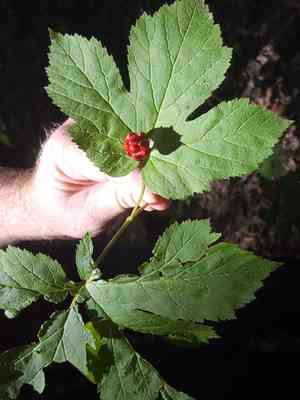
Originating from eastern North America, goldenseal is a perennial plant valued for its therapeutic rhizomes. In spring, remove any withered or compromised leaves to foster robust development. Throughout summer, snip off the flower stems once they have bloomed to stimulate root expansion. Refrain from aggressive trimming, as goldenseal exhibits a gradual growth rate. Strategic cutting improves air movement and lowers the likelihood of illness, which is crucial for preserving the plant's strength. Execute these procedures with sanitized, keen instruments to facilitate rapid recuperation.
What Are the Benefits of Pruning Goldenseal?
What Are the Benefits of Pruning Goldenseal?
Trimming goldenseal promotes robust development and helps maintain its desired form, which is crucial for optimal plant health and visual appeal.
What Is the Best Time for Pruning Goldenseal?
What Is the Best Time for Pruning Goldenseal?
Spring is an ideal time for trimming goldenseal as the plant emerges from dormancy and begins its growth cycle, allowing for healthy regrowth and recovery from cuts. It's also easier to discern the plant's structure before full leaf development. Early Summer pruning, soon after the initial growth spurt, enables gardeners to shape goldenseal and manage its size without stressing the plant. This timing also prevents disturbing the plant during autumn and winter when it prepares for dormancy and is more vulnerable to pruning damage. Furthermore, avoiding late Summer or early Fall pruning ensures goldenseal doesn't produce new growth that may lack sufficient time to harden off before the first frost, reducing the risk of cold damage.
What Tools Do I Need to Prune Goldenseal?
Hand Pruners
Suitable for cutting through the relatively soft stems of goldenseal. Choose bypass pruners for clean cuts that promote better healing.
Pruning Saw
For older, woodier stems that hand pruners cannot cleanly cut through, a pruning saw provides the necessary cutting power without damaging the plant.
Garden Scissors
Ideal for trimming softer foliage or for deadheading. Delicate work on goldenseal benefits from the precision of garden scissors.
How to Prune Goldenseal
Clean tools
Before pruning goldenseal, sterilize pruning tools using alcohol or a 10% bleach solution to prevent disease spread.
Withered leaves
Carefully remove any withered leaves from goldenseal by snipping them at the base, ensuring not to damage healthy tissue.
Diseased leaves
Identify and trim off diseased leaves from goldenseal. Cut the leaf stem close to the base avoiding contact with other parts to prevent contaminating healthy areas.
Diseased stems
For diseased stems on goldenseal, prune back to healthy tissue. Make cuts at a 45-degree angle to promote healing and prevent water accumulation.
Disposal
Dispose of all removed diseased plant material away from goldenseal and do not compost, to reduce the risk of disease spread.
Common Pruning Mistakes with Goldenseal
Overpruning
Removing too much of goldenseal's growth can lead to stress and reduce the plant's vigor, potentially causing disease susceptibility.
Imprecise cuts
Making imprecise or ragged cuts can damage goldenseal, allowing entry points for pests and diseases and impeding healthy regrowth.
Pruning live stems only
Focusing on removing only live stems and neglecting dead or diseased material can compromise goldenseal's overall health and vitality.
Ignoring plant shape
Not considering the natural shape and growth habit of goldenseal when pruning can result in an unnatural appearance and impede proper plant development.
Using dirty tools
Using tools that are not properly cleaned and sanitized can introduce pathogens to goldenseal, which can lead to infections and disease spread.
Common Pruning Tips for Goldenseal
Sharp tools
Always use sharp, clean pruning shears or knives to ensure clean cuts that heal quickly, minimizing stress to goldenseal.
Identify material
Properly identify dead, diseased, or overgrown stems on goldenseal before making any cuts, to avoid removing healthy growth unnecessarily.
Angled cuts
Make angled cuts on goldenseal's stems to prevent water accumulation that can lead to rot and fungal infections.
Judicious cuts
Prune goldenseal judiciously, aiming to remove only what is necessary for plant health and desired shape to avoid overpruning and allowing the plant to recover more quickly.
Post-pruning care
After pruning goldenseal, provide appropriate care such as watering and mulching to support recovery and encourage robust new growth.



