How to Prune Oakleaf hydrangea?
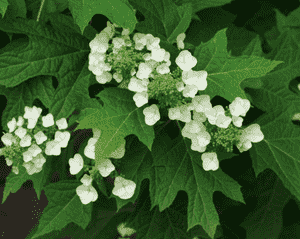
A deciduous woody plant recognized for its foliage resembling oak leaves and conical flower clusters, oakleaf hydrangea flourishes with judicious trimming. Eliminate deceased or intersecting branches and lightly sculpt to foster a robust framework; execute this in late winter or early spring to avoid severing the forthcoming blossoms. This variety flowers on mature stems, rendering precise timing essential. Pruning improves air circulation, light access, and general well-being, stimulating robust development and abundant floral displays.
What Are the Benefits of Pruning Oakleaf Hydrangea?
What Are the Benefits of Pruning Oakleaf Hydrangea?
Trimming oakleaf hydrangea promotes larger, more abundant blooms and robust development, ensuring the plant remains visually appealing and well-structured. This practice is vital for maintaining a desired form and size.
What Is the Best Time for Pruning Oakleaf Hydrangea?
What Is the Best Time for Pruning Oakleaf Hydrangea?
Late winter and early spring are considered the ideal times for trimming oakleaf hydrangea because the plant is still dormant, yet the risk of severe weather that could harm fresh cuts is decreasing. Pruning during this period encourages vigorous new growth and prevents the removal of developing flower buds, which form on old wood and will blossom in spring and summer. Proper timing helps preserve the plant's shape, stimulates flowering, and contributes to the overall health of oakleaf hydrangea.
What Tools Do I Need to Prune Oakleaf Hydrangea?
Hand Pruners
For most basic trimming tasks, hand pruners are the primary implement. They are perfect for making clean cuts on branches up to approximately 1/2 inch in diameter. For oakleaf hydrangea, this tool allows for selective removal of spent flowers and thinning of smaller, congested branches.
Lopping Shears
These are larger than hand pruners and feature long handles that provide leverage to cut branches up to about 1 1/2 inches thick. Lopping shears are suitable for oakleaf hydrangea as they can easily sever larger branches without causing harm to the plant.
Pruning Saw
When dealing with oakleaf hydrangea's mature and thicker branches that loppers cannot manage, a pruning saw is essential. It is designed to cut branches exceeding 1 1/2 inches in diameter and can be used for removing old, woody stems to revitalize the plant.
Gardening Gloves
Though not a cutting tool, gloves are crucial for safeguarding hands from scratches and ensuring a firm grip on pruning tools when working with oakleaf hydrangea.
Sharpening Tool
Maintaining the sharpness of cutting blades is vital for making clean cuts that heal rapidly. This applies to all cutting tools used on oakleaf hydrangea, minimizing the risk of disease.
How to Prune Oakleaf Hydrangea
Step1: Timing for Optimal Pruning
Determine the correct time for trimming oakleaf hydrangea, which is typically late winter or early spring before new growth commences. This timing helps you avoid cutting off flower buds that formed on old wood the previous year.
Step2: Deadhead Spent Flowers
Inspect oakleaf hydrangea for faded blooms. Using a pair of clean, sharp pruning shears, carefully snip off the spent flower heads at the base of the flower panicle, ensuring the cut is made above the first pair of large buds.
Step3: Remove Damaged or Diseased Stems
Look for damaged or diseased stems on oakleaf hydrangea. Trim these stems back to a healthy set of buds or to the plant's base, depending on the extent of damage. Make angled cuts to direct water away from the buds and reduce the risk of disease.
Step4: Rejuvenation by Thinning Old Stems
To remove old wood and encourage new growth, select a few of the oldest stems (typically thicker and with peeling bark) and prune them back to the ground. This rejuvenation pruning will help oakleaf hydrangea produce more vigorous blooms but should be done sparingly, removing only about one-third of old stems to avoid excessive stress on the plant.
Step5: Shaping the Plant
After pruning for health, shape oakleaf hydrangea if necessary. When shaping, make your cuts just above a pair of buds facing the direction you wish new growth to go. Maintain the plant's natural form, avoiding over-pruning as oakleaf hydrangea prefers a more natural and less manicured appearance.
Step6: Cleanup of Pruned Materials
Clear away all pruned material from around oakleaf hydrangea to prevent the spread of any potential diseases and to maintain a tidy garden area.
Step7: Post-Pruning Watering
Water oakleaf hydrangea after pruning to help reduce plant stress and encourage new growth.
Step8: Mulching for Soil Stabilization
Apply a layer of mulch around the base of oakleaf hydrangea to help maintain soil moisture and temperature, which is beneficial after pruning.
Step9: Monitoring Plant Health Post-Pruning
Monitor oakleaf hydrangea for any signs of distress after pruning and provide care as needed, such as adjusting watering or providing additional mulch or fertilizer to support healthy growth.
Post-Pruning Care for Oakleaf Hydrangea
Post-Pruning Care for Oakleaf Hydrangea
Immediately after pruning, oakleaf hydrangea requires thorough watering to aid recovery. Position oakleaf hydrangea in filtered light to prevent scorching while ensuring adequate air circulation. Humidity should be moderate; mist if the air is dry. Maintain a consistent temperature, avoiding extremes. Apply a balanced fertilizer to promote growth, being careful not to over-fertilize. Regularly inspect oakleaf hydrangea for wilting, discoloration, or signs of infection. If symptoms appear, isolate oakleaf hydrangea and remove affected areas, applying a fungicide if necessary.
Common Pruning Mistakes with Oakleaf Hydrangea
Overpruning reduces blooms on old wood
Excessive pruning, which can lead to a significant decrease in flowering since oakleaf hydrangea blooms on old wood.
Aggressive cutting of woody stems stunts growth
Cutting into the older, woodier stems too frequently or too aggressively, which can harm the plant and hinder new growth.
Late pruning removes developing buds
Trimming too late can result in the removal of developing flower buds, diminishing the floral display for the season.
Failure to remove unhealthy branches compromises health
Neglecting to remove dead, diseased, or crossing branches, which can lead to unhealthy plant conditions and compromise aesthetic appeal.
Uniform pruning against natural shape reduces flowers
Pruning uniformly without considering the natural shape of oakleaf hydrangea, which can lead to an unnatural appearance and potential for reduced flowering.
Common Pruning Tips for Oakleaf Hydrangea
Thinning stems for better air flow and more blooms
Primarily focus on thinning out stems to improve air circulation and light penetration, which promotes healthy growth and increases bloom potential.
Remove only dead or diseased wood for plant vigor
Remove only dead, damaged, or diseased wood, along with any spent flower clusters, to maintain the vigor of oakleaf hydrangea without compromising its natural form.
Light pruning maintains shape and flowering
Perform light pruning to shape oakleaf hydrangea or reduce its size but do so cautiously to retain its naturally attractive shape and ensure abundant flowering.
Prune to direct new growth outward
Target your pruning to encourage growth in the desired direction, making cuts just above a set of healthy buds to direct new growth outward and maintain an appealing form.
Use sharp, clean tools for less stress on plants
Ensure your pruning tools are sharp and clean to make precise cuts and minimize any potential stress or infection to the plant.
Gradual pruning over years for health and blooms
Spread pruning over several years if significant size reduction is needed, rather than attempting it in a single season, to protect the health and bloom capacity of oakleaf hydrangea.



