How to Prune Bigleaf hydrangea?
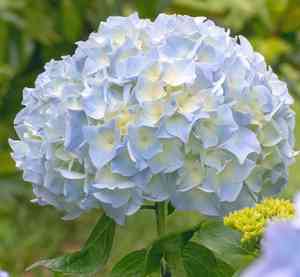
Recognized for its expansive, vivid blossoms and wide foliage, bigleaf hydrangea thrives with proper trimming. This method entails excising deceased or intersecting limbs and spent flowers. Optimally, this task is performed in late winter or early spring prior to the emergence of new shoots, guaranteeing flowering for the subsequent period. Trimming bigleaf hydrangea encourages development, aids in preserving its form, and enhances the plant's general well-being. Excessive cutting or improper scheduling can lead to a reduction in flowers, therefore accuracy is vital for this variety.
What Are the Benefits of Pruning Bigleaf Hydrangea?
What Are the Benefits of Pruning Bigleaf Hydrangea?
Trimming bigleaf hydrangea is vital for promoting abundant blooms and vigorous development. Strategic cutting back helps maintain a desired size and form, ensuring bigleaf hydrangea stays healthy, visually appealing, and more resistant to pests and diseases.
What Is the Best Time for Pruning Bigleaf Hydrangea?
What Is the Best Time for Pruning Bigleaf Hydrangea?
Late winter to early spring is the optimal period to prune bigleaf hydrangea, as the plant is still dormant but ready for new growth. Pruning at this time reduces the risk of frost damage to fresh cuts and allows the gardener to clearly see the plant's structure without leaves. It also prevents the removal of developing flower buds that form on old wood, guaranteeing a profusion of blooms in the subsequent season. This timing encourages the growth of new, robust shoots that will produce flowers, contributing to the plant's overall health and aesthetic shape.
What Tools Do I Need to Prune Bigleaf Hydrangea?
Bypass Pruners
Perfect for making clean cuts on the smaller, living stems of bigleaf hydrangea without crushing plant tissue.
Anvil Pruners
Not advised for bigleaf hydrangea as they can crush stems, causing unnecessary harm to the plant.
Loppers
Useful for reaching into the plant and cutting thicker, older branches that bypass pruners cannot manage.
Pruning Saw
Suitable for removing mature, thick branches too large for loppers, ensuring precise cuts without harming the remaining parts of bigleaf hydrangea.
Gloves
Protect hands from scratches and ensure a secure grip on tools while trimming bigleaf hydrangea.
How to Prune Bigleaf Hydrangea
Step1: Timing for Pruning
Determine the appropriate time for pruning bigleaf hydrangea, typically after the last spring frost or in early summer, as new growth begins. This ensures that flower buds, which formed the previous year, are not accidentally removed since bigleaf hydrangea blooms on old wood.
Step2: Tool Sanitization
Sanitize your pruning tools with alcohol or a 10% bleach solution to prevent disease spread. Clean pruning shears or loppers are crucial for healthy cuts.
Step3: Dead Flower Removal
Begin pruning by removing dead flowers. Carefully snip off each spent bloom just above the first set of healthy buds below the flower head. Avoid cutting too far down the stem, which could remove potential flower buds for the next season.
Step4: Old Stem Removal
Identify old woody stems that no longer produce vigorous growth or flowers. These can be removed to rejuvenate bigleaf hydrangea. Cut these stems at their base where they connect with the plant's primary framework, ensuring a clean cut just above a bud or node.
Step5: Damaged Shoot Pruning
Look for damaged or diseased shoots. Prune these limbs back to a point of healthy wood, ideally above a pair of buds. Ensure cuts are angled away from the buds, allowing water to drain and reducing the risk of rot and disease.
Step6: Thinning for Air and Light
Thin the plant to improve light and air circulation, which can help prevent leaf spot diseases. Remove some older stems, cutting them back to the ground or to a main stem to encourage new, more vigorous growth.
Step7: Plant Shaping
Shape bigleaf hydrangea by selectively cutting back stems to maintain or reduce the plant's size. Make cuts to shape the plant aesthetically, remembering to cut just above a healthy set of buds.
Step8: Cleanup of Debris
Clear all trimming debris from around bigleaf hydrangea to help prevent the spread of pests and disease.
Step9: Post-Pruning Care
After pruning bigleaf hydrangea, water the plant thoroughly and consider applying a balanced fertilizer to aid recovery and encourage healthy new growth.
Step10: Final Inspection and Maintenance
Review the plant overall to ensure a balanced shape and that no dead, damaged, or diseased branches have been missed. Repeat pruning annually for the best display of blooms and healthy plant growth.
Post-Pruning Care for Bigleaf Hydrangea
Post-Pruning Care for Bigleaf Hydrangea
After pruning bigleaf hydrangea, immediately water the plant to lessen stress and promote healing. Ensure bigleaf hydrangea receives filtered sunlight and maintain humidity levels to support recovery, avoiding direct sun which can scorch new growth. Adjust temperatures to be moderate, avoiding extremes. Apply a balanced fertilizer to replenish nutrients, aiding rejuvenation. Regularly inspect bigleaf hydrangea for wilting or discolored leaves, indicating distress or disease. Promptly remove any affected parts and adjust care as necessary to prevent further issues.
Common Pruning Mistakes with Bigleaf Hydrangea
Excessive Pruning Reduces Flowering
Trimming too much of bigleaf hydrangea's living tissue can lead to reduced flowering, as this species develops flower buds on old wood.
Aggressive Deadheading May Remove New Buds
Cutting off faded flower heads too aggressively might accidentally remove developing buds and potentially impact next season's blooms.
Ignoring Dead or Weak Stem Removal
Neglecting to remove only dead or weak stems, which is crucial for maintaining bigleaf hydrangea's health and shape.
Disregarding Plant's Natural Growth Habit
Overlooking bigleaf hydrangea's natural growth habit when pruning, thus risking the plant's aesthetic and natural form.
Using Dull or Dirty Pruning Tools
Using dull or dirty pruning tools can damage stems and make bigleaf hydrangea susceptible to diseases.
Common Pruning Tips for Bigleaf Hydrangea
Dead Wood and Spent Flower Removal
Focus on removing dead wood and spent flowers to encourage bigleaf hydrangea to develop strong, healthy growth.
Use Clean, Sharp Pruning Tools
Pruning should be done with clean, sharp tools to make precise cuts that minimize damage to bigleaf hydrangea's tissues.
Thin Out Crowded Stems for Healthier Growth
Thin out crowded stems to improve air circulation, which helps prevent disease and encourages new growth.
Selective Pruning Maintains Shape
Maintain bigleaf hydrangea's shape by selectively pruning longer stems, being careful not to cut into the main framework unless necessary.
Prune Faded Blooms Above Healthy Buds
To enhance flowering, prune faded blooms just above the first pair of healthy buds, being delicate not to disturb buds farther down the stem that will produce next year's flowers.



