How to Prune Common hyacinth?
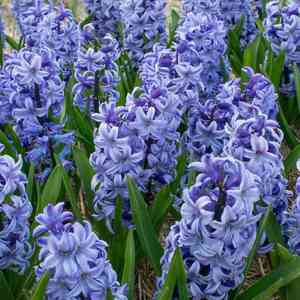
A perfumed spring blossom, Hyacinthus orientalis needs very little trimming. Once blooming concludes, snip off faded flower stems near the ground, being careful not to injure the leaves, as these nourish the bulbs. Perform pruning in late winter or early spring prior to the emergence of new shoots. This prevents the plant from expending energy on seed creation, fostering more robust bulbs. Any withered or compromised foliage ought to be taken off at the close of the growing period. Strategic pruning guarantees abundant flowers for the subsequent year.
Advantages of Trimming Common Hyacinth
Advantages of Trimming Common Hyacinth
Trimming common hyacinth promotes robust development and maintains its desired form. By eliminating faded blossoms, common hyacinth can channel energy into bulb fortification instead of seed creation.
Optimal Period for Trimming Common Hyacinth
Optimal Period for Trimming Common Hyacinth
These periods are ideal for trimming common hyacinth as the plant is either still dormant or just beginning to emerge, which lessens stress and minimizes harm to new growth or flower buds. Late winter trimming prepares common hyacinth for the new growth cycle, removing any damaged or diseased parts before the plant invests energy in fresh shoots. Trimming in early spring, post-final frost but prior to common hyacinth's active growth, boosts the plant's vitality and ensures energy is directed towards healthy bulbs, encouraging superior flowering. Pruning during these times aligns with common hyacinth's growth pattern of appearing in spring, blooming, then entering dormancy after leaves yellow and die back in summer and fall.
Tools Required for Trimming Common Hyacinth
Handheld Pruning Shears
For common hyacinth, handheld pruning shears are perfect for making clean cuts on spent flower stems and removing old foliage without harming the bulbs. Their precision allows gardeners to carefully maneuver around the dense flower clusters of common hyacinth.
Gardening Gloves
To safeguard hands from soil-borne pathogens and prevent irritation from common hyacinth sap, gardening gloves are essential. They provide a firm grip and added safety when handling pruning tools and the plant itself.
Garden Scissors
Small garden scissors are suitable for snipping off withered blooms of common hyacinth. This selective trimming helps redirect the plant's energy into the bulb for the subsequent growing season.
Disinfectant
Utilizing a disinfectant to cleanse pruning tools before and after trimming common hyacinth aids in preventing disease spread. Clean cuts are vital for the plant's health, and disinfected tools reduce the risk of introducing pathogens.
How to Trim Common Hyacinth
Step1: Post-Bloom Trimming Schedule
Initiate trimming common hyacinth after the flowers have faded, but before new growth commences. This typically occurs in late spring or summer. During this phase, the plant's energy is redirected to the bulb for the following year's growth.
Step2: Preparation of Sterile Pruning Shears
Employ clean, sharp pruning shears to prevent damage and lessen the chance of disease transmission. Sterilize the shears with alcohol or a bleach solution prior to beginning.
Step3: Identification of Spent Flowers
Locate the dead flowers and faded blooms on common hyacinth, which appear withered and discolored. These are usually found at the top of the flower stalks.
Step4: Deadheading Faded Blooms
Carefully snip off the dead flowers and faded blooms at the base of the flower stalk, leaving the green foliage intact. This encourages the plant to redirect its energy to the bulb rather than seed production.
Step5: Trimming Yellowing Foliage
Identify any leggy or yellowing foliage, which can occur as common hyacinth enters dormancy. Be careful not to remove healthy leaves, as these are necessary for photosynthesis to replenish the bulb.
Step6: Removing Leggy Leaves at Base
Trim the leggy or yellowing foliage back to ground level or to the plant's base, ensuring clean cuts to avoid tearing the leaves.
Step7: Clearing Dead Foliage Post-Dormancy
Once all foliage has completely died back naturally, typically by late summer, remove the remaining leaves. By this point, the plant should have stored sufficient energy in the bulb.
Step8: Proper Pruning Debris Disposal
Dispose of pruning debris appropriately, as decaying plant material can attract pests or harbor diseases that might affect common hyacinth in the future.
Step9: Light Watering After Pruning
Water sparingly if the soil is very dry, but avoid overwatering as common hyacinth bulbs are susceptible to rot in moist conditions during their dormant period.
Step10: Fertilizing Post-Pruning
After trimming, consider applying a balanced fertilizer to the soil around common hyacinth to support the bulb's health and encourage vigorous growth in the next growing season.
Post-Trimming Care for Common Hyacinth
Post-Trimming Care for Common Hyacinth
Immediately after trimming common hyacinth, ensure proper water management, avoiding overwatering to prevent rot. Maintain indirect bright light, stable temperatures, and moderate humidity to reduce stress. Apply a balanced, slow-release fertilizer to support recovery, and carefully monitor for wilting or discoloration as indicators of stress or disease. Take prompt action to mitigate any detected issues by adjusting care or consulting an expert.
Common Trimming Errors with Common Hyacinth
Incorrect Timing for Trimming
Trimming common hyacinth too early or too late during its growth cycle, which can lead to reduced flower production or plant vigor.
Removing Healthy Foliage with Flowers
Cutting off healthy leaves along with spent flower stalks, which deprives common hyacinth of the necessary foliage it requires for photosynthesis and subsequent energy storage.
Over-trimming at One Time
Trimming too much of the plant at once, which can stress common hyacinth and make it more vulnerable to diseases and pests.
Using Dull or Contaminated Tools
Using dull or dirty trimming tools that can harm the plant tissues of common hyacinth or introduce diseases.
Common Trimming Advice for Common Hyacinth
Trim After Stalks Yellow/Brown
Wait until the flower stalks of common hyacinth have turned yellow or brown before trimming, indicating that the plant has finished redirecting energy to the bulbs.
Cut Flower Stalks, Preserve Leaves
Cut the spent flower stalks of common hyacinth close to the base without removing the leaves since they are still working to nourish the bulbs for the next season.
Gentle Bloom Removal to Protect Bulbs
Be gentle when removing spent blooms and avoid pulling or tugging, which can damage the bulbs of common hyacinth.
Sanitize Tools to Prevent Disease
Clean and sanitize trimming tools before and after use on common hyacinth to prevent the spread of diseases.
Dispose of Trimmed Material Offsite
Dispose of the trimmed materials away from common hyacinth to avoid the attraction of pests or diseases.
Check for Disease Before Trimming
Inspect common hyacinth for signs of disease or pest infestation prior to trimming and address any issues immediately to maintain plant health.



