How to Prune Spanish bluebell?
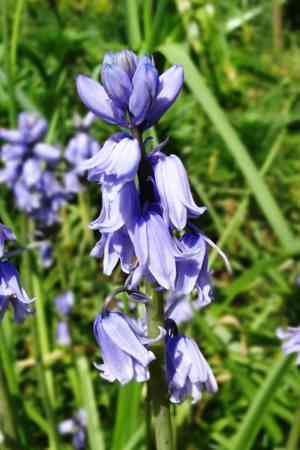
A perennial plant recognized for its bell-shaped blossoms and elongated foliage, spanish bluebell thrives with trimming after its blooming period. Only trim back the leaves once they have turned yellow, as this process returns nutrients to the bulbs. Remove any withered or spent flowers to enhance the bulbs' robustness. Effective from early spring through late autumn, post-flowering pruning aids in preventing unwanted self-propagation and fosters robust development for the subsequent year.
Advantages of Trimming Spanish Bluebell
Advantages of Trimming Spanish Bluebell
Trimming spanish bluebell promotes more abundant blooms, stimulates vigorous development, and helps maintain a compact, appealing shape, thereby enhancing the plant's decorative value and vigor.
Optimal Period for Trimming Spanish Bluebell
Optimal Period for Trimming Spanish Bluebell
Trimming in early spring allows the gardener to remove any dead or damaged leaves from spanish bluebell before the plant's active growth period begins. This is a time when the plant can quickly recover and initiate new growth without the stress of cuts made during its most vigorous phase. Conversely, late fall is another ideal time for trimming spanish bluebell because the plant has finished its annual growth cycle, which typically includes flowering. During this period, energy is conserved for the subsequent season, and removing any spent flowers or foliage reduces the risk of disease and prepares spanish bluebell for a healthy start the following spring.
Necessary Tools for Trimming Spanish Bluebell
Hand Shears
For snipping off faded flowers and cutting back foliage to the base after blooming.
Gloved Hands
To gently remove withered blooms; suitable for spanish bluebell due to its delicate stems and flowers.
Gardening Scissors
Perfect for precise cutting and shaping of spanish bluebell without harming nearby plants.
How to Trim Spanish Bluebell
Step1: Examine Plant for Trimming Needs
Examine spanish bluebell after flowering to identify dead blooms, diseased leaves, and wilted stems that require trimming. Look for signs of illness such as discolored foliage and for flowers that have already bloomed and started to fade.
Step2: Sanitize Trimming Tools
Sanitize your trimming tools with a solution of 1 part bleach to 9 parts water to prevent the spread of diseases between plants.
Step3: Remove Dead Flowers
Snip off the dead flowers just below the flower head with a pair of clean, sharp scissors or pruning shears. Make the cut at a 45-degree angle to prevent water accumulation, which can encourage disease.
Step4: Trim Diseased Leaves
Remove diseased leaves by tracing down to the base of the leaf where it emerges from the main plant. Cut the leaf off at this point, being careful not to harm the bulb or adjacent healthy leaves. Collect and dispose of diseased material properly, away from the garden.
Step5: Cut Wilted Stems
Cut back wilted stems to the base of spanish bluebell where they emerge from the ground. Make clean, straight cuts to avoid jagged edges that could harbor pests or disease.
Step6: Dispose of Trimmed Plant Parts
Clean up all trimmed off parts from around spanish bluebell to deter pests and prevent fungal diseases. Dispose of the plant matter in the trash or compost it if not diseased.
Step7: Water Sparingly After Trimming
Water spanish bluebell sparingly after trimming, as overwatering can lead to bulb rot. Ensure the soil drains well and do not let water sit around the base of the plant.
Step8: Fertilize After Trimming
Fertilize spanish bluebell after trimming, if necessary, using a balanced, slow-release fertilizer to promote healthy growth for the next blooming season.
Step9: Continuously Monitor Plant Health
Monitor spanish bluebell regularly for any signs of pests or disease after trimming, treating any issues promptly to maintain plant health.
After-Trimming Care for Spanish Bluebell
After-Trimming Care for Spanish Bluebell
After trimming spanish bluebell, immediately water the plant to alleviate stress. Maintain moderate humidity and indirect sunlight to aid recovery, avoiding extreme temperatures. Apply a balanced, slow-release fertilizer to replenish nutrients. Regularly inspect for wilting, discoloration, or pests, indicating stress or infection. Promptly address any issues with appropriate treatments to prevent further damage.
Common Trimming Errors with Spanish Bluebell
Avoid Excessive Trimming to Prevent Reduced Blooms
Excessive trimming of spanish bluebell can be harmful, as this could lead to fewer blooms or cause undue stress on the plant.
Do Not Trim During Seed Pod Formation to Allow Self-Seeding
Trimming spanish bluebell while it is forming seed pods might seem like a way to tidy the plant, but this actually prevents it from self-seeding and naturalizing in the garden.
Remove Spent Flower Stalks to Control Unwanted Spreading
Neglecting to remove spent flower stalks. Despite spanish bluebell's relatively low maintenance, these should still be trimmed to maintain a neat appearance and prevent unwanted spreading if self-seeding is not desired.
Use Clean and Sharp Tools to Prevent Disease and Poor Healing
Using dirty or dull tools when trimming spanish bluebell can lead to jagged cuts that are more susceptible to disease and may hinder the healing process of the plant. Proper sanitation and sharpness of trimming tools are crucial.
Respect Natural Growth by Timing Foliage Trimming Correctly
Failing to consider the plant's natural growth habit by cutting back foliage too early can weaken spanish bluebell as the leaves provide necessary energy for the next growing season.
General Trimming Advice for Spanish Bluebell
Trim after Foliage Dies Back to Nourish Bulbs for Next Season
Wait until the foliage of spanish bluebell has died back completely before trimming, as the leaves provide essential nutrients to the bulb for the next flowering season.
Cut Spent Stalks with Sharp, Sanitized Shears to Minimize Damage
Snip the spent flower stalks at the base once blooming has finished, and they begin to wilt, utilizing sharp and sanitized shears to minimize damage and disease risk.
Allow Seed Pod Formation for Desired Self-Seeding
Allow spanish bluebell to form seed pods if naturalization or self-seeding is desired in your garden, and only trim these pods if you aim to control its spread.
Remove Damaged Foliage Promptly to Maintain Plant Health
Trim any damaged or diseased foliage as soon as it's spotted to keep spanish bluebell healthy, cutting back the affected area to healthy tissue.
Clean Up Thoroughly After Trimming to Prevent Pests and Diseases
Be thorough in your cleanup after trimming spanish bluebell, as decaying plant material can harbor pests and diseases. A tidy garden bed prevents many problems before they start.



