How to Prune Common hop?
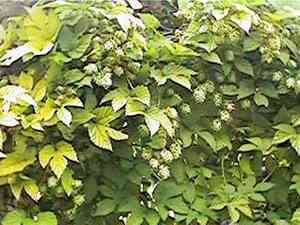
This enduring, vining plant is grown for its blossoms utilized in beer production. For common hop, yearly trimming is crucial, fostering robust stems and maximum output. Commence in early spring; cut back the previous year's development to 2-3 vigorous stems per plant. Consistently eliminate frail sprouts and deceased matter. Summer trimming stimulates lateral shoots vital for blooming. Pruning incisions ought to be precise to avert illness. Prompt trimming guarantees sunlight access and air movement, boosting development and reducing insect problems.
What Are the Benefits of Pruning Common Hop?
What Are the Benefits of Pruning Common Hop?
Trimming common hop promotes robust growth, ensuring the plant remains fruitful. It also aids in maintaining its desired size and shape, enhancing yield and garden appeal.
What Is the Best Time for Pruning Common Hop?
What Is the Best Time for Pruning Common Hop?
In early spring, pruning common hop is advantageous as it prepares the plant for the upcoming vigorous growth period and eliminates any dead or damaged wood, which can boost overall plant health and vitality. Late summer pruning aligns with the post-harvest phase, allowing the gardener to shape the plant and manage its dimensions. This timing also prevents the unnecessary loss of valuable cone production, as pruning during active growth or flowering periods could diminish yield. Pruning during these recommended seasons helps ensure that common hop has the appropriate structure to support the next season's growth and cone output.
What Tools Do I Need to Prune Common Hop?
Hand Pruners
Common hop produces bines that need trimming to maintain plant health and output. Hand pruners are crucial for making precise cuts on thinner stems. Opt for bypass pruners for their clean and sharp cutting action.
Lopping Shears
For thicker stems that hand pruners cannot manage, lopping shears with extended handles provide the necessary leverage for larger cuts without harming common hop.
Pruning Saw
When dealing with mature or woodier sections of common hop, a pruning saw is ideal. Its serrated blade allows for cutting through larger branches too thick for lopping shears.
Gloves
Handling common hop can cause skin irritation, so wearing gloves is essential to protect hands during the pruning process.
Gardening Snips
These are perfect for precisely snipping off smaller parts of common hop, such as deadheading flowers or thinning out denser areas.
How to Prune Common Hop
Step1: Timing Pruning to Seasonal Growth Cycles
Determine the appropriate time of year for pruning common hop, typically in late winter or early spring before new growth commences. This ensures the plant has sufficient energy to produce healthy bines (stems) for the upcoming season.
Step2: Sanitizing Tools for Disease Prevention
Sanitize pruning shears or scissors with alcohol to prevent disease spread. Use sharp tools to make clean cuts that will heal quickly.
Step3: Removing Dead Wood at Proper Nodes
Begin by removing any dead wood. Cut dead bines back to the base or to where healthy tissue starts. Make the cut just above a node (the point on a stem where leaves are attached), as this is where new growth will emerge.
Step4: Thinning Weaker Shoots for Vigorous Growth
Thin out weak shoots that appear less vigorous and strong. These are typically thinner than a pencil. Cut these weak shoots back to the base to allow more robust bines to receive better light exposure and air circulation.
Step5: Detecting and Pruning Diseased Plant Parts
Examine common hop for any signs of disease, such as discolored leaves or stems. Prune away the diseased parts by cutting at least a few inches into healthy tissue beyond the infection, and dispose of them properly to avoid spreading pathogens.
Step6: Selective Training of Bines for Optimal Yield
When shaping common hop, select three to five healthy bines to train up supports or trellises, trimming away the excess to prevent overcrowding. This optimizes the plant's energy and resources for a better yield.
Step7: Disposing of Trimmings to Minimize Pests
After pruning, clear away all trimmings from the ground to discourage pests and diseases from harboring in the plant debris.
Step8: Regular Plant Health Monitoring and Maintenance
Monitor common hop for pests and diseases throughout the growing season, repeating the removal of affected parts as necessary to maintain plant health and vigor. Always disinfect tools after each cut when dealing with diseased material.
Post-Pruning Care for Common Hop
Post-Pruning Care for Common Hop
Immediately after pruning common hop, water the plant thoroughly to aid recovery. Maintain a favorable environment with moderate sunlight, avoiding direct, harsh exposure. Ensure relative humidity around 40-60% and stable temperatures of 60-70°F to support healing and regrowth. Applying a balanced fertilizer encourages new growth but should be done cautiously to prevent nutrient burn. Regularly check for wilt or discoloration, indicators of stress or infection, and treat promptly with appropriate fungicides if necessary. Monitor soil moisture, keeping it consistently damp but not waterlogged.
Common Pruning Mistakes with Common Hop
Ignoring Selection of Strongest Bines
Failing to choose the strongest bines for training, which can lead to poor common hop development and reduced yield.
Excessive Pruning Reduces Plant Vigor
Over-trimming common hop bines, which can stress the plant and diminish its vigor and productivity.
Pruning with Dull, Unsterilized Tools
Pruning without clean, sharp tools, increasing the risk of disease and damage to common hop.
Overcrowding from Too Many Bines
Leaving too many bines on the plant, which can cause overcrowding, poor air circulation, and increased susceptibility to pests and diseases.
Improper Cutting Technique Invites Disease
Cutting bines flush against the main stem which can create wounds susceptible to disease.
Common Pruning Tips for Common Hop
Train Healthy Bines, Prune the Rest
Select 2-3 of the healthiest and most vigorous bines to train up the support structures, and prune away the rest to focus common hop's energy.
Clean, Sharp Cuts Prevent Disease Spread
Use clean, sharp pruning shears to make clean cuts, and disinfect your tools between plants to prevent the spread of disease.
Lateral Shoot Pruning Ensures Airflow
Prune the lateral shoots to about 20-30 inches to promote air circulation which can lead to healthy common hop growth, reducing the risk of disease.
Trim Above Nodes for Bushier Growth
When trimming the tips of the bines, make the cut just above a node to encourage bushy growth and to prevent leaving stubs that can harbor disease.
Monitor and Remove Diseased Plant Parts
Regularly inspect common hop for signs of disease or pests, and promptly remove any affected parts to maintain plant health.



