How to Prune Japanese raisin tree?
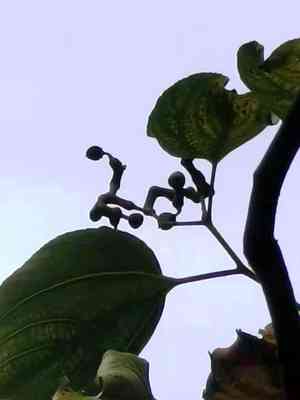
The Hovenia dulcis, recognized for its palatable, sugary fruit and decorative qualities, flourishes with appropriate trimming. Conduct pruning in late winter or early spring prior to the emergence of new shoots. Initially, eliminate any deceased or compromised limbs, subsequently thinning congested sections to improve air movement. Decrease the thickness of the crown to allow light to permeate, fostering more robust leaves and superior fruit production. Trimming additionally preserves the preferred form and dimensions, and eradicates basal shoots that deplete vigor. This regular upkeep enhances general health and visual attractiveness.
What Are the Benefits of Pruning Japanese Raisin Tree?
What Are the Benefits of Pruning Japanese Raisin Tree?
Trimming japanese raisin tree promotes more robust growth by reallocating energy to new shoots, resulting in a stronger plant. Furthermore, it helps maintain its desired form and size, ensuring japanese raisin tree's visual appeal and ease of management in a landscape.
What Is the Best Time for Pruning Japanese Raisin Tree?
What Is the Best Time for Pruning Japanese Raisin Tree?
Late winter and early spring are optimal for pruning japanese raisin tree to ensure the plant's energy is directed towards the upcoming season's new growth. During late winter, the tree remains dormant, minimizing sap loss and lowering the risk of disease transmission. Additionally, the absence of leaves at this time offers better visibility for selectively removing branches that may be dead, damaged, or diseased. In early spring, just before growth begins, pruning aids in shaping the tree and encourages healthy development. This timing also allows japanese raisin tree to recover from cuts before entering its active growth phase. Avoiding the flowering and fruiting periods prevents disruption to the plant's reproductive cycle and maximizes fruit production.
What Tools Do I Need to Prune Japanese Raisin Tree?
Hand pruners
For making clean cuts on young branches and twigs of japanese raisin tree, as well as for general shaping.
Lopping shears
To cut through thicker branches of japanese raisin tree, typically those up to about 1.5 inches in diameter, enhancing structural pruning.
Pruning saw
For removing mature, larger branches that hand pruners and lopping shears cannot handle on japanese raisin tree, ensuring healthy growth patterns.
Pole pruner
For reaching higher branches of japanese raisin tree without the need for a ladder, maintaining safety and precision in pruning upper tree portions.
Hedge shears
Suitable for trimming and shaping the foliage of japanese raisin tree, particularly if it is being maintained as a hedge or for topiary work.
Pruning gloves
To protect hands from thorns and rough bark while pruning japanese raisin tree, ensuring personal safety during the task.
How to Prune Japanese Raisin Tree
Sanitation
Start by sanitizing your pruning tools to prevent the spread of disease to or from japanese raisin tree.
Identification
Carefully examine japanese raisin tree for any dead branches (which will be brittle, leafless, and may appear darker or grey) and diseased branches (which may show discoloration, growths, or unusual marks).
Cutting Dead Branches
Using sharp, clean pruning shears, cut any dead branches where they meet healthy wood, making cuts at a slight angle to allow water runoff and prevent rot.
Cutting Diseased Branches
Trim diseased branches well below the affected area to ensure complete removal of all diseased tissue. If an entire limb is diseased, consider removing it at its origin to promote healthy growth in japanese raisin tree.
Disposal
Collect and dispose of all pruned material away from japanese raisin tree, preferably by burning or disposing of it with household waste to prevent the spread of any pathogens.
Common Pruning Mistakes with Japanese Raisin Tree
Over-Pruning
Removing too much of japanese raisin tree's foliage or branches can weaken the plant and reduce its vigor. Mature trees should not have more than 25% of their canopy removed in a single season.
Incorrect Cuts
Improper cutting technique can damage japanese raisin tree's bark or leave stubs that could lead to pest infestations or diseases. Cuts should be clean and made at a slight angle away from a bud or branch.
Flush Cutting
Cutting branches flush against the trunk can cause significant damage to japanese raisin tree. Instead, make cuts just outside the branch collar to promote healing.
Pruning Too Early
Pruning japanese raisin tree very early in its development may delay its establishment and growth. Allow the tree to develop a strong framework before extensive pruning.
Neglecting Tools
Using dull or unsterilized tools can harm japanese raisin tree by creating jagged cuts that are more susceptible to disease. Always use sharp and clean tools.
Common Pruning Tips for Japanese Raisin Tree
Health First
Focus on removing any dead, diseased, or broken branches from japanese raisin tree to maintain plant health and prevent the spread of disease.
Shape And Support
Japanese raisin tree benefits from shaping to develop a strong structure. Identify and maintain a central leader and evenly spaced lateral branches. Remove competing leaders.
Thin Canopy
Thin out japanese raisin tree's canopy to improve air circulation and sunlight penetration, which can enhance fruit production and reduce disease risk.
Sucker Removal
Remove water sprouts and root suckers from japanese raisin tree as they appear. These can divert energy from the main structure and fruiting branches.
Correct Timing
While avoiding the mention of specific seasons, ensure that pruning is performed during a time when japanese raisin tree is least susceptible to harm. This usually corresponds to a period of dormancy or after flowering.



