How to Prune Rose of sharon?
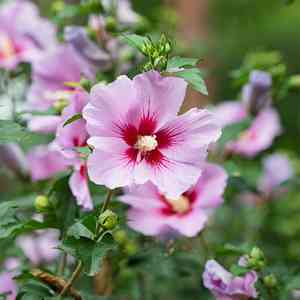
A summer-flowering bush featuring sizable, bell-shaped blossoms, rose of sharon flourishes with appropriate trimming. Essential methods involve reducing aged and intersecting limbs, and sculpting for visual appeal. The ideal period for pruning is late winter or early spring prior to the emergence of new shoots. Trimming stimulates robust development, enhanced blooming, and a sound, airy framework. Caution should be exercised to prevent excessive removal, thereby retaining its inherent shape.
What Are the Benefits of Pruning Rose Of Sharon?
What Are the Benefits of Pruning Rose Of Sharon?
Trimming rose of sharon promotes more abundant blooms and a healthier specimen by eliminating diseased or pest-infested limbs, ultimately enhancing its resistance to infestations.
What Is the Best Time for Pruning Rose Of Sharon?
What Is the Best Time for Pruning Rose Of Sharon?
Trimming rose of sharon in early spring allows for the removal of any lifeless or damaged branches before the plant begins new development, which helps to ensure that energy is directed towards producing robust foliage and flowers. Late winter pruning is advantageous as rose of sharon is dormant, reducing stress on the plant and minimizing the risk of disease transmission. This timing also enables the gardener to sculpt the plant and encourage a desired growth pattern before the growing season commences. Pruning during these periods avoids disrupting the blooming cycle of rose of sharon, which typically flowers in summer, and minimizes the chance of cutting off developing buds. It also allows for vigorous recovery and ensures that rose of sharon maintains a vibrant display of flowers during its blooming period.
What Tools Do I Need to Prune Rose Of Sharon?
Hand Pruners
Perfect for severing branches up to 3/4 inches in diameter, hand pruners ensure precise cuts on rose of sharon's thinner stems without causing unnecessary harm to the plant.
Lopping Shears
Ideal for branches between 3/4 inch and 1 1/2 inches thick, lopping shears provide the leverage needed to make clean cuts on rose of sharon's more substantial branches.
Pruning Saw
For branches exceeding 1 1/2 inches in thickness, a pruning saw is recommended to manage the size and density without injuring rose of sharon or the gardener.
Gloves
Protects the gardener's hands from thorns and rough bark while trimming rose of sharon, ensuring safety and comfort.
Disinfectant
Used to cleanse tools before and after pruning rose of sharon to prevent the spread of disease between plants.
Sharpening Tool
Helps keep pruning tool blades in optimal condition for clean and efficient cuts, which is crucial for the health of rose of sharon.
How to Prune Rose Of Sharon
Step1: Timing for Pruning
Determine the optimal time for trimming rose of sharon, which is late winter or early spring before new growth begins. Pruning at this time will encourage vigorous growth and flowering since rose of sharon blooms on current yearâs growth.
Step2: Tool Sterilization
Sterilize pruning tools prior to beginning. Clean cuts will prevent diseases. Use a solution of 1 part bleach to 9 parts water or rubbing alcohol to disinfect the shears.
Step3: Dead Branch Inspection
Examine rose of sharon for dead branches. These are typically dry, brittle and may be discolored. Dead branches should be removed at their point of origin or back to live wood.
Step4: Dead Branch Pruning Method
Trim dead branches by making clean cuts with sharp bypass pruners or loppers. Cut at a slight angle, about 1/4 inch above an outward-facing bud to encourage open growth.
Step5: Overgrown Stem Identification
Inspect rose of sharon for overgrown stems. These may be crossing, rubbing, or growing out of the desired shape or space. Determine the direction you wish the branch to grow, selecting an outward-facing bud in that direction.
Step6: Cutting Back Overgrown Stems
Reduce overgrown stems by cutting them back to a desirable length. As with dead branches, make the cut 1/4 inch above an outward-facing bud, ensuring a clean, diagonal cut.
Step7: Thinning for Air Circulation
Shape the overall structure of rose of sharon by selectively thinning overcrowded areas to enhance air circulation. Remove any suckers and water sprouts to conserve the plant's resources for the main stems.
Step8: Plant Shaping for Sunlight and Air
When addressing general shape, aim for an open vase-like shape for rose of sharon. This will improve sunlight penetration and air circulation within the canopy, which is essential for healthy growth and flowering.
Step9: Post-Pruning Tool Cleaning
After pruning, clean all tools used with the bleach solution or alcohol to prevent the spread of disease, and dispose of all cuttings to prevent pest infestation.
Step10: Watering and Fertilizing Post-Pruning
Following the trimming of rose of sharon, provide the plant with adequate water and apply a balanced fertilizer to support recovery and new growth.
Post-Pruning Care for Rose Of Sharon
Post-Pruning Care for Rose Of Sharon
Immediately after trimming rose of sharon, water generously to reduce transplant shock. Ensure rose of sharon is situated in partial to full sunlight with moderate humidity. Protect the plant from extreme temperatures. Apply a balanced fertilizer to nourish rose of sharon and promote healing. Regularly inspect pruned areas for signs of distress, such as discoloration or infection. If symptoms appear, apply a suitable fungicide or insecticide and consult a horticulture expert for severe cases. Adequate care supports vigorous regrowth and bloom production.
Common Pruning Mistakes with Rose Of Sharon
Over-pruning Reduces Flowering
Trimming too severely, which can stress rose of sharon and reduce the number of flowers.
Stubs from Pruning can Attract Pests
Leaving stubs after cutting branches, which can lead to disease and pest issues.
Unclean Tools Spread Diseases
Not disinfecting pruning tools between uses, potentially spreading disease to rose of sharon.
Unplanned Pruning Affects Plant Shape
Trimming without a clear purpose, resulting in an undesirable shape or size for rose of sharon.
Ignoring Diseased Branches Harms Health
Ignoring diseased or damaged branches during pruning, which can compromise the health of rose of sharon.
Incorrect Cuts Damage Growth and Healing
Cutting branches too close to the main trunk, which can harm the growth pattern and wound healing of rose of sharon.
Common Pruning Tips for Rose Of Sharon
Clean Cuts for Better Healing and Look
Use clean, sharp tools to make precise cuts, which will help rose of sharon heal better and maintain a neat appearance.
Remove Problematic Branches for Plant Health
Focus on removing dead, diseased, or crossed branches to maintain the health and aesthetics of rose of sharon.
Pruning for Balanced Growth and Flowering
Trim to shape rose of sharon, encouraging a balanced framework that supports ample flowering and strong growth.
Thinning for Light and Air Circulation
Thin out the center of rose of sharon to allow light and air to penetrate, improving overall plant health and minimizing disease.
Retain Natural Shape When Pruning
Retain a natural shape while trimming to enhance the ornamental value of rose of sharon, avoiding over-shearing or topiary unless suitable for the variety.
Prune Above Outward-Facing Buds for Fullness
Cut just above outward-facing buds to direct new growth outward and ensure a fuller shape for rose of sharon.
Sanitize Equipment to Prevent Disease Spread
Sanitize your pruning equipment before and after use on rose of sharon to prevent the spread of pathogens.



