How to Prune Swamp rose mallow?
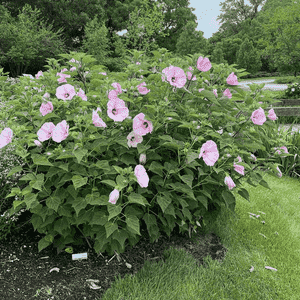
Given its prominent, vibrant blossoms and preference for marshy environments, Hibiscus moscheutos flourishes with proper trimming. Remove deceased stalks in early spring and sculpt the plant for dimensions and form subsequent to blooming. Severing it to the soil level revitalizes Hibiscus moscheutos, fostering fresh development. Pruning during its inactive period, from the beginning of spring to the end of autumn, prevents interference with its developmental rhythm. This leads to more robust flowers and an attractive appearance, while reducing the likelihood of illness.
What Are the Benefits of Pruning Swamp Rose Mallow?
What Are the Benefits of Pruning Swamp Rose Mallow?
Trimming swamp rose mallow promotes bigger, more numerous flowers, stimulates robust, healthy development, and maintains a pleasing shape. Regular cutting back keeps swamp rose mallow flourishing and well-maintained.
What Is the Best Time for Pruning Swamp Rose Mallow?
What Is the Best Time for Pruning Swamp Rose Mallow?
In early spring, swamp rose mallow is still inactive, which is an ideal time to prune because the plant can recover without expending energy needed for new growth and blooming. Pruning in late fall, after swamp rose mallow has finished flowering, allows for the removal of spent blossoms and can help prevent disease by eliminating any potentially infected or dead tissues. It also prepares the plant for winter and encourages vigorous growth in the subsequent season. These periods ensure the health of swamp rose mallow and optimize its flowering potential.
What Tools Do I Need to Prune Swamp Rose Mallow?
Hand Pruners
Perfect for making clean cuts on swamp rose mallow's stems, which are typically not excessively thick. Hand pruners should be sharp and bypass type to encourage healthy regrowth and minimize stem damage.
Lopping Shears
Useful for cutting through thicker stems or branches that hand pruners may not handle, ensuring gardeners can prune swamp rose mallow without hand strain.
Pruning Saws
Suitable when dealing with the oldest and thickest stems of swamp rose mallow, allowing for efficient removal of mature wood that hand pruners or lopping shears cannot manage.
Gardening Gloves
Protect hands from thorns and the sap of swamp rose mallow, which might irritate some peopleâs skin.
Garden Knife
Helpful for making precise, smaller cuts or removing any dead leaves and flower remnants from swamp rose mallow, without harming adjacent stems or blooms.
Pruning Snips
Ideal for deadheading spent blooms on swamp rose mallow and shaping the plant without causing undue stress to the smaller, more delicate growth.
Sharpening Tool
Keeping all cutting tools sharp ensures clean cuts, which are vital for the health of swamp rose mallow, aiding in disease and pest infestation prevention.
How to Prune Swamp Rose Mallow
Step1: Timing for Pruning
Wait for the appropriate time to prune swamp rose mallow, which is late winter or early spring before new growth begins. This timing helps to stimulate healthy new growth and flowering.
Step2: Sterilize Pruning Tools
Sterilize your pruning shears with rubbing alcohol or a bleach solution before starting to prevent the spread of disease.
Step3: Deadheading Spent Blooms
Begin by deadheading, removing dead flowers. Cut the flower stem back to the nearest set of leaves using an angled cut, which helps to direct moisture away from the cut end.
Step4: Remove Damaged Stems
Identify damaged stems that are broken, discolored, or show signs of disease. Prune these stems back to healthy tissue or to the base of the plant, depending on the extent of the damage.
Step5: Cut Back Non-Flowering Stems
Prune old stems that did not produce flowers in the previous season or appear less vigorous. These can be cut back to the base to encourage new, more productive growth.
Step6: Shape the Plant
Shape swamp rose mallow by selectively pruning to create an aesthetically pleasing form. Cut back stems to maintain a balanced shape, keeping in mind swamp rose mallow's natural growth habit.
Step7: Cleanup Pruning Debris
After pruning, clean up all cuttings and debris from around swamp rose mallow to discourage pests and disease.
Step8: Fertilize After Pruning
Apply a balanced, slow-release fertilizer after pruning to support swamp rose mallow's recovery and new growth.
Step9: Watering Post-Pruning
Water swamp rose mallow thoroughly after pruning and fertilizing to help reduce stress and provide hydration for the development of new growth.
Post-Pruning Care for Swamp Rose Mallow
Post-Pruning Care for Swamp Rose Mallow
Immediately after trimming swamp rose mallow, ensure it is adequately watered to reduce stress. Maintain a humid environment and provide indirect light to prevent scorching while swamp rose mallow recovers. Adjust temperatures to a moderate range suitable for swamp rose mallow's growth. Apply a balanced, slow-release fertilizer to replenish nutrients. Monitor swamp rose mallow for wilted leaves or unusual spots as indicators of stress or disease. If such signs appear, adjust care and consult a horticulturist for potential treatment.
Common Pruning Mistakes with Swamp Rose Mallow
Spreading Disease via Unclean Tools
Not sanitizing pruning tools before and after use can spread diseases to swamp rose mallow.
Damage to Main Stems or Bark
Cutting into or damaging the main stems or bark can create entry points for pests and diseases.
Over-Pruning Foliage and Live Wood
Removing too much foliage or live wood, which can stress swamp rose mallow and reduce its ability to flourish.
Lack of Pruning Objective
Pruning without a clear objective, leading to a lack of shape or failure to remove all the dead wood.
Inappropriate Distance from Buds
Making cuts too far from a bud, which can leave a stem stub that is susceptible to pests and diseases.
Ragged or Torn Cuts
Leaving ragged or torn cuts, which impair swamp rose mallow's ability to heal and encourage disease entry.
Common Pruning Tips for Swamp Rose Mallow
Sharp and Clean Pruning Tools
Use sharp and clean pruning shears or scissors to make clean cuts that will heal quickly and minimize the risk of disease.
Proper Angle and Position Cuts
Cut just above a leaf node or bud at a 45-degree angle to encourage new growth in the desired direction.
Remove Dead or Diseased Branches
Remove any dead or diseased branches first to maintain swamp rose mallow's health and vigor.
Thinning for Air Circulation and Light
Thin out the center of swamp rose mallow to improve air circulation and light penetration, which helps prevent fungal infections.
Retaining Natural Plant Shape
Retain the natural shape of swamp rose mallow by pruning selectively rather than shearing it into an unnatural form.
Deadheading After Flowering
After flowering, trim off spent blooms to promote further blooming and prevent energy from being diverted into seed production.



