How to Prune Rubber tree?
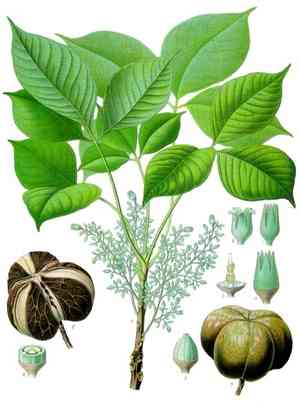
Recognized for its ability to produce latex, the rubber tree necessitates meticulous trimming to maximize output and well-being. Throughout its winter resting period, eliminate any lifeless or ailing limbs, reduce the thickness of the crown to allow light to enter, and sculpt its development. Refrain from incising the 'bark window' where the latex exudes. Strategic pruning improves the tree's architecture, stimulates development, and guards against fungal infections in this particular variety, guaranteeing consistent latex generation and extended tree life.
What Are the Benefits of Pruning Rubber Tree?
What Are the Benefits of Pruning Rubber Tree?
Trimming rubber tree encourages robust development and maintains its desired form, crucial for optimal latex yield and easier collection.
What Is the Best Time for Pruning Rubber Tree?
What Is the Best Time for Pruning Rubber Tree?
Trimming rubber tree in late winter is advisable as the plant is typically dormant. This timing allows for shaping without significant stress or hindering spring growth. Dormant pruning also minimizes sap bleed, which can attract pests and diseases. Additionally, leafless branches offer better visibility for precise cuts, and healing begins promptly with the spring's active growth phase.
What Tools Do I Need to Prune Rubber Tree?
Sharp Bypass Pruners
Ideal for making clean cuts on smaller branches of rubber tree, promoting quick healing and minimizing harm.
Pruning Saw
Best for cutting larger branches that bypass pruners cannot handle, ensuring a smooth cut without tearing the bark of rubber tree.
Loppers
Offer leverage for thicker branches found in mature rubber tree, enabling precise control with less effort.
Pole Pruner
Useful for reaching higher branches without a ladder, making maintenance of tall rubber tree specimens safer and simpler.
Gloves
Wearing gloves is important to protect hands from the latex sap of rubber tree, which can cause irritation or allergic reactions in some individuals.
How to Prune Rubber Tree
Sanitization
Sterilize all pruning tools before starting to prevent disease spread to rubber tree. Use a solution of 1 part bleach to 9 parts water or rubbing alcohol to thoroughly clean blades.
Identification
Examine rubber tree closely to find dead or diseased branches. Dead branches will appear dry, brittle, and brown, while diseased branches may show discoloration, cankers, or growths.
Cutting
Remove dead branches with clean cuts using sharpened pruning shears just outside the branch collar, the swollen area of trunk tissue at the branch base. Avoid damaging the branch collar as it's vital for rubber tree's healing process.
Diseased branches
Cut diseased branches well into healthy wood beyond the affected area to ensure all diseased material is removed from rubber tree. Dispose of diseased material immediately and properly to prevent further infection.
Cleanup and care
After pruning rubber tree, clear all debris from the plant's vicinity. Clean tools again using the same method as Step 1 to prevent transferring potential diseases to other plants or back to rubber tree on future use.
Common Pruning Mistakes with Rubber Tree
Overpruning
Removing too much foliage from rubber tree can weaken the plant and reduce its ability to photosynthesize effectively.
Improper cuts
Making cuts too close to the main stem or too far from a node can harm rubber tree, leading to poor wound healing and potential infection.
Dirty tools
Using uncleaned pruning tools can introduce diseases to rubber tree and spread pathogens between plants.
Neglecting disease signs
Failing to recognize diseased or infested parts of rubber tree during pruning can result in the spread of problems throughout the plant.
Bad timing
Pruning at the wrong time could interfere with the growth cycle of rubber tree, potentially impacting its health and productivity.
Ignoring plant structure
Lack of understanding of rubber tree's natural growth pattern can lead to incorrect pruning, detracting from the plant's aesthetic and vigor.
Excessive leaf removal
Stripping rubber tree of too many leaves can stress the plant, as leaves are essential to photosynthesis and overall energy production.
Common Pruning Tips for Rubber Tree
Sharp tools
Use sharp and sterilized pruning tools to make clean cuts on rubber tree that heal quickly and reduce disease risk.
Prune for shape
Focus on shaping rubber tree by removing any overgrown or leggy branches, encouraging a balanced structure and appearance.
Node cutting
When shortening branches, cut just above the node to stimulate healthy new growth on rubber tree.
Infected materials
Promptly remove and destroy any diseased or dead material from rubber tree to prevent the spread of pathogens.
Moderate thinning
Thin out dense areas to improve air circulation and light penetration throughout rubber tree, which encourages strong and healthy growth.
Crossing branches
Identify and prune away branches that are crossing or rubbing against each other to prevent damage and encourage a healthy canopy in rubber tree.
Cut at an angle
Make angled cuts to allow water to run off and prevent rot or fungal infections on the cut surfaces of rubber tree.



