How to Prune Coral bells?
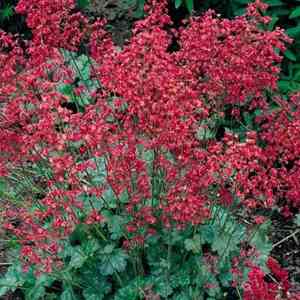
This enduring plant is cherished for its vivid leaves and dainty, campanulate blossoms. Essential trimming for coral bells entails excising faded blooms to stimulate further flowering and detaching any desiccated or compromised foliage to sustain the plant's robustness. Perform pruning as required throughout the year, with a particular focus after blooming to encourage more flowers. When undertaking this task, sanitize your implements to avert the dissemination of pathogens. Pruning not only enhances the visual charm of coral bells but also fosters robust development and abundant floral production.
What Are the Benefits of Pruning Coral Bells?
What Are the Benefits of Pruning Coral Bells?
Trimming coral bells promotes abundant flowering and vigorous development. It allows gardeners to uphold the desired form, leading to a more visually appealing garden presence.
What Is the Best Time for Pruning Coral Bells?
What Is the Best Time for Pruning Coral Bells?
Pruning or trimming coral bells from late winter to early spring, just before new growth begins, is optimal. This timing enables the plant to recover swiftly and channel its energy into producing fresh foliage and blossoms. It also minimizes the chance of disease infection, as open cuts can heal more rapidly during the growing season. Furthermore, during this period, the absence of leaves offers better visibility for shaping the plant and removing any dead or damaged foliage without impacting blooming, which typically occurs in late spring to summer.
What Tools Do I Need to Prune Coral Bells?
Bypass pruners
Perfect for making clean cuts on coral bells's delicate stems. These pruners operate like scissors and are less prone to crushing stems compared to anvil pruners.
Garden scissors
Useful for precise trimming of coral bells's foliage and removing spent flowers to encourage further blooming.
Handheld snips
Ideal for deadheading coral bells and snipping off unattractive or damaged leaves. Their small blades allow for accurate, close cuts without harming healthy growth.
Leaf rake
Gentle on coral bells's foliage while clearing away fallen leaves and debris from the plant's base to maintain good air circulation and prevent disease.
How to Prune Coral Bells
Cleaning Tools
Sanitize pruning tools to prevent the spread of disease. Use a solution of one part bleach to nine parts water to clean tools before and after pruning coral bells.
Remove Diseased Parts
Carefully remove any diseased leaves and branches from coral bells. Cut the diseased areas back to healthy tissue to ensure the disease does not spread.
Trim Dead Material
Trim away withered leaves, dead branches, and any diseased branches. Make clean cuts close to the base of coral bells for withered leaves and flower stems and just above a leaf node or bud for branches.
Deadhead Flowers
Deadhead spent blooms by snipping off the withered flowers at the base of the flower stem. This will encourage coral bells to produce more flowers.
Shape Plant
Lightly shape the plant if necessary, but avoid heavy pruning as coral bells does not respond well to aggressive cutting back. Focus on maintaining a natural shape and promoting healthy growth.
Common Pruning Mistakes with Coral Bells
Overpruning
A common error is removing too much foliage or too many stems at once, which can stress coral bells and hinder its development. Itâs important to prune only as much as needed to maintain shape and health.
Cutting Old Wood
Another mistake is cutting into the old wood of coral bells. Since coral bells blooms on new growth, cutting old wood can diminish its blooming potential for the season.
Shearing
Some gardeners treat coral bells like a hedge and shear the plant into a formal shape, which can lead to a dense outer layer and poor air circulation within the foliage. This can increase the risk of disease.
Pruning During Growth
Pruning back coral bells too severely during its active growth period can lead to a reduction in blooms. Light pruning is recommended during this time to shape the plant and encourage more flowers.
Ignoring Spent Flowers
Failing to remove spent flowers can prevent coral bells from producing new blooms. Deadheading is an important task that should not be overlooked while pruning.
Common Pruning Tips for Coral Bells
Selective Thinning
Employ selective thinning to remove only the specific stems that are dead, damaged, or unsightly. This method helps maintain the natural shape of coral bells and encourages healthy growth.
Encouraging Rebloom
To encourage reblooming, deadhead faded flowers regularly. This redirects the plant's energy into producing new blooms rather than seeding.
Promoting Air Circulation
When pruning, aim to open up the center of the plant to improve air circulation. This can reduce the likelihood of fungal diseases that thrive in damp, stagnant conditions.
Using Clean Tools
Always prune coral bells with clean, sharp pruning shears to make precise cuts and reduce the risk of disease transmission between plants.
Gentle Shaping
Shape coral bells by trimming away stray or overlong stems to maintain an aesthetically pleasing mound form, which is characteristic of the species.



