How to Prune Crevice alumroot?
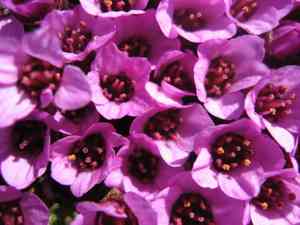
This resilient perennial, recognized for its compact foliage and graceful bell-shaped blossoms, thrives with consistent trimming to preserve its form and stimulate development. Eliminate withered or compromised leaves whenever necessary, and snip off faded flower stems once they've bloomed. Perform light shaping trims, with the majority of pruning occurring from early spring through late autumn. This practice not only fosters more vigorous, denser plants but also deters ailments by enhancing air movement.
Advantages of Trimming Crevice Alumroot
Advantages of Trimming Crevice Alumroot
Trimming crevice alumroot promotes robust development and maintains its desired form. This action eliminates dead or damaged leaves, enhances air circulation, and fosters a strong structure vital for its longevity and visual appeal.
Optimal Period for Trimming Crevice Alumroot
Optimal Period for Trimming Crevice Alumroot
In early spring, crevice alumroot remains dormant, allowing gardeners to shape the plant and remove dead foliage without disrupting active growth. Pruning at this time encourages vigorous spring growth and allows for a clear assessment of which parts of the plant need removal. Late fall, post-flowering, is another ideal time as it prepares crevice alumroot for winter by removing spent blooms and reducing disease risk, while ensuring that energy is conserved for the next growth cycle. Pruning during the active growth or flowering phases could stress the plant and diminish its display.
Required Tools for Trimming Crevice Alumroot
Hand Pruners
These are perfect for precise cuts on crevice alumroot due to its delicate foliage and smaller stems. Hand pruners enable accurate, clean cuts that will aid in the plant's healthy regrowth.
Pruning Shears
Since crevice alumroot can form dense clusters, pruning shears can be utilized to trim the plant's outer edges. They assist in shaping the clump and removing any spent flowers or damaged leaves.
Garden Scissors
These are useful for deadheading and correcting minor flaws in crevice alumroot. With garden scissors, gardeners can gently remove dead leaves and spent blooms without harming adjacent plants.
Bypass Pruners
These are especially effective for cutting through live tissue without causing harm to crevice alumroot. The bypass action mimics a scissor motion, resulting in a clean cut crucial for the plant's health.
How to Trim Crevice Alumroot
Step1: Inspect for Trimming
Examine crevice alumroot to identify spent flowers and damaged leaves requiring removal. This initial assessment should occur in late winter or early spring before new growth begins.
Step2: Prepare Pruning Tools
Ensure pruning shears or scissors are clean and sharp. Sterilize tools with alcohol to prevent disease transmission.
Step3: Remove Spent Flowers
Begin by removing dead flowers. Locate the base of the spent flower stalks where they emerge from the foliage or the plant's crown. Snip these stalks at the base to encourage healthier growth and a neater appearance.
Step4: Identify Damaged Leaves
Inspect crevice alumroot for damaged leaves. These may be discolored, show signs of disease, or be physically harmed. Trimming these will help maintain the plant's aesthetic and health.
Step5: Trim Damaged Leaves
Cut damaged leaves where they meet the stem or at the plant's base. Make a clean cut as close to the base as possible without harming the crevice alumroot's crown.
Step6: Dispose of Cuttings
After trimming, carefully discard the removed material, especially if diseased, to prevent it from affecting other plants or re-infecting crevice alumroot.
Step7: Post-trimming Care
Water the plant and provide appropriate care after trimming to support its recovery and new growth.
Step8: Monitor Plant Health
Observe crevice alumroot after trimming for any signs of stress or further issues, and address them promptly to ensure the plant's continued health and beauty.
After-Trimming Care for Crevice Alumroot
After-Trimming Care for Crevice Alumroot
Immediately after trimming crevice alumroot, ensure ample watering to reduce transplant shock, maintaining moist but well-drained soil. Position crevice alumroot in partial shade, avoiding full sun to prevent stress. Adjust humidity and temperature to moderate levels suitable for crevice alumroot. Implement a balanced fertilizer regimen to encourage robust regrowth, avoiding over-fertilization. Regularly inspect crevice alumroot for signs of distress or disease, such as wilted leaves or discolored stems, and promptly address with appropriate horticultural practices.
Common Trimming Errors with Crevice Alumroot
Excessive Trimming Harms Plant
Cutting back crevice alumroot too severely can shock the plant, diminishing its overall health and vitality.
Dirty, Dull Tools Injure Plant
Trimming crevice alumroot without cleaning and sharpening tools beforehand can introduce diseases or result in jagged cuts that harm the plant.
Over-Removal Reduces Photosynthesis
Failing to remove only dead or damaged foliage, thereby unintentionally reducing the plant's ability to photosynthesize efficiently and causing stress.
Ignoring Plant's Natural Form
Disregarding the natural shape of crevice alumroot during trimming, which can lead to an unnatural appearance and impede its growth.
Trimming Healthy Blooms Limits Flowers
Trimming healthy flower stems on crevice alumroot may reduce its blooming potential if done without discernment.
General Trimming Advice for Crevice Alumroot
Remove Dead Leaves for Plant Health
Start by removing any dead or discolored leaves from crevice alumroot at their base to maintain good plant hygiene and encourage new growth.
Clean Cuts with Sterilized Shears
Use sharp, sterilized pruning shears to make clean cuts on crevice alumroot without crushing the plant tissue, which can promote quicker healing.
Trim Spent Stems to Boost Growth
Cut back the spent flower stems of crevice alumroot after blooming to direct energy back into the plant for more robust foliage and future flowers.
Light Trimming Retains Natural Plant Shape
Maintain the compact form and encourage fuller growth of crevice alumroot by lightly trimming the outermost growth, taking care to keep its natural shape.
Thin Crowded Spaces for Air Flow
Thin out crowded areas to improve air circulation for crevice alumroot, which can help in preventing disease and pest infestations.
Water and Fertilize After Trimming
After trimming crevice alumroot, provide adequate water and consider a balanced fertilizer to support recovery and new growth.



