How to Prune Yellow daylily?
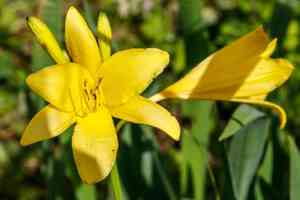
Distinguished by its vivid, trumpet-like yellow blossoms, yellow daylily flourishes with periodic trimming. Eliminate faded flowers and seed capsules to stimulate further blooming. Trim the foliage down to the soil level in the latter part of autumn. The most effective pruning occurs in early spring to encourage development. Pruning not only preserves an attractive form but also fosters robust vitality by excising ailing or injured sections, thereby curbing the dissemination of diseases and directing the plant's resources toward new, sturdy proliferation.
What Are the Benefits of Pruning Yellow Daylily?
What Are the Benefits of Pruning Yellow Daylily?
Trimming yellow daylily promotes more abundant flowering, stimulates vigorous development, and maintains a tidy shape. It is crucial for the plant's health and visual appeal.
What Is the Best Time for Pruning Yellow Daylily?
What Is the Best Time for Pruning Yellow Daylily?
This period aligns with yellow daylily's growth cycle, enabling the plant to recover and regenerate effectively. In early spring, trimming can encourage new growth as the plant emerges from dormancy. It's also the optimal time to remove any winter damage before new growth begins. Pruning during the active growing season, up until late autumn, ensures that yellow daylily can heal and produce strong blooms the following season. Avoiding winter pruning protects yellow daylily from cold damage to fresh cuts, which can compromise plant health. This schedule also prevents disrupting the flowering period, as yellow daylily typically blooms in summer. Properly timed pruning guarantees a healthier, more robust plant with maximum flowering potential.
What Tools Do I Need to Prune Yellow Daylily?
Bypass Pruners
Yellow daylily forms dense clumps, requiring clean cuts to remove spent flowers or divide the clusters. Bypass pruners are ideal as they make precise cuts without crushing the plant's delicate stems. Their blades slide past each other like scissors, minimizing harm.
Garden Scissors
For deadheading yellow daylily, garden scissors are practical due to their ease of handling. They allow for quick snips of flower stalks, encouraging the development of new buds by preventing seed formation.
Hand Shears
Once yellow daylily's blooming season concludes, hand shears can be used to trim back the foliage. These are suitable for cutting large areas uniformly and quickly, helping to revitalize the plant for the next season.
Pruning Saw
If yellow daylily has developed particularly thick clumps or old, woody stems, a pruning saw might be necessary. It enables gardeners to cut through thicker growth that bypass pruners or shears cannot manage.
Garden Knife
A sturdy garden knife is essential for dividing yellow daylily's clumps, which is a form of pruning. It helps to cleanly separate the roots without unnecessary damage, promoting healthy regrowth.
How to Prune Yellow Daylily
Step1: Identifying Spent Blooms
Locate dead or fading flowers on yellow daylily. This typically occurs after the bloom has opened and is starting to wilt or has changed color.
Step2: Trimming Dead Flowers
Using clean, sharp scissors or pruning shears, carefully cut the dead blooms at their base, just above where they connect to the main stalk. Be precise to avoid harming surrounding foliage or buds.
Step3: Inspecting Flower Stalks
After removing the bloom, examine the flower stalk for signs of yellowing or wilting, indicating it is old and unlikely to produce more flowers.
Step4: Cutting Old Stalks Diagonally
Cut the old flower stalks near their base where they emerge from yellow daylily's foliage. Make the cut at an angle to prevent water accumulation on the cut surface, which could lead to rot or disease.
Step5: Clearing Debris From Base
Remove all trimmed material from around yellow daylily to prevent pest attraction or disease development in decaying plant matter.
Step6: Removing Dead Foliage
Check yellow daylily for additional dead foliage or other plant debris that could harbor pests or diseases. Remove these as needed using the same careful cutting technique.
Step7: Watering After Pruning
After pruning, water yellow daylily if the soil is dry to support the plant's recovery and encourage healthy growth.
Step8: Fertilizing for New Growth
If pruning during the growing season, apply a balanced, slow-release fertilizer around yellow daylily's base to provide nutrients and strength for new growth.
Step9: Sanitizing Pruning Tools
Finally, sanitize your pruning tools with rubbing alcohol or a 10% bleach solution to ensure no disease spread to other plants.
Post-Pruning Care for Yellow Daylily
Post-Pruning Care for Yellow Daylily
Immediately after trimming yellow daylily, water thoroughly to reduce stress. Provide bright, indirect light, and maintain moderate humidity and temperatures between 60-70°F. A balanced, slow-release fertilizer should be applied to aid recovery. Monitor the plant for discolored leaves or wilting as signs of stress. If infection signs like rot or mold appear, treat promptly with appropriate fungicides.
Common Pruning Mistakes with Yellow Daylily
Improper Timing for Leaf Removal
Cutting back yellow daylily foliage before it yellows or browns can weaken the plant, as the leaves need time after blooming to photosynthesize and nourish the roots for next year's growth.
Neglecting to Remove Spent Bloom Stalks
Some gardeners make the error of leaving spent bloom stalks or scapes on yellow daylily, which can result in the plant putting energy into seed production rather than into the plant's health and next season's blooms.
Over Aggressive Pruning
Another common mistake is pruning yellow daylily back far too aggressively, which can hinder the plant's ability to store energy for future growth. Only remove the parts of the plant that are dead or damaged.
Common Pruning Tips for Yellow Daylily
Removing Spent Stalks to Redirect Energy
Remove the spent flower stalks of yellow daylily at the base after blooms have faded to encourage a tidy appearance and redirect energy to the roots and foliage.
Pruning Yellowed Foliage to Prevent Disease
Trim away any yellowed or brown foliage of yellow daylily late in the growing season to prevent disease and decay from affecting the rest of the plant.
Using Sharp Shears for Clean Cuts
When cutting back dead foliage, ensure to use sharp, clean pruning shears to make clean cuts on yellow daylily that will heal more rapidly and reduce the risk of disease.



