How to Prune Lenten rose?
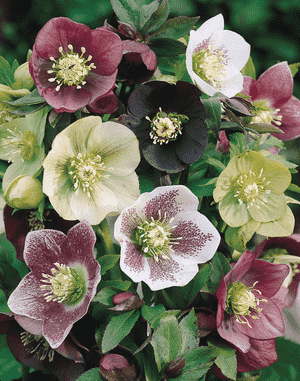
A cherished perennial admired for its winter floral displays, lenten rose thrives with trimming to eliminate withered leaves and spent blooms, thereby improving its development and aesthetic. Essential pruning techniques involve severing aged foliage in late winter or early spring, prior to the emergence of new shoots, and deadheading faded flowers. Trimming can be performed in any season, particularly for excising compromised sections. Consistent pruning deters ailments and fosters revitalization, guaranteeing lenten rose's vivid presentation annually.
Advantages of Trimming Lenten Rose
Advantages of Trimming Lenten Rose
Trimming lenten rose encourages more abundant blooms, fosters vigorous development, and maintains a neat appearance. This practice is crucial for the plant's health and optimal flower display.
Optimal Time for Trimming Lenten Rose
Optimal Time for Trimming Lenten Rose
Trimming lenten rose in late winter to early spring, just before new growth emerges, is ideal. This timing allows for the removal of any dead or damaged foliage from the previous year without impacting the current year's flowers. Lenten rose blooms on old wood from the prior year's growth, so pruning at this time prevents cutting off flower buds. After flowering is also suitable for light shaping or removing spent blossoms, which can promote further blooming and enhance plant vigor by redirecting energy from seed production to root and leaf development.
Required Tools for Trimming Lenten Rose
Bypass Hand Pruners
Perfect for making clean cuts on lenten rose's stems, which helps prevent disease and encourages healthy regrowth.
Gloves
Protects hands from lenten rose's sap and thorns that can cause skin irritation, ensuring safe trimming.
Garden Scissors
Useful for snipping off lenten rose's dead or faded flowers to encourage new growth and maintain a neat look.
Pruning Saw
Helpful for cutting through thick, woody stems of older lenten rose plants, where hand pruners might not be enough.
Leaf Scoop
Aids in removing debris and old foliage around lenten rose, maintaining a clean environment that deters pests and diseases.
How to Trim Lenten Rose
Step1: Timing for Trimming
Wait for the appropriate season to trim lenten rose. The best time is late winter to early spring, just as new growth starts to appear. This makes it easy to identify dead foliage without disrupting the plant's flowering and growth cycle.
Step2: Tool Preparation
Prepare the necessary tools for trimming lenten rose. Use clean, sharp pruning shears or scissors. Disinfect tool blades with rubbing alcohol or a 10% bleach solution to prevent disease spread.
Step3: Removing Dead Leaves
Begin with the dead leaves. Carefully inspect lenten rose for any brown, wilted, or lifeless foliage. These leaves will not recover and can be a source of disease and pests. Removing them improves air circulation and overall plant health.
Step4: Cutting Technique at Base
Locate the base of the dead leaves. Make your cuts close to the base of each leaf, but be careful not to harm the crown or any emerging buds. Cut at an angle to prevent water accumulation that could lead to rot.
Step5: Trimming Spent Flowers
Proceed to trim faded flowers on lenten rose. Identify spent flower stalks that are brown and wilted, as they will no longer produce blooms. Cutting these away will redirect lenten rose's energy to new growth and potential flowers.
Step6: Clean Cuts on Flower Stems
Cut the old flower stems near the base, taking care not to damage new growth. Aim for a clean, angled cut to ensure quick healing and reduce the chance of disease.
Step7: Disposal of Trimmed Material
After trimming the dead leaves and faded flowers, collect and dispose of the plant material. Do not compost diseased or infested plant parts, as this can spread problems to other garden areas.
Step8: Disease and Pest Inspection
Inspect lenten rose for signs of disease or pest damage on remaining foliage and flowers. Trim any additional suspicious or unhealthy parts using the same method as above.
Step9: Post-Trimming Plant Care
Monitor lenten rose after trimming for signs of stress or disease. Regularly check the plant's health, support its growth with appropriate watering, and provide a balanced fertilizer if needed.
Step10: Annual Trimming Schedule
Repeat this trimming process annually to maintain the health and appearance of lenten rose, ensuring you always trim at the correct time and follow clean techniques.
Post-Trimming Care for Lenten Rose
Post-Trimming Care for Lenten Rose
After trimming lenten rose, immediately water the soil to aid recovery. Maintain slightly shaded conditions to prevent stress from intense sunlight. Keep the surrounding environment humid, with temperatures ranging from 40-50°F for optimal recovery. Apply a balanced, slow-release fertilizer to support new growth. Monitor lenten rose for wilted or discolored foliage, which may indicate stress or infection. If any adverse signs appear, reduce sunlight exposure and check for pests or diseases, treating as necessary.
Common Trimming Errors with Lenten Rose
Excessive trimming
Removing too much foliage at once, which can stress lenten rose and hinder its growth.
Crown damage during trimming
Cutting into the crown of lenten rose while trimming, which can harm the plant's central growing point and potentially introduce disease.
Ignoring dead or diseased foliage
Neglecting diseased or dead foliage, leading to potential spread of disease and a less attractive plant.
Using unclean or dull tools
Employing dull or dirty trimming tools, which can damage plant tissues and introduce pathogens.
Improper trimming affecting shape
Trimming indiscriminately without considering the shape and structure of lenten rose, which can result in unsightly growth and impact flowering.
General Trimming Advice for Lenten Rose
Use clean, sharp trimming tools
Use clean, sharp tools to make precise cuts that will heal quickly and minimize disease risk.
Regularly remove dead and diseased foliage
Focus on removing dead and diseased leaves to maintain the health and appearance of lenten rose, doing so as you notice them to keep the plant looking neat.
Thin out dense growth for air circulation
Thin out dense growth to improve air circulation, which can reduce the likelihood of disease.
Trim above healthy leaves to encourage growth
When trimming, make cuts just above a set of healthy leaves to encourage new growth in that area.
Preserve natural plant shape when trimming
Be mindful to maintain the natural shape of lenten rose, trimming selectively to enhance its appearance rather than drastically altering its form.



