How to Prune Stinking hellebore?
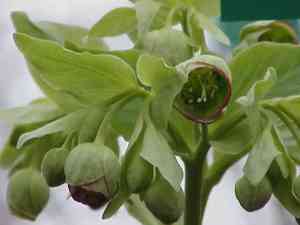
This enduring, herbaceous perennial, characterized by its campanulate, malodorous blossoms, flourishes in areas with dappled sunlight. For Helleborus foetidus, remove any withered or compromised leaves at any point, and trim spent flower stalks post-flowering to encourage development for the subsequent season, usually in the early spring or late autumn. Eliminating aged foliage in early spring revitalizes the specimen, boosting its resilience to ailments and its visual appeal. Trimming is minimal yet essential for sustaining the plant's vitality and lifespan.
Advantages of Trimming Stinking Hellebore
Advantages of Trimming Stinking Hellebore
Trimming stinking hellebore promotes robust development and helps maintain a dense, appealing form. This care method ensures stinking hellebore directs energy towards producing strong leaves and stalks, rather than sparse growth that detracts from its shape.
Optimal Period for Trimming Stinking Hellebore
Optimal Period for Trimming Stinking Hellebore
Early spring is ideal for pruning as stinking hellebore remains dormant, and removing dead or damaged foliage won't stress the plant, allowing for vigorous growth once temperatures rise. Furthermore, cutting back the plant before new growth begins helps shape it and encourages healthier, more robust foliage. In late fall, after the blooming period, pruning can help remove spent flowers and neaten the plant, which can aid in preventing disease and pest infestations during winter. It also ensures stinking hellebore allocates its energy to root and foliage development instead of maintaining seed pods, leading to a stronger plant in the subsequent growing season.
Tools Required for Trimming Stinking Hellebore
Bypass pruners
Perfect for making clean cuts on stinking hellebore's stems, these pruners operate like scissors and are less likely to crush plant tissues, encouraging healthier regrowth.
Gloves
Protective gloves are crucial when handling stinking hellebore, as certain parts of the plant can cause skin irritation.
Pruning saw
If stinking hellebore has older, woodier stems, a pruning saw might be necessary to cut through them without harming the plant.
Garden scissors
For deadheading or trimming smaller, more delicate parts of stinking hellebore, sharp garden scissors offer precision without disturbing adjacent growth.
Loppers
When reaching into stinking hellebore to prune out larger, older growth, loppers with extended handles can simplify the task and provide leverage for thicker stems.
Sanitizing solution
To prevent disease transmission during the pruning of stinking hellebore, tools should be disinfected between cuts, especially if disease is suspected.
How to Trim Stinking Hellebore
Step1: Pruning Schedule
Wait for the appropriate time to trim stinking hellebore. The best time to prune stinking hellebore is in late winter or early spring before new growth commences.
Step2: Tool Preparation and Sterilization
Prepare your pruning tools. Use clean, sharp scissors or secateurs for the task to avoid damaging stinking hellebore. Sterilize your tools with a bleach and water solution to prevent disease spread.
Step3: Dead Flower Removal
Begin by removing dead flowers. Cut the flower stalks back to the plant's base to direct energy towards new growth.
Step4: Damaged Leaf Identification and Removal
Identify and remove damaged leaves. Snip off any brown, yellow, or otherwise diseased leaves close to the base of the leaf stem. Be careful not to damage the plant's crown, as this can lead to disease.
Step5: Old Stem Cutting for Renewed Growth
Trim back old stems that have finished flowering or show signs of age, cutting them at the base near the ground. This will encourage stinking hellebore to produce fresh, healthy foliage and may also increase its flower production.
Step6: Selective Shaping of Overgrowth
Shape stinking hellebore if desired by selectively trimming back overgrown areas to maintain a balanced appearance. However, keep shaping to a minimum as stinking hellebore has a natural mounded habit.
Step7: Cleanup of Plant Debris
Clean up all trimmings from around stinking hellebore to deter pests and diseases. Dispose of the dead plant material appropriately, not in the compost if diseased.
Step8: Post-Pruning Watering
Water stinking hellebore thoroughly after pruning to help reduce plant stress and promote healthy regrowth.
Step9: Observe for New Growth
Monitor stinking hellebore for new growth, and repeat these steps annually to maintain plant health and vigor.
After-Pruning Care for Stinking Hellebore
After-Pruning Care for Stinking Hellebore
Immediately after pruning stinking hellebore, ensure clean cuts to prevent disease and apply a fungicide to protect wounds. Manage light exposure to provide partial shade, avoiding intense midday sun. Maintain humidity and temperature around stinking hellebore by mulching and providing morning sunlight. Post-pruning, enhance recovery with balanced slow-release fertilizers. Monitor stinking hellebore for wilting or discolored foliage, which may indicate stress. At signs of infection, such as blackened stems, act promptly with appropriate fungicides or bactericides.
Common Pruning Errors with Stinking Hellebore
Excessive Pruning Reduces Photosynthesis
Over-pruning, which can severely weaken stinking hellebore, as it relies on its foliage for photosynthesis throughout the year.
Improper Leaf Tip Snipping Damages Foliage
Snipping off the tips of the leaves instead of removing whole leaves or stems, which can lead to unsightly foliage and does not promote good plant health.
Too-Close Cuts Harm Growth Points and Flowering
Pruning too close to the main stem or flower buds, which can damage the plant's growth points and reduce flowering potential.
Ripped Stems Increase Disease and Pest Risks
Tearing or ripping the stems during pruning, which can create jagged edges susceptible to disease and pests.
Not Removing Dead Foliage Spread Diseases
Delaying the removal of dead or diseased foliage, which can hinder new growth and spread pathogens within stinking hellebore.
General Pruning Advice for Stinking Hellebore
Sharp Shears for Quick Healing and Disease Prevention
Use sharp, clean pruning shears to make clean cuts, which will help stinking hellebore heal more quickly and reduce the risk of disease.
Base Cuts for Healthy Plant Appearance
When removing old foliage, cut the stem at the base to tidy up the plant and improve its appearance without affecting the flower buds.
Selective Stem Removal Boosts Air Circulation
Thin out dense areas by carefully removing select stems to increase air circulation, which can help prevent foliar diseases in stinking hellebore.
Trim Flower Stalks Post-Flowering for New Growth
After flowering, trim back flower stalks to the base to encourage new growth and maintain a neat appearance.
Remove Yellowed Leaves to Promote Plant Health
Regularly inspect and promptly remove any yellowed or dead leaves to promote the health and aesthetics of stinking hellebore.
Revitalizing Cuts Should Leave Leaves for Photosynthesis
When cutting back the plant to revitalize it, always leave several sets of leaves on each stem to ensure stinking hellebore can continue photosynthesizing effectively.



