How to Prune Heliotrope?
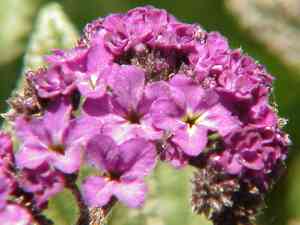
This enduring woody plant is recognized for its aromatic violet or azure floral groupings and deep green leaves. Heliotrope thrives with consistent removal of faded flowers and gentle trimming. Snip off withered blossoms to stimulate additional blooming and preserve a dense structure. Reducing the plant by one-third each spring encourages fresh development and more flowers. Trimming can occur at any point; however, significant shaping is most effectively carried out early in the cultivation period. Pruning enhances air movement, lowers the chance of illness, and boosts the heliotrope's general well-being and aesthetic appeal.
What Are the Benefits of Pruning Heliotrope?
What Are the Benefits of Pruning Heliotrope?
Trimming heliotrope promotes more robust development and flower production by reallocating resources. It helps maintain the plant's compact shape, enhancing its visual appeal and ensuring a healthier structure, less vulnerable to pests or illnesses.
What Is the Best Time for Pruning Heliotrope?
What Is the Best Time for Pruning Heliotrope?
Trimming heliotrope during spring and summer coincides with its active growth phase, fostering healthy development and revitalization. Early spring pruning after winter removes dead or damaged parts from cold stress, encouraging vigorous new growth. Summer pruning, performed after flowering, prompts heliotrope to invest energy into developing a strong framework instead of producing seeds, leading to denser foliage and potentially more blooms. These periods ensure minimal stress on heliotrope, optimal recovery, and a stronger, more attractive form.
What Tools Do I Need to Prune Heliotrope?
Bypass Pruners
Perfect for making precise cuts on heliotrope's stems, bypass pruners minimize damage to plant tissues, encouraging healthier regrowth.
Pruning Shears
Ideal for removing spent flowers and shaping heliotrope, they offer accuracy and ease of use on smaller stems and branches.
Gardening Gloves
Crucial for protecting hands from potential skin irritants in heliotrope's sap and from thorns if present.
Garden Scissors
Useful for snipping delicate blossoms or thin stems during light trimming tasks on heliotrope.
Pruning Saw
Required when dealing with older, woodier heliotrope stems that have grown thicker than what pruners can handle.
How to Prune Heliotrope
Sanitize
Before beginning, disinfect your pruning tools with alcohol or a bleach solution to prevent the spread of disease to heliotrope.
Remove Diseased Parts
Carefully cut away any diseased leaves and branches from heliotrope, making clean cuts into healthy tissue to prevent infection.
Trim Dead Material
Remove all withered leaves, dead branches, and spent flowers from heliotrope to encourage new growth and maintain a healthy plant structure.
Shape Plant
Shape heliotrope by uniformly trimming back overgrown branches to improve air circulation and light penetration throughout the plant.
Cleanup
After pruning, clear away all removed plant material from around heliotrope to reduce the likelihood of disease and pest infestation.
Common Pruning Mistakes with Heliotrope
Over-Pruning
A frequent error is removing too much of heliotrope at once. This can stress the plant and reduce its vigor, leading to diminished growth and fewer flowers.
Improper Cutting
Gardeners might make incorrect cuts either too close or too far from the nodes, resulting in damage to heliotrope or promoting disease.
Neglecting Deadheading
Failing to regularly deadhead, or remove spent blooms, can cause heliotrope to direct energy into seed production instead of new growth and flowering.
Using Dull Tools
Employing dull pruning tools can harm heliotrope's stems, creating jagged cuts that are vulnerable to infection and impede the plantâs healing process.
Ignoring Diseased Sections
Overlooking diseased or damaged sections can allow illness to spread, whereas prompt removal supports heliotrope's overall health.
Pruning Without Guide
Not following a structured approach or guide can lead to uneven growth and a less aesthetically pleasing form for heliotrope.
Common Pruning Tips for Heliotrope
Clean Cuts
Make precise cuts at a 45-degree angle just above a leaf node or a branching point to encourage healthy re-growth in heliotrope.
Regular Maintenance
Periodically inspect heliotrope for dead, diseased, or damaged stems and remove them to maintain plant health and appearance.
Deadheading
Remove spent blooms frequently to encourage heliotrope to produce more flowers and maintain a neat appearance.
Thin Out Crowded Areas
Thin out dense areas to improve air circulation, which can help prevent fungal diseases and promote stronger growth in heliotrope.
Selective Pruning
Practice selective pruning focused on shaping heliotrope and controlling its size rather than indiscriminate cutting.
Use Sharp Tools
Always use sharp, clean pruning tools to ensure precise cuts and reduce the risk of disease transmission between plants.



