How to Prune Parrot's beak?
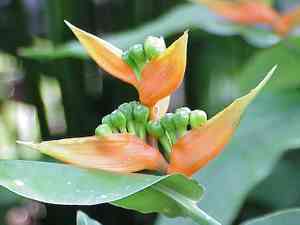
A tropical decorative plant recognized for its vivid floral structures and abundant greenery, parrot's beak flourishes with consistent trimming to preserve its form and stimulate flowering. Discard spent blossoms and withered foliage to encourage new development. Shorten elongated stems to improve density, concentrating on mature stalks, since parrot's beak tolerates pruning throughout the entire year. Pruning aids parrot's beak by averting ailments, enhancing air movement, and encouraging abundant blooms. Utilize protective gloves, as the plant's edges can be sharp and its sap might cause skin irritation.
Advantages of Trimming Parrot's Beak
Advantages of Trimming Parrot's Beak
Trimming parrot's beak promotes a greater abundance of blossoms, as it stimulates new growth in cut areas, resulting in a more vibrant floral display. Through careful trimming, gardeners can also manage the form and dimensions of parrot's beak, maintaining a tidy look while ensuring robust and vigorous development.
Optimal Period for Pruning Parrot's Beak
Optimal Period for Pruning Parrot's Beak
Pruning parrot's beak throughout the year supports its strong growth and preserves its attractive shape. Trimming at the conclusion of the flowering cycle encourages revitalization and the emergence of new blooms. This timing aligns with parrot's beak's capacity to flower multiple times annually, making any season suitable for pruning, provided it occurs shortly after the blooming phase. Routine trimming can also eliminate damaged or diseased sections of the plant, ensuring parrot's beak's health and vitality. Seasonal pruning enhances sun exposure and air circulation, which are vital for disease prevention and fostering robust growth.
Tools Required for Pruning Parrot's Beak
Hand Pruners
Perfect for cutting through the relatively soft stems of parrot's beak, allowing for precise cuts without harming the plant.
Long-Handled Loppers
Useful for reaching into dense foliage and providing the leverage needed for thicker stems sometimes found on mature parrot's beak plants.
Pruning Saw
Essential for trimming any woody stems or larger branches that may develop as parrot's beak matures, ensuring a clean cut that promotes healthy growth.
Gardening Gloves
Crucial for protecting hands from the sharp edges of parrot's beak leaves and potentially from sap, which may cause skin irritation in some individuals.
Disinfectant for Tools
Vital for sterilizing all cutting tools before and after use to prevent the spread of diseases to parrot's beak or between plants.
How to Prune Parrot's Beak
Clean Tools
Before starting to prune parrot's beak, sanitize pruning tools with alcohol or a bleach solution to prevent the spread of disease.
Remove Diseased Leaves
Carefully remove all diseased leaves from parrot's beak by cutting them at the base where the leaf stem meets the main stem, using clean, sharp pruning shears.
Remove Withered Leaves
Trim away any withered leaves from parrot's beak in a similar fashion to diseased leaves, cutting at the base of the leaf stem for a clean removal.
Cut Dead Branches
Identify and cut out any dead branches from parrot's beak, making angled cuts to allow water to run off and reduce the risk of disease. Ensure cuts are made close to the living tissue without damaging it.
Prune Diseased Branches
Prune back diseased branches on parrot's beak to healthy wood, making sure to remove the entire affected area to halt the spread of disease. Dispose of diseased material properly.
Trim Withered Flowers
Remove withered flowers from parrot's beak by snipping them off just above the first healthy set of leaves below the flower head to encourage new growth.
Common Pruning Errors with Parrot's Beak
Overpruning
Removing too much foliage or too many stems at once can stress parrot's beak, leading to reduced flowering and vigor.
Blunt Tool Use
Using dull or unclean pruning tools can damage the stems of parrot's beak, making them more susceptible to disease.
Improper Cut Location
Cutting too far from a node can leave a stub that risks pest infestation or disease, while cutting too close can damage the emerging shoot.
Neglecting Dead Material
Failing to remove dead or diseased leaves and stems can hinder parrot's beak's growth and health, as it provides a breeding ground for pests and diseases.
Disregarding Plant Structure
Ignoring the natural shape and growth pattern of parrot's beak during pruning may lead to an unbalanced appearance and weakened structure.
General Pruning Advice for Parrot's Beak
Clean Tools
Always use sharp, clean pruning shears to make clean cuts on parrot's beak and reduce the risk of transmitting diseases.
Selective Pruning
Focus on pruning only the necessary parts of parrot's beak, such as dead or diseased material, to promote healthy growth and flowering. Spare new shoots to encourage blooming.
Cutting Technique
Make angled cuts just above a leaf node or junction, so water runs off the cut and minimizes the risk of rot or disease in parrot's beak.
Post-Pruning Care
After pruning, provide parrot's beak with adequate water and consider applying a balanced fertilizer to support recovery and new growth.
Periodic Inspection
Regularly check parrot's beak for dead or diseased foliage and prune as necessary to maintain plant health and aesthetics, regardless of the pruning season.



