How to Prune Jerusalem artichoke?
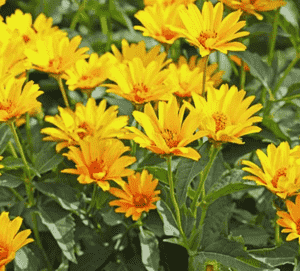
Jerusalem artichoke, a perennial plant known for its edible tubers, needs only light trimming to encourage robust development and yield. Essential methods involve eliminating faded blooms and compromised stalks. Perform pruning in early spring prior to the emergence of new shoots or in late summer following the blooming period. A crucial point is to refrain from pruning too late, as this can hinder the formation of tubers. The advantages of pruning encompass improved air movement and a decreased likelihood of illness. For cultivators, consistent upkeep guarantees a plentiful yield.
What Are the Benefits of Pruning Jerusalem Artichoke?
What Are the Benefits of Pruning Jerusalem Artichoke?
Trimming jerusalem artichoke promotes vitality and helps maintain its desired shape, preventing it from overshadowing smaller plants. It also encourages fresh growth, potentially leading to a more robust and productive plant.
What Is the Best Time for Pruning Jerusalem Artichoke?
What Is the Best Time for Pruning Jerusalem Artichoke?
Trimming jerusalem artichoke in early spring is advisable as the plant is emerging from dormancy and has not yet begun its active growth phase, allowing the gardener to shape the plant and remove any dead or damaged stems before new growth starts. This timing minimizes plant stress and promotes healthy, vigorous growth throughout the growing season. Late summer pruning benefits jerusalem artichoke by enabling the removal of stems that have already produced flowers and tubers, redirecting the plant's energy towards the development of the remaining stems and tubers before the growing season ends. This ensures jerusalem artichoke has ample time to recover and strengthen before entering winter dormancy, fostering overall plant health and productivity.
What Tools Do I Need to Prune Jerusalem Artichoke?
Hand Pruners
Jerusalem artichoke stems can be easily cut with hand pruners, which are perfect for making clean cuts on smaller stems, ensuring the plant's quick recovery after trimming.
Loppers
For older or tougher jerusalem artichoke stems that hand pruners can't manage, loppers are the suitable tool due to their long handles and increased leverage, making it easier to cut thicker stems up to 2 inches in diameter.
Pruning Saw
If jerusalem artichoke has developed particularly thick stems, a pruning saw might be necessary. It is designed to cut through larger branches that loppers cannot handle.
Gloves
Though not a cutting tool, gloves are crucial for protecting the gardener's hands from potential irritation when trimming jerusalem artichoke, as the stems can be rough and cause skin discomfort.
How to Prune Jerusalem Artichoke
Step1: Tool Preparation and Sterilization
Wear appropriate gardening gloves and use clean, sharp pruning shears or secateurs. Sterilize the tools before use to prevent disease spread.
Step2: Dead Stem Identification
Locate the dead stems on jerusalem artichoke. These will appear brown and dried, unlike the green, vibrant stems of healthy growth.
Step3: Dead Stem Pruning
Cut the dead stems at their base where they meet healthy tissue or just above ground level if the entire stem is dead. Make the cut at a slight angle to prevent water accumulation on the stub, which can lead to rot.
Step4: Yellow Leaf Trimming
Look for yellow leaves, indicating older or unhealthy foliage. Trim these leaves close to the stem, avoiding damage to adjacent healthy leaves or stems.
Step5: Withered Branch Pruning
Identify withered branches, which may result from stress, disease, or natural aging. Prune these branches back to a main stem or a healthy set of leaves. If the branch is large or heavy, make a first cut halfway through the underside of the branch a few inches from the trunk to prevent tearing.
Step6: Final Cut of Withered Branch
Make a final cut on the withered branch, removing it cleanly without leaving a stub. This cut should be just outside the branch collar – the swelling where the branch meets the trunk or another branch.
Step7: Shaping and Thinning
After pruning dead stems, yellow leaves, and withered branches, shape jerusalem artichoke if needed to maintain its appearance and improve light penetration and air circulation. Trim lightly around the edges to create the desired shape, but avoid heavy pruning as this can stress the plant.
Step8: Clipping Disposal
Once all necessary parts are pruned, remove the clippings from around jerusalem artichoke to deter pests and diseases.
Step9: Post-Pruning Watering and Fertilizing
Water jerusalem artichoke appropriately after pruning to encourage healthy new growth, and apply a balanced fertilizer if it is the growing season to provide essential nutrients.
Step10: Health Monitoring
Monitor jerusalem artichoke regularly for any signs of pests or diseases and address them promptly to maintain plant health.
Post-Pruning Care for Jerusalem Artichoke
Post-Pruning Care for Jerusalem Artichoke
Immediately after trimming jerusalem artichoke, water the soil to aid recovery, ensuring no waterlogging occurs. Ensure jerusalem artichoke receives full sun, maintaining ambient temperatures between 65-90°F. Adjust humidity to moderate levels to prevent fungal growth. Apply a balanced fertilizer to replenish nutrients, following product instructions. Regularly inspect jerusalem artichoke for wilting, discoloration, or pest presence. If symptoms appear, treat promptly with recommended horticultural methods.
Common Pruning Mistakes with Jerusalem Artichoke
Over-Pruning in One Session
Trimming too much at once, which can shock jerusalem artichoke plants and potentially lead to reduced vigor or even death. It's crucial not to remove more than a third of the plant in a single pruning session.
Incorrect Cutting into Old Wood
Cutting into old wood where no new shoots are present can result in less productive jerusalem artichoke plants. Pruning should focus on areas where new growth can be stimulated.
Ignoring Dead or Diseased Stems
Neglecting to remove dead or diseased stems, which can hinder healthy growth and potentially spread disease throughout jerusalem artichoke plants. It's vital to regularly inspect and remove any unhealthy parts.
Common Pruning Tips for Jerusalem Artichoke
Use Clean, Sharp Pruning Tools
Use clean, sharp tools to make precise cuts. This ensures healthy healing and reduces the chances of disease entering the pruned areas of jerusalem artichoke.
Prune After Flowering to Base
Trim the stems of jerusalem artichoke to the base after flowering and when the stems begin to die back. This helps to redirect energy to the development of the tubers and can enhance the next year's growth.
Thin Out Weakest Stems for Health
When thinning out jerusalem artichoke, focus on removing the weakest stems to improve air circulation and light penetration, which helps in reducing the risk of fungal diseases and encourages stronger growth in the remaining stems.



