How to Prune Prairie Sunflower?
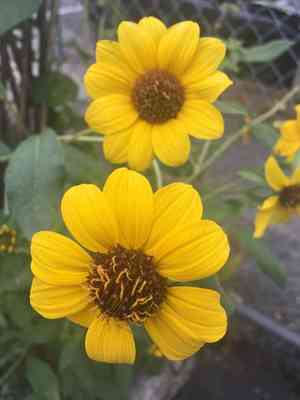
A perennial species indigenous to the region, recognized for its yellow, daisy-like blossoms, prairie Sunflower flourishes in bright, open grassland settings. Regularly remove any deceased or compromised stems to stimulate development and uphold its form. Removing faded blooms encourages subsequent flowering. The most effective time for pruning is in spring to eliminate winter-related harm, with supplementary minor trimming in summer and autumn to sustain vigor. Pruning enhances air movement, diminishes the likelihood of disease, and boosts its aesthetic value. Employ sanitized, sharp implements for accurate cuts to prevent stressing the plant.
Advantages of Trimming Prairie Sunflower
Advantages of Trimming Prairie Sunflower
Trimming prairie Sunflower encourages strong development and maintains its form. By carefully removing plant sections, nutrients are directed towards new, vigorous growth, improving overall plant vitality and health. Trimming also keeps prairie Sunflower contained in size, ensuring a neat look in the garden.
Optimal Time for Trimming Prairie Sunflower
Optimal Time for Trimming Prairie Sunflower
Trimming in late spring coincides with the period after dormancy, when prairie Sunflower begins active growth, promoting a strong flush of new shoots and blooms. Early summer trimming can be beneficial for shaping the plant and removing spent flowers to encourage continuous blooming. Early autumn is also suitable for light trimming to help the plant retain its shape and prepare for winter dormancy; however, extensive trimming should be avoided to prevent new growth that might be susceptible to frost.
Tools Required for Trimming Prairie Sunflower
Hand pruners
Perfect for cutting stems and branches of prairie Sunflower less than 3/4 inch thick, allowing for clean and accurate cuts.
Pruning shears
Useful for shaping prairie Sunflower and managing excessive growth, especially for reaching into dense foliage without harming the plant.
Long-handled loppers
Effective for cutting thicker branches of prairie Sunflower up to 2 inches in diameter, providing extra leverage and reach.
Gardening gloves
Essential for protecting the gardener's hands from thorns and rough plant material while trimming prairie Sunflower.
Pruning saw
Used for larger branches of prairie Sunflower that are too thick for hand pruners and loppers, ensuring clean cuts on woody growth.
Garden scissors
Convenient for deadheading and snipping small stems or delicate flowers of prairie Sunflower for selective thinning.
How to Trim Prairie Sunflower
Clean Tools
Before beginning, sanitize pruning shears or scissors to prevent disease spread to prairie Sunflower.
Identify Withered Leaves
Examine prairie Sunflower for any withered or dead leaves that may be brown, dry, and brittle.
Cut Withered Leaves
Use the clean shears to snip the withered leaves at their base where they meet the stem or main branch, being careful to avoid healthy tissue.
Dispose Withered Leaves
Remove and properly dispose of withered leaves to reduce the risk of disease or pest infestation around prairie Sunflower.
Monitor Plant Health
Regularly observe prairie Sunflower after trimming for signs of new growth and overall health, making additional trims as needed.
Common Trimming Errors with Prairie Sunflower
Over-trimming
Cutting back too much of prairie Sunflower's foliage or stems can weaken the plant. It's important to limit trimming to dead or damaged stems and to avoid removing more than one-third of the plant's total volume during a single trimming session.
Incorrect Cut Placement
Making cuts too far from bud sites or leaf nodes can result in unnecessary wounds and increase disease risk. Cuts should be made just above these areas, at a 45-degree angle to promote healthy regrowth.
Dull Tools
Using blunt blades can crush the stems of prairie Sunflower, instead of making a clean cut. This can damage the plant's vascular system and hinder proper healing and regrowth.
Neglecting Sanitation
Failing to sterilize tools between plants can spread pests and diseases. It's crucial to disinfect trimming equipment before moving on to trim another prairie Sunflower or different plants.
Ignoring Plant Condition
Trimming at the wrong time, such as when the plant is stressed due to drought or other factors, can further harm the health of prairie Sunflower. Trimming should be done when the plant is robust and can recover easily.
General Trimming Advice for Prairie Sunflower
Selective Trimming
Target only dead, diseased, or damaged stems for removal. This allows prairie Sunflower to direct energy toward healthy growth and conserves the plant's strength.
Angled Cuts
Make trimming cuts at a 45-degree angle just above a bud or leaf node to promote water runoff and reduce the risk of disease.
Tool Maintenance
Use sharp, clean trimming shears for precise cuts that will heal more rapidly, helping to minimize stress on prairie Sunflower and prevent disease entry.
Consistent Cutting Height
Cutting stems back to a uniform height encourages even growth and maintains the plant's natural shape. This results in a more aesthetically pleasing appearance for prairie Sunflower.
Post-Trimming Care
After trimming, provide prairie Sunflower with adequate water and, if necessary, a light application of fertilizer to support recovery and new growth.



