How to Prune Sneezeweed?
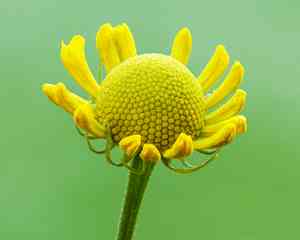
Helenium, a perennial recognized for its vivid, daisy-like blossoms, flourishes with consistent trimming. Following the initial severe frost, reduce stems to 6 inches to foster robust spring development. Remove faded blooms to stimulate ongoing flowering. Perform pruning in early spring for structural maintenance and size control. This variety benefits from separation every 2-3 years to revitalize growth and avert excessive density. Trimming improves air movement, lowers the chance of illness, and guarantees abundant blooms.
What Are the Benefits of Pruning Sneezeweed?
What Are the Benefits of Pruning Sneezeweed?
Trimming sneezeweed promotes more abundant flowering and robust development. Strategic cuts manage the plant's form, enhancing its visual appeal and fostering strong health by improving air circulation.
What Is the Best Time for Pruning Sneezeweed?
What Is the Best Time for Pruning Sneezeweed?
In early spring, sneezeweed is still inactive, and trimming can help shape it and remove any dead or damaged foliage before new growth starts. This directs the plant's energy into producing strong new shoots. Pruning before the growing season can also lessen the chance of disease spread, as many pathogens are less active in cooler weather. Pruning in late fall, after sneezeweed has finished blooming and is entering dormancy, is ideal for removing spent flowers and any diseased or excess growth. This cleanup helps prevent disease carryover to the next season and encourages a healthier, more vigorous plant the following year. Seasonal pruning aligns with sneezeweed's growth cycle to ensure it remains productive and attractive.
What Tools Do I Need to Prune Sneezeweed?
Bypass Pruners
Perfect for making precise cuts on the green, living stems of sneezeweed, bypass pruners create a clean incision that encourages healthy regrowth. They are particularly useful for deadheading faded flowers and trimming thinner stems.
Long-Handled Loppers
For areas that are harder to reach or for thicker stems requiring more leverage, long-handled loppers are an excellent option. Their extended handles provide reach and increased cutting power without causing undue strain.
Pruning Saw
If sneezeweed has developed woody, thick stems too large for pruners and loppers, a pruning saw is essential. The saw allows for accurate cuts on thicker branches, ensuring plant health and gardener safety.
Gardening Gloves
To shield hands from scratches and potential skin irritants when pruning sneezeweed, gardening gloves are crucial. This protection is especially important when deadheading or cutting back the plant.
Pruning Shears (Anvil-type)
While less effective for green, living stems, anvil-type pruning shears can be useful for cutting dead wood or for more demanding pruning tasks. However, caution is advised when using them on sneezeweed to avoid crushing delicate stems.
How to Prune Sneezeweed
Step1: Assess Dead Flowers
Start by evaluating sneezeweed for spent blooms, typically found after the flowering period in autumn. Identify faded or browned flower heads that no longer enhance the plant's appearance.
Step2: Snip Off Dead Heads
Using clean, sharp pruning shears, remove the dead flower heads. Make precise cuts just above a leaf set or a new bud to promote further blooming and prevent disease.
Step3: Examine Damaged Stems
Inspect sneezeweed for any withered or damaged stems. These can be identified by discoloration, brittleness, or any signs of disease or pest infestation.
Step4: Remove Withered Stems
Cut back the withered stems to the plant's base or to the point of healthy growth. This will help direct energy towards healthier parts of sneezeweed and stimulate new growth.
Step5: Cut Back Old Growth
Locate old growth on sneezeweed, which may appear woody and less vigorous. It is often found at the plant's base or in the center where less light penetrates.
Step6: Prune Base and Center
Prune away old growth at the base, being careful not to harm new shoots. This action helps to rejuvenate sneezeweed, allowing for better air circulation and sunlight penetration.
Step7: Shape the Plant
After trimming, shape sneezeweed by evening out any disproportionately long stems to maintain a pleasing form. Ensure to keep the plant's natural shape in mind for aesthetic pruning.
Step8: Dispose of Trimmings
Discard all trimmings away from sneezeweed to reduce the risk of disease. Do not compost diseased plant material as this can spread pathogens.
Step9: Water Post-Pruning
Water sneezeweed sufficiently after pruning to aid recovery, but avoid overwatering which can lead to root rot, especially for sneezeweed which prefers well-drained soil.
Step10: Monitor Plant Health
Monitor sneezeweed after pruning for signs of new growth or any issues. Continue to provide care through appropriate watering, mulching, and feeding to promote overall health and vigorous growth.
Post-Pruning Care for Sneezeweed
Post-Pruning Care for Sneezeweed
After pruning sneezeweed, promptly water the base, avoiding overhead irrigation to prevent disease. Position sneezeweed to receive full sun, ensuring adequate light for photosynthesis and avoiding high humidity that can foster pathogens. Maintain a consistent temperature range suitable for sneezeweed to avoid stress. Apply a balanced, slow-release fertilizer to replenish nutrients. Monitor sneezeweed for wilting, yellowing, or unusual spots indicating stress or infection, and promptly treat with appropriate fungicides or insecticides.
Common Pruning Mistakes with Sneezeweed
Over-Pruning
Removing too much at once, which can stress sneezeweed and diminish its vigor and blooming potential.
Using Blunt or Unclean Tools
Employing dull or dirty pruning tools, which can result in jagged cuts and heighten the risk of disease.
Neglecting Diseased or Damaged Stems
Ignoring diseased or damaged stems during pruning, which can allow problems to persist or spread.
Improper Cutting Techniques
Cutting stems at incorrect angles or leaving behind long stubs, which can impede the plant's ability to heal and encourage new growth.
Lack of Pruning Objectives
Pruning without a clear goal, leading to an undesirable plant shape or size.
Common Pruning Tips for Sneezeweed
Clean, Sharp Cuts for Quick Healing
Use sharp, clean pruning shears to make precise cuts that sneezeweed can quickly recover from, reducing the risk of disease.
Remove Only Harmful Stems
Focus on removing only dead, diseased, or damaged stems, as well as spent flowers to encourage reblooming and proper air circulation.
Correct Angle and Position of Cuts
Prune stems at a 45-degree angle just above an outward-facing bud or leaf node to promote outward growth and prevent water accumulation on the cut surface.
Thinning for Light and Airflow
Thin out the center of sneezeweed if it becomes too dense, to improve light penetration and air flow, which helps reduce the likelihood of fungal infections.
Respect Plant's Natural Shape
Maintain the natural shape of sneezeweed by pruning incrementally and observing the plant's growth patterns before making each cut.



