How to Prune French honeysuckle?
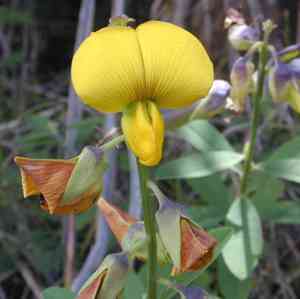
To ensure the well-being and aesthetic appeal of this perennial legume, recognized by its vibrant crimson blossoms, occasional targeted trimming is beneficial. Throughout the year, remove any lifeless or ailing branches as necessary. Following the blooming period, cut back new shoots by approximately one-third to foster a denser form and control its dimensions. In late winter, prune any lignified stems to preserve its structure. Consistently eliminating aged stems stimulates robust development and enhances air movement, thereby optimizing the plant's capacity for abundant flowering in its subsequent season.
What Are the Benefits of Pruning French Honeysuckle?
What Are the Benefits of Pruning French Honeysuckle?
Trimming french honeysuckle promotes abundant flowering and robust development, while also maintaining its desired dimensions and form for visual appeal and garden layout consistency.
What Is the Best Time for Pruning French Honeysuckle?
What Is the Best Time for Pruning French Honeysuckle?
The optimal period to prune french honeysuckle is from late winter to early spring, ensuring the plant is cut back before new growth emerges. This timing follows french honeysuckle's dormant phase, minimizing stress and facilitating better wound recovery. Pruning during this window lowers the risk of disease and pest infestations, which are more prevalent in warmer months. Trimming in these seasons also allows gardeners to effectively shape the plant without disrupting its natural flowering cycle, typically from late spring to summer. Pruning after the bloom period enables french honeysuckle to conserve energy and focus on growth and the subsequent season's flowers.
What Tools Do I Need to Prune French Honeysuckle?
Hand Pruners
Perfect for severing stems and branches up to 3/4 inches in diameter, hand pruners ensure clean cuts without causing unnecessary harm to the french honeysuckle. They are suitable for shaping the plant and removing dead or diseased parts.
Loppers
Featuring longer handles and increased leverage, loppers are ideal for reaching higher or deeper into the french honeysuckle and cutting thicker branches, up to 2 inches in diameter. They help maintain the plant's overall structure without straining the user.
Pruning Saw
For mature french honeysuckle with branches exceeding 2 inches in thickness, a pruning saw is essential. Its sharp teeth can easily cut through dense wood, allowing for proper removal of large branches without tearing the bark.
Gloves
To safeguard hands from thorns and splinters when pruning the french honeysuckle, wear sturdy gardening gloves. This ensures a safer pruning experience.
Pruning Shears (for fine shaping)
For detailed work on the french honeysuckle, such as shaping and size control, pruning shears allow the gardener to make precise cuts on smaller twigs and foliage.
How to Prune French Honeysuckle
Clean tools
Sanitize pruning implements prior to use to prevent the spread of illness to french honeysuckle. Wipe the blades with an alcohol solution or a bleach-water mixture.
Remove disease
Precisely remove all diseased leaves and branches from french honeysuckle using clean cuts. Carefully dispose of them away from healthy plants to avoid contamination.
Cut withered
Neatly snip off any withered leaves and dead branches to encourage healthy growth and air circulation within french honeysuckle. This will also enhance its appearance.
Prune flowers
Carefully snip away any spent flowers at their base to encourage new blooms on french honeysuckle. Make the cut just above new buds or leaf nodes.
Shape plant
Finally, shape french honeysuckle by selectively trimming branches to maintain its natural form and density. Avoid excessive pruning to prevent stress on the plant.
Common Pruning Mistakes with French Honeysuckle
Overpruning
Removing too much plant material at once can stress french honeysuckle, impeding its ability to produce flowers and thrive. Itâs important not to cut back more than one-third of the plant's total volume during a single pruning session.
Improper cut placement
Cutting too far from a bud or node, or too close to it, might either leave a portion of stem that dies back, leading to disease, or harm the emerging bud. Cut just above a bud or branching point with a slight angle away from the bud to encourage proper growth.
Blunt or dirty tools
Using dull or improperly cleaned tools can cause jagged cuts that are more susceptible to pests and diseases. Always use sharp pruning shears and clean them before and after use to ensure clean cuts and reduce the risk of disease.
Neglecting deadheading
Failing to remove spent blooms can lead to a decrease in new blossoms. Deadheading encourages french honeysuckle to produce more flowers and prevents the plant from wasting energy on seed production.
Aggressive back cutting
Severely cutting back french honeysuckle during the growing season can remove potential flowering stems, reducing bloom production. Pruning should aim to shape the plant and foster new growth without excessively removing flowering stems.
Common Pruning Tips for French Honeysuckle
Selective pruning
Focus on thinning out overcrowded areas to increase air circulation and light penetration, which can help prevent disease and promote healthier growth. Remove only the most crowded or least productive stems.
Target dead diseased material
Regularly remove dead, damaged, or diseased stems to maintain the health of french honeysuckle. This not only improves the plantâs appearance but also helps prevent the spread of disease.
Encourage new growth
Snip off the tips of young shoots to stimulate branching, which leads to a denser, fuller plant. Make the cuts just above a set of leaves or a bud that is facing the direction you want the new growth to take.
Maintain natural shape
Respect the natural growth habit of french honeysuckle when pruning. Avoid over-formalizing the shape, which can impede its natural grace and flowering potential.
Post-flowering trim
After the main bloom period, lightly trim french honeysuckle to remove spent flowers and encourage a potential second flush of blooms. Make sure to leave enough foliage for photosynthesis and energy storage.



