How to Prune English ivy?
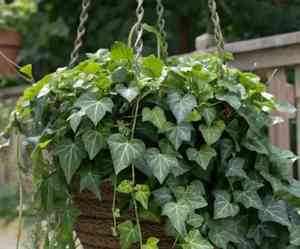
This perennial climber flourishes in both interior and exterior environments, recognized for its ability to ascend and spread as ground cover. For english ivy, consistent trimming preserves its form and fosters denser foliage. Trim any excessively long or undesirable tendrils in early spring or late winter to manage its dimensions and prevent aggressive spreading. Always employ sharp cutting tools to avoid harm. Trimming encourages fresh, more vigorous development, aids in pest management, and stops english ivy from dominating other vegetation.
What Are the Benefits of Pruning English Ivy?
What Are the Benefits of Pruning English Ivy?
Trimming english ivy promotes vigorous development and maintains its desired form, ensuring the plant remains visually appealing and manageable within the landscape.
What Is the Best Time for Pruning English Ivy?
What Is the Best Time for Pruning English Ivy?
Late winter and early spring are considered optimal times to prune english ivy because the plant is either still dormant or just beginning to emerge from dormancy. This timing minimizes stress on the plant, allowing for healthier regrowth without disrupting its natural growth cycle. Pruning before new growth appears helps direct the plant's energy toward producing fresh, vibrant foliage instead of sustaining old or overgrown sections. Furthermore, since english ivy lacks a significant flowering period that gardeners need to consider, pruning can focus on managing its size, shape, and overall health without risking the loss of a blooming season.
What Tools Do I Need to Prune English Ivy?
Hand pruners
Perfect for making accurate cuts on english ivy, which often has smaller stems easily managed with this tool.
Pruning shears
Suitable for trimming back overgrown sections of english ivy, enabling selective shaping and control of the plant's growth.
Hedge shears
Effective for shaping english ivy when utilized as a ground cover or hedge, providing a method to quickly trim larger areas.
Long-reach pruners
Useful for cutting english ivy in difficult-to-access spots due to its climbing habit, eliminating the need for a ladder.
Gardening gloves
Essential for protecting hands from the potentially skin-irritating sap of english ivy during the pruning process.
How to Prune English Ivy
Step1: Tool Preparation and Sterilization
Prepare your pruning implements. Sanitize shears or scissors with a solution of 1 part bleach to 9 parts water to prevent disease transmission. Ensure tools are sharp to make clean cuts without harming english ivy.
Step2: Protective Gear for Skin Irritants
Wear gardening gloves to shield your skin from english ivy's sap, which can cause irritation in some individuals.
Step3: Identify and Manage Overgrowth
Locate overgrown vines. Look for vines that exceed the desired boundaries of their growing area or are encroaching on other plants. The aim is to maintain the shape and size of english ivy according to your garden design's intent.
Step4: Angled Cuts for Growth Control
Trim overgrown vines by making angled cuts 1/4 inch above a leaf node. This will encourage new growth and help maintain a fuller shape. For lengthy vines, cut back to the preferred length, keeping in mind the overall form you wish to preserve for english ivy.
Step5: Dead Vine Identification
Search for dead vines, which will appear brown and brittle, unlike the healthy green of living stems. Dead material will not show signs of new growth or leaves.
Step6: Safe Removal of Dead Vines
Carefully remove dead vines by cutting them at the point where they connect with healthy tissue. Do not pull dead vines away, as this could damage the living parts of english ivy.
Step7: Disease Inspection on Vines
Examine english ivy for indications of disease, which might include unusual spots on leaves, discoloration, or abnormal growths. Diseased vines should be removed to prevent the spread of infection.
Step8: Diseased Vine Removal and Tool Sterilization
Cut diseased vines well beyond the affected sections. Sterilize cutting tools after each cut when dealing with diseased parts to prevent transmission to healthy parts of english ivy. Dispose of diseased clippings properly and avoid composting them.
Step9: Post-Pruning Cleanup
After pruning, clear away fallen debris from english ivy to prevent it from becoming a breeding ground for pests or diseases.
Step10: Post-Pruning Hydration
Lightly water english ivy after pruning if the soil is dry. This will help reduce stress on the plant and allow it to recover more quickly from pruning.
Step11: Monitoring for Regrowth
Observe english ivy after pruning for signs of new growth. New shoots should emerge from the leaf nodes where cuts were made, indicating a healthy response to pruning.
Step12: Regular Pruning Schedule
Prune english ivy regularly, ideally once or twice a year, to keep it healthy, in shape, and within its designated space. This will also help to prevent future overgrowth and minimize the need for extensive pruning.
Post-Pruning Care for English Ivy
Post-Pruning Care for English Ivy
Immediately after trimming english ivy, lightly water to alleviate stress. Position english ivy in moderate, indirect light and maintain consistent temperature and humidity levels to aid recovery. Fertilize english ivy sparingly with a balanced fertilizer to encourage new growth. Monitor english ivy for wilting, discoloration, or infection, which indicate stress or disease. If symptoms appear, adjust care and consult a plant specialist for potential treatments.
Common Pruning Mistakes with English Ivy
Overly Aggressive Pruning
Cutting back too severely, which can harm english ivy or cause it to grow in an undesirable direction.
Using Blunt or Dirty Tools
Employing dull or unclean pruning tools, which can result in ragged cuts and increased vulnerability to diseases.
Lack of Pruning Strategy
Pruning without a clear objective or plan, leading to a misshapen or improperly sized english ivy.
Ignoring Dead Foliage
Failing to remove dead or dying foliage, which can impede new growth and the plant's overall vitality.
Disregarding Growth Habit
Neglecting to consider the plant's natural growth pattern, which can lead to an unnatural appearance and reduced vigor.
Common Pruning Tips for English Ivy
Sharp, Clean Cuts with Shears
Always use sharp, clean pruning shears to make precise cuts that promote quick healing for english ivy.
Thinning for Light and Air Flow
Focus on thinning out areas where english ivy is overcrowded to ensure adequate light and air circulation, which will reduce the risk of disease.
Pruning for Healthy Branching
Prune back to a healthy set of leaves to encourage branching, which can lead to a fuller and more robust english ivy.
Remove Dead or Diseased Parts First
Remove any dead, damaged, or diseased parts of english ivy first before shaping for aesthetic purposes.
Respect Plant's Natural Shape
When shaping english ivy, follow its natural growth pattern, and avoid removing more than one-third of the plant's overall mass in a single pruning session.



