How to Prune Persian ivy?
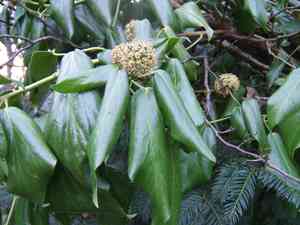
This perennial vine, celebrated for its abundant greenery and robust development, flourishes across diverse environments. For persian ivy, consistent trimming preserves its form and stimulates robust development. Perform pruning in late winter or early spring, prior to the appearance of new foliage. Essential methods involve shortening elongated stems and eliminating withered or compromised leaves to improve its aesthetic and deter ailments. Special note: Excessive pruning may diminish the plant's resilience; trim judiciously for optimal outcomes.
Advantages of Trimming Persian Ivy
Advantages of Trimming Persian Ivy
Trimming persian ivy encourages robust development by eliminating overgrown and undesirable sections, ensuring vitality is directed to healthy parts. It aids in maintaining the desired form for aesthetic appeal and prevents the plant from becoming invasive.
Optimal Time for Trimming Persian Ivy
Optimal Time for Trimming Persian Ivy
Trimming persian ivy in late winter or early spring aligns with the plant's dormant phase, prior to the start of the new growth cycle. This timing prevents stress and minimizes sap loss, which assists in faster recovery. Furthermore, the absence of leaves provides better visibility for removing dead or damaged portions, fostering healthier growth and preserving the desired shape. It also avoids cutting off the upcoming spring growth, which includes flowering and potentially fruiting parts essential for the plant's reproduction and visual charm.
Tools Required for Trimming Persian Ivy
Bypass Pruners
Perfect for making precise cuts on persian ivy's smaller stems, ensuring clean cuts that encourage healthy regrowth.
Lopping Shears
Useful for cutting through persian ivy's thicker stems and branches, providing the extra leverage needed for larger diameter cuts.
Pruning Saw
Essential for removing persian ivy's mature, woody stems and large branches that exceed the capacity of loppers.
Hedge Shears
Suitable for shaping persian ivy and trimming a large quantity of small, delicate stems quickly and efficiently.
Gloves
Crucial for protecting hands from persian ivy's potential skin irritants and sharp edges during pruning activities.
How to Trim Persian Ivy
Clean Tools
Before trimming persian ivy, sanitize pruning tools to prevent disease spread. Use a solution of 1 part bleach to 9 parts water to wipe down blades.
Inspect
Examine persian ivy for signs of damage or disease. Look specifically for diseased leaves and withered leaves that require pruning.
Snip Diseased Leaves
Using clean secateurs or scissors, carefully snip off diseased leaves at their base where they meet the stem. Do not tear the leaves to avoid injuring persian ivy.
Remove Withered Leaves
Remove withered leaves from persian ivy by gently pruning them at the stem, taking care not to harm nearby healthy foliage or nodes where new growth could emerge.
Dispose Material
Properly dispose of all pruned material away from healthy plants to prevent contamination. Do not compost diseased or withered leaves from persian ivy.
Common Trimming Errors with Persian Ivy
Over-Trimming
Removing too much foliage at once can stress persian ivy, leading to reduced vigor and increased susceptibility to diseases and pests.
Incorrect Tool Use
Using dull or dirty pruning tools can result in jagged cuts or introduce diseases to persian ivy.
Neglecting Shape
Failing to consider the natural shape of persian ivy during pruning can result in an unattractive appearance and hinder the plant's growth pattern.
Ignoring Health
Cutting without first assessing the health of persian ivy might mean missing signs of disease or pests that should be addressed before any pruning.
Excessive Caution
Being too hesitant to remove dead or damaged growth can prevent persian ivy from directing its energy towards producing healthy foliage.
General Trimming Advice for Persian Ivy
Sharp Tools
Ensure pruning tools are sharp and clean before making any cuts to promote quick healing and prevent disease spread.
Judicious Cuts
Focus on removing dead, diseased, or damaged growth, ensuring that cuts are made cleanly without tearing the plant tissue.
Consider Growth
Understand the growth pattern of persian ivy to prune in a way that directs growth where desired, maintaining the plant's natural form.
Staggered Approach
Spread out pruning over a period, especially for larger specimens of persian ivy, to avoid shocking the plant and to allow for recovery.
Rejuvenation
For mature persian ivy, consider more aggressive pruning to rejuvenate and encourage fresh growth. However, do so carefully and over time if needed.



