How to Prune Firebush?
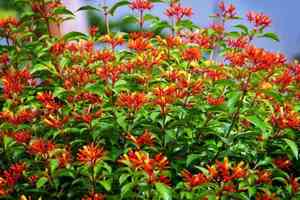
This perennial woody plant, recognized for its crimson, tube-shaped blossoms and appeal to beneficial insects, flourishes with judicious trimming. For firebush, shorten elongated branches and eliminate lifeless or injured sections to preserve its form and foster denser development. Perform pruning following the primary flowering phase in late spring or early summer to revitalize the plant and stimulate subsequent blooms. Refrain from extensive cutting, as this can diminish floral production. Trimming aids firebush by improving air movement and lowering the likelihood of ailments, guaranteeing a lively presentation.
What Are the Benefits of Pruning Firebush?
What Are the Benefits of Pruning Firebush?
Trimming firebush promotes abundant blooming and aids in preventing pests and diseases, sustaining the plant's vigor and visual appeal.
What Is the Best Time for Pruning Firebush?
What Is the Best Time for Pruning Firebush?
These periods are considered ideal for trimming firebush because late spring and early summer typically follow the last frost, when the plant begins its active growth. Pruning then allows firebush to recover quickly and direct energy into new growth, resulting in a fuller, more attractive form. Additionally, late spring pruning ensures any winter damage can be assessed and removed, crucial for the plant's overall health. Early summer pruning, conversely, can stimulate a second bloom in regions where firebush may flower multiple times per season. It also helps prevent the plant from becoming too leggy or overgrown, as growth is robust during this time. Pruning during these specific windows aligns with the plant's natural growth cycle while avoiding the stress on firebush that could result from fall or winter pruning.
What Tools Do I Need to Prune Firebush?
Hand Pruners
Perfect for clipping thinner stems and twigs of firebush, providing precision and control for shaping.
Loppers
Useful for cutting through thicker branches of firebush that hand pruners cannot manage, offering leverage for branches up to two inches in diameter.
Pruning Saw
Essential for removing mature, woody stems of firebush with significant thickness, superior to loppers for diameters exceeding two inches.
Hedge Shears
Suitable for trimming and shaping firebush hedges when a more refined look is desired, enabling even, straight cuts across multiple stems.
Pruning Gloves
Protect hands while working with firebush, guarding against thorns and rough plant material.
Cleaning Solution
Used for sanitizing blades after cutting firebush to prevent disease transmission between plants.
Sharpening Tool
Maintains blade sharpness, ensuring clean cuts that help firebush heal faster and reduce disease risk.
How to Prune Firebush
Step1: Prepare Sterilized Pruning Equipment
Gather the correct tools before trimming firebush. Use clean, sharp secateurs or pruning shears for small branches, and loppers or a pruning saw for larger ones. Sterilize tools with rubbing alcohol or a 10% bleach solution to prevent disease spread.
Step2: Inspect Plant for Dead or Weak Growth
Carefully examine firebush to identify dead branches, spent flowers, and weak stems requiring removal. Dead branches may appear dry and brittle, old flowers will be wilted or parched, and weak stems might look thin and lack vigor.
Step3: Prune Dead Branches at Proper Angle
Begin by cutting dead branches back to their origin point or to a healthy lateral branch or bud. Ensure cuts are made at a 45-degree angle, approximately 1/4 inch above the chosen buds, to promote proper healing and new growth.
Step4: Deadhead Spent Blooms For Reblooming
Remove old flowers by cutting the flower stalks back to the first set of healthy leaves. This deadheading encourages firebush to produce more blooms and maintains a tidy appearance.
Step5: Cut Back Weak Stems for Plant Health
Identify weak stems that are spindly, growing in undesirable directions, or showing signs of stress. Trim these back to a main branch or to an outward-facing bud to improve air circulation and light penetration, which can help revitalize firebush.
Step6: Shape Plant Following Natural Growth
When shaping firebush, follow its natural growth habit, which is typically rounded and shrubby. Make selective cuts to encourage the plant to maintain its form, reducing overall size or shaping as desired for your garden aesthetics.
Step7: Cleanup Pruning Waste to Prevent Disease
After pruning, clear all cuttings from around firebush to prevent potential pest and disease issues. Dispose of or compost the plant material unless it is diseased, in which case it should be discarded away from the garden.
Step8: Water Plant Post-Pruning for Recovery
Water firebush immediately after pruning to help reduce plant stress and encourage new growth. Ensure the soil is moist but not waterlogged.
Step9: Monitor Plant's Response to Pruning
Observe firebush after pruning for signs of new growth or any problems. Pruning can stimulate fresh growth, but it can also make the plant vulnerable to diseases and pests, so closely watch the plant in the weeks following your work.
Step10: Plan Regular Pruning Schedule
Schedule routine maintenance for firebush, typically pruning once a year or as needed when you notice dead or unsightly parts. The optimal time to prune is late winter or early spring before new growth begins.
Post-Pruning Care for Firebush
Post-Pruning Care for Firebush
Immediately after trimming firebush, water thoroughly to alleviate stress. Position firebush to ensure it receives ample indirect sunlight; avoid direct, harsh sun. Maintain moderate humidity and a stable temperature, avoiding extremes. Fertilize with a balanced formula to encourage new growth, but avoid over-fertilization which can harm recovering roots. Regularly inspect firebush for signs of stress like wilting or discoloration, and promptly address by adjusting care conditions. A well-cared-for firebush will recover and flourish post-pruning.
Common Pruning Mistakes with Firebush
Over-Pruning Stresses Plants
Removing too much at once, which can stress firebush and lead to reduced flowering or even plant death.
Jagged Cuts Attract Pests and Disease
Making uneven or ragged cuts that can attract pests and diseases, hindering the recovery and growth of firebush.
Stubs Impede Healing and Invite Infection
Leaving stubs after cutting branches, which can prevent proper healing and become entry points for infections.
Common Pruning Tips for Firebush
Clean Cuts with Sharp Tools for Quick Healing
Use sharp, clean pruning tools to make precise cuts on firebush, which help the plant heal faster and reduce disease risks.
Prune Above Nodes for Bushier Growth
Trim just above a leaf node or bud to encourage bushier growth and more blooms on firebush.
Thin Center for Better Air and Light Distribution
Thin out the center of firebush to improve air circulation and light penetration, which can help prevent disease and promote healthy growth.



