How to Prune Baby's breath?
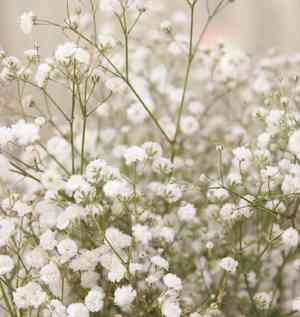
Gypsophila, a fine accent in floral arrangements, flourishes with consistent snipping. Trim by severing spent blossoms to stimulate further flowering and sculpt for desired form. Execute significant pruning in early spring to revitalize development. Trimming through late autumn fosters robust foliage. Advantages encompass more compact growth and extended flowering periods. Refrain from extensive pruning during winter to safeguard the plant's fundamental framework.
What Are the Benefits of Pruning Baby's Breath?
What Are the Benefits of Pruning Baby's Breath?
Trimming baby's breath encourages more abundant flowering, promotes vigorous development, and maintains a desired, compact form. This care prevents excessive growth and strengthens plant vitality.
What Is the Best Time for Pruning Baby's Breath?
What Is the Best Time for Pruning Baby's Breath?
Pruning baby's breath in early spring is optimal as it eliminates dead or damaged stalks before new growth emerges, allowing the plant's energy to focus on producing healthy new shoots and plentiful blooms. This timing also helps deter diseases and pests that can thrive on decaying matter. Late fall pruning, after the plant has finished blooming, is beneficial for maintaining its shape and overall health. It also prepares baby's breath for dormancy by removing faded flowers and reducing unwanted self-seeding. Both these periods enable gardeners to support baby's breath's natural growth cycle and ensure robust plants for the subsequent season.
What Tools Do I Need to Prune Baby's Breath?
Bypass Pruners
Perfect for making clean, precise cuts on baby's breath, bypass pruners are suitable for snipping stems without causing undue harm to the plant's delicate structure.
Sharp Scissors
Especially for trimming small, fine stems of baby's breath, sharp scissors can navigate through dense foliage to thin or shape the plant as required.
Gloves
To shield hands from scratches and ensure a firm grip while pruning baby's breath, a sturdy pair of gloves is crucial.
Disinfectant
Sanitizing tools with a disinfectant before and after pruning baby's breath helps prevent the transmission of diseases between plants.
Garden Shears
For shaping and managing the growth of baby's breath on a larger scale, garden shears can be utilized to evenly trim back larger sections.
How to Prune Baby's Breath
Step1: Health & Structure Assessment
Evaluate the overall health and structure of baby's breath prior to starting. This involves identifying any spent flowers, old woody growth, or diseased stems that require removal.
Step2: Pruning Tool Sterilization
Sanitize your pruning tools with rubbing alcohol or a bleach and water solution to prevent disease transmission during trimming.
Step3: Deadheading Spent Flowers
Begin by removing faded flowers to encourage new growth and more blooms. Pinch or snip the spent flowers at the base of the flower stem, just above a healthy leaf set or a new bud.
Step4: Old Wood Pruning
Cut back old wood, recognizable by its darker, rougher texture and lack of new growth. Prune these sections back to just above a healthy bud or to the plant's base if no growth is apparent and the wood is clearly dead.
Step5: Disease-Damaged Stem Removal
Inspect for any stems showing signs of disease—discoloration, spots, or rot. Carefully remove the entire diseased stem, cutting back to a healthy section well below any visible infection.
Step6: Shaping through Selective Trimming
Shape baby's breath by removing any irregular or excessively long branches to maintain an appealing form. Always make cuts at a 45-degree angle to promote water runoff and prevent disease.
Step7: Dense Growth Thinning
Thin out dense growth if necessary to improve air circulation, which can help deter disease. Remove some of the innermost stems by cutting back to their point of origin.
Step8: Post-Pruning Cleanup
After pruning, clear away all trimmings and dispose of any diseased material away from healthy plants to prevent disease spread.
Step9: Post-Pruning Hydration
Water baby's breath thoroughly after pruning to help reduce plant stress and provide moisture for new growth.
Step10: Growth Monitoring and Maintenance
Monitor baby's breath for new growth and additional dead or diseased wood, especially after a blooming cycle, and promptly remove as needed.
Post-Pruning Care for Baby's Breath
Post-Pruning Care for Baby's Breath
Following pruning of baby's breath, immediately ensure a clean environment to prevent infection. Maintain moderate temperatures, avoiding extreme heat or cold. Provide bright but indirect light and keep humidity consistent, not allowing the soil to completely dry out. Resume fertilization with a balanced liquid feed to stimulate growth. Monitor baby's breath for wilting, discoloration, or pests, which indicate stress or disease. If such symptoms appear, adjust care accordingly, potentially consulting a plant specialist for severe issues.
Common Pruning Mistakes with Baby's Breath
Unsanitized Tools Spread Disease
Failing to sanitize pruning tools before use, which could introduce diseases to baby's breath.
Damage from Overzealous Cuts
Cutting too close to the main stems or crowns, potentially harming the core structure of baby's breath.
Excessive Foliage Removal Stresses Plant
Removing too much foliage at once can stress baby's breath and hinder its ability to photosynthesize effectively.
Pruning Without Purpose Disrupts Growth
Pruning without a clear goal, leading to an unbalanced shape and uneven growth for baby's breath.
Neglected Diseased Stems Invite Pests
Ignoring dead or diseased stems during pruning, which could lead to pest issues and impede baby's breath's overall health.
Common Pruning Tips for Baby's Breath
Clean Cuts with Sharp Shears
Utilize sharp, clean pruning shears to make precise cuts and prevent damage to baby's breath's delicate stems.
Remove Dead Stems for Better Airflow
Identify and remove any dead, diseased, or overly crowded stems to promote improved air circulation and light penetration for baby's breath.
Thin Center for Vase Shape Growth
Thin out the center of baby's breath to encourage new growth, focusing on creating an open, vase-like shape for the plant.
Angled Cuts Above Buds for Healing
Cut stems at a 45-degree angle approximately 1/4 inch above a bud or branching point to facilitate healing and new growth in baby's breath.
Post-Flowering Pruning for Continued Blooms
After flowering, lightly prune baby's breath to shape the plant and remove spent flowers, which encourages ongoing blooming.
Adjust Pruning Based on Plant Response
Observe the response of baby's breath to pruning and modify techniques as necessary to support plant vigor and flowering capacity.



