How to Prune Fragrant orchid?
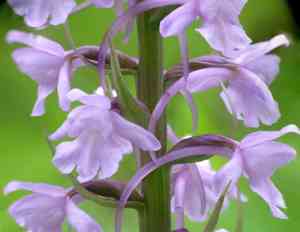
A prominent ground orchid, fragrant orchid displays stalks of aromatic blossoms. Trimming, primarily removing spent or faded flowers, stimulates additional blooming and deters illness. It is most effectively carried out after flowering in the summer or early autumn, steering clear of spring when fresh shoots appear. Extensive cutting is unnecessary; concentrate on withered flower stalks. Regular removal of dead flowers boosts the plant's health and visual attractiveness. Follow specific instructions for these orchids, which require minimal pruning, to preserve their intricate forms.
What Are the Benefits of Pruning Fragrant Orchid?
What Are the Benefits of Pruning Fragrant Orchid?
Trimming fragrant orchid can stimulate more robust development, resulting in a stronger and fuller specimen. It aids in maintaining a compact form and promotes abundant flowering, enhancing the overall aesthetic appeal and vitality of fragrant orchid.
What Is the Best Time for Pruning Fragrant Orchid?
What Is the Best Time for Pruning Fragrant Orchid?
Late Summer and Early Fall are optimal for pruning fragrant orchid as its primary bloom period typically spans June to August. Pruning after flowering allows the plant to reallocate its energy towards preparing for winter dormancy instead of supporting faded flower stalks. Furthermore, this timing helps prevent damage to the subsequent year's growth, as fragrant orchid has finished its main seasonal growth cycle. It also lowers the risk of disease, as fresh cuts are less susceptible to infection in dry, late-summer weather compared to more humid spring conditions. Trimming in Early Fall, post-flowering, helps maintain fragrant orchid's health by removing any diseased or damaged tissue before winter, while being careful not to prune too late to avoid frost damage to new cuts.
What Tools Do I Need to Prune Fragrant Orchid?
Sharp Bypass Pruners
These pruners create clean cuts, which are crucial when trimming fragrant orchid to prevent damage to its delicate stems. Bypass pruners operate like scissors, with two sharp blades passing each other, minimizing harm.
Precision Snips
Snips or micro-tip pruning shears provide control and accuracy for smaller or more precise cuts on fragrant orchid. Their fine tips can access tight areas without harming nearby flowers or stems.
Sterilizing Solution
To prevent disease spread, tools should be cleaned and sterilized between cuts, especially when working with orchids like fragrant orchid, which can be vulnerable to infections from unclean tools.
How to Prune Fragrant Orchid
Disinfect
Before beginning to prune fragrant orchid, clean and disinfect all pruning implements. This minimizes the risk of disease transmission to the plant during the trimming process.
Remove diseased leaves
Carefully inspect fragrant orchid for any diseased foliage. Use your disinfected tools to remove these leaves by cutting at their base where they meet the stem, being careful not to harm nearby healthy tissue.
Trim withered leaves
Identify any withered or yellowing leaves on fragrant orchid. Gently trim these leaves at their base, similar to diseased leaves, to encourage healthier growth and improve air circulation around the plant.
Deadhead
Locate faded flowers on fragrant orchid and remove them by cutting the stem just below the flower head. This process, known as deadheading, encourages fragrant orchid to direct energy towards new growth and potentially more blooms.
Cleanup
After pruning fragrant orchid, clear away all removed plant debris. Dispose of diseased materials separately to prevent any potential spread of illness.
Common Pruning Mistakes with Fragrant Orchid
Overpruning
Removing too many leaves or flower stems, which can stress fragrant orchid, leading to reduced vigor and fewer blooms.
Pruning active growth
Cutting back fragrant orchid when new shoots are forming can impede the plant's development and its flowering potential.
Incorrect tool use
Using dull or dirty cutting tools can damage the delicate tissues of fragrant orchid and introduce diseases.
Pruning without knowledge of plant structure
Lack of understanding of fragrant orchid's growth pattern may result in cutting off future flower spikes or vital growth points.
Removal of healthy pseudobulbs
Mistakenly cutting healthy pseudobulbs, which are crucial for storing energy and nutrients, detrimental to the health of fragrant orchid.
Common Pruning Tips for Fragrant Orchid
Sanitize tools
Before pruning, disinfect tools to prevent the spread of disease to fragrant orchid.
Sharp cuts
Make clean cuts to ensure quick healing and reduce the chance of infections in fragrant orchid.
Post-bloom pruning
Remove spent flower stems of fragrant orchid to redirect energy back into the plant for stronger growth.
Preserving pseudobulbs
Retain healthy pseudobulbs as they are vital for fragrant orchid's energy storage and future growth.
Consider plant health
Assess the overall health of fragrant orchid before pruning; weak or stressed plants may not recover well from pruning.



