How to Prune Scarlet-star?
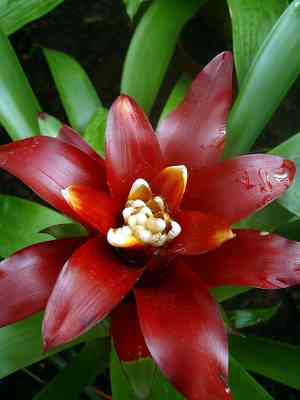
Highly valued for its vivid floral structures and radiating cluster of elongated foliage, scarlet-star flourishes with infrequent trimming. Detach deceased or discolored leaves from the plant's foundation to improve development and visual appeal. For faded flower stalks, employ disinfected shears to sever them at the stem's origin. Pruning can occur at any point, as scarlet-star withstands year-round trimming. Consistent removal of aged foliage stimulates robust new development and preserves the plant's dense form, guaranteeing its continued role as an appealing centerpiece in any interior environment.
What Are the Benefits of Pruning Scarlet-star?
What Are the Benefits of Pruning Scarlet-star?
Trimming scarlet-star promotes a dense shape, stimulating new development for a more robust and attractive specimen. Thoughtful removal of spent blooms can also encourage future flowering.
What Is the Best Time for Pruning Scarlet-star?
What Is the Best Time for Pruning Scarlet-star?
Pruning or trimming scarlet-star can be done any time of year since it's a tropical plant without a strict seasonal growth cycle like temperate species. The ideal time to prune is when dead or dying leaves need removal, or after the flower bract has withered, which helps maintain the plant's appearance and health. Regular light trimming also encourages fresh growth and prevents legginess. However, ensure the plant isn't overly stressed by environmental factors or disease before pruning to avoid unnecessary harm.
What Tools Do I Need to Prune Scarlet-star?
Sharp Scissors or Snips
Scarlet-star has a rosette of stiff, sword-shaped leaves, often not needing heavy cutting tools. Sharp scissors or snips are perfect for precise, clean cuts, removing dead or dying leaves without harming the plantâs delicate structure.
Tweezers
For scarlet-star, tweezers can be used to gently remove dead or yellowing leaves from the plant's base. Their narrow tips are ideal for reaching tight spaces between leaves without causing damage.
Rubbing Alcohol
Before and after pruning scarlet-star, tools should be sterilized with rubbing alcohol to prevent disease spread. A clean cut ensures plant health and promotes better recovery.
Gloves
Wearing gloves when handling scarlet-star protects your hands from any sharp leaf edges and keeps the plant safe from hand oils and dirt that could lead to infection.
How to Prune Scarlet-star
Step1: Condition Assessment and Identification
Evaluate the condition of scarlet-star, focusing on identifying old flowers, yellow leaves, and withered parts. Inspect the plant from its base to the leaf tips and flower spike. Ensure the plant is otherwise healthy and free of pests or disease before beginning pruning.
Step2: Sterilize Pruning Tools
Sterilize pruning shears or scissors with alcohol or a bleach solution. This reduces the risk of transmitting diseases between plants during the pruning process.
Step3: Remove Old Flowers at Base
Remove old flowers by cutting the flower spike at its base, just above where it emerges from scarlet-star's central cup. Cut cleanly without damaging surrounding foliage or the water-collecting central cup.
Step4: Prune Yellow Leaves at Base
Prune yellow leaves by gently pulling them from the base to see if they detach easily, indicating readiness for removal. If they don't come away with light pressure, use sterilized shears to cut them at the base where the yellow meets healthy green tissue.
Step5: Trim Withered Leaf Parts
Trim withered parts of scarlet-star, such as brown leaf tips or edges, by cutting them cleanly just before the damaged tissue. Ensure only damaged parts are removed, avoiding healthy green tissue.
Step6: Dispose Pruning Waste Safely
Dispose of all cuttings and dead material in a way that prevents the spread of any potential pests or diseases. Composting is usually suitable unless the plant showed signs of disease.
Step7: Clean Leaves Post-Pruning
After pruning, wipe scarlet-star's leaves with a damp cloth to remove dust or debris. This helps the plant maintain efficient photosynthesis and improves its overall appearance.
Step8: Water Plant Appropriately
Water scarlet-star appropriately, filling the central cup and moistening the soil without overwatering, to reduce plant stress and support recovery after pruning.
Step9: Monitor New Growth and Health
Monitor scarlet-star for new growth and any signs of distress following pruning. Adjust care practices as needed to ensure optimal health and growth. Repeat the pruning process annually or as required when the plant shows similar signs of aging or damage.
Post-Pruning Care for Scarlet-star
Post-Pruning Care for Scarlet-star
Immediately after pruning scarlet-star, ensure high humidity and indirect, bright light to reduce stress. Maintain temperatures around 70°F. Mist foliage regularly, and water when the top inch of soil feels dry. Apply a balanced, diluted fertilizer monthly to support regrowth. Monitor for browning tips or rot, signs of stress or disease; if detected, adjust care and consult a specialist. Regularly inspect the pruning site for infections and maintain cleanliness to promote healing.
Common Pruning Mistakes with Scarlet-star
Avoid Pruning Healthy Leaves
A common error is trimming scarlet-star's healthy leaves. Its leaves are vital for photosynthesis and overall health, so unnecessary cutting should be avoided.
Do Not Prematurely Remove Flower Bracts
Another mistake is cutting off flower bracts before they've fully died. They should not be pruned until completely dried and wilted, as early removal can impact the plant's lifecycle.
Refrain from Pruning Central Rosette Severely
Gardeners might also mistakenly prune the central foliage rosette or cut the plant too severely, which can hinder growth or lead to scarlet-star's demise.
Always Use Clean, Sharp Tools
Failing to use clean, sharp pruning tools is an error that can introduce disease or cause jagged cuts that heal poorly.
Remove Dead Leaves to Prevent Disease
Neglecting to remove dead or dying leaves at the plant's base is a common oversight that can lead to fungal infections or pest infestations.
Common Pruning Tips for Scarlet-star
Prune After Bloom Dies Completely
Wait for scarlet-star's bloom to completely die back before removing it. Use sharp, precise scissors or pruning shears to cut the dead flower spike close to the base, being careful not to harm the central rosette.
Remove Brown Leaves to Improve Airflow
Regularly remove brown or yellowing leaves at scarlet-star's base to promote good air circulation and prevent potential disease and pests. Gently pull leaves downwards and outwards, disposing of them properly.
Disinfect Tools Post-Pruning
After pruning, disinfect your tools to prevent disease spread. Clean cuts ensure quicker healing for scarlet-star.
Keep Environment Clean from Debris
Encouraging healthy growth in scarlet-star involves maintaining a clean environment free from rotting debris. Ensure the pot and surrounding area are clear of pruned material.
Prune Pups at One-Third Parent Size
If offsets, also known as 'pups', start to grow around scarlet-star's base, wait until they are about one-third the size of the parent plant before carefully pruning them away with a clean cut for propagation.



