How to Prune Broom snakeweed?
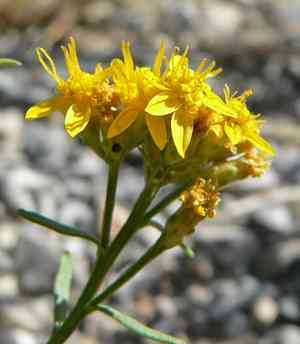
This enduring woody plant flourishes in dry environments, displaying golden flowers later in the year. For broom snakeweed, perform trimming in the spring or early summer prior to the peak of new development. Sever any lifeless or frail stalks down to the soil surface and sculpt the specimen for uniform, robust regrowth. Trimming revitalizes broom snakeweed by eliminating aged branches, guaranteeing light exposure, and fostering air movement, thereby lowering the chance of illness. Employ sanitized, keen implements to lessen trauma and facilitate rapid recuperation.
What Are the Benefits of Pruning Broom Snakeweed?
What Are the Benefits of Pruning Broom Snakeweed?
Trimming broom snakeweed encourages robust development and maintains its desired form. This ensures peak vitality and an aesthetically pleasing shape for the plant.
What Is the Best Time for Pruning Broom Snakeweed?
What Is the Best Time for Pruning Broom Snakeweed?
Pruning in late spring allows for the removal of any winter damage before broom snakeweed enters its active growth phase. Early summer pruning aligns with the post-blooming period, fostering healthier growth and preventing seed dispersal, which helps manage the spread of broom snakeweed. Pruning during these seasons supports crucial recovery, minimizes stress on broom snakeweed, and prepares it for dormancy by encouraging new growth only when the plant can sustain it.
What Tools Do I Need to Prune Broom Snakeweed?
Hand Pruners
Perfect for precise cuts on broom snakeweed's slender stems, enabling selective shaping and removal of dead material.
Pruning Shears
Suitable for trimming broom snakeweed's herbaceous parts without harming the plant's structure.
Gloves
Protective gear to ensure safe handling of broom snakeweed, preventing skin irritation from direct contact.
Garden Scissors
Useful for refining broom snakeweed's shape and accessing tight spots that larger tools cannot reach.
Lopping Shears
Appropriate for cutting through thicker branches if broom snakeweed has become overgrown.
How to Prune Broom Snakeweed
Prepare Tools
Gather and sanitize necessary pruning tools like sharp scissors or shears to prevent disease spread when trimming broom snakeweed.
Identify Parts
Examine broom snakeweed carefully to locate dead stems and any signs of disease, such as discolored or withered plant tissue.
Trim Dead Stems
Cut dead stems at their base where they meet healthy tissue, ensuring a clean cut without tearing to promote better growth and prevent injury to broom snakeweed.
Remove Diseased Parts
Trim away diseased parts of broom snakeweed, making sure to cut well into the healthy tissue to ensure all infected material is removed.
Dispose Cuttings
Properly dispose of all dead and diseased cuttings away from healthy plants to prevent the spread of any potential pathogens in broom snakeweed.
Common Pruning Mistakes with Broom Snakeweed
Overpruning
Cutting back broom snakeweed too severely can weaken the plant as it tries to regenerate too much foliage at once, stressing it and potentially leading to death or disease vulnerability.
Improper Cut Locations
Making cuts in the wrong place can lead to undesirable growth patterns, potential pest entry, and poor wound healing. It's important to make cuts just above a leaf node or bud.
Ignoring Plant Health
Attempting to prune broom snakeweed when it's not in a healthy state can worsen issues such as disease or pests, as pruning does put stress on the plant.
Using Dull Tools
Dull tools can cause jagged cuts that heal poorly and can introduce disease into broom snakeweed.
Lack Of Sanitization
Failing to sanitize pruning tools between uses can spread disease between plants.
Common Pruning Tips for Broom Snakeweed
Selective Pruning
Ensure to selectively prune older and dead stems to promote new growth and airflow without overburdening broom snakeweed.
Tool Sharpness
Always use sharp pruning shears or scissors to ensure clean cuts that broom snakeweed can heal swiftly and efficiently.
Cut Angle
Cut at an angle that allows water to run off the cut surface, reducing the likelihood of disease taking hold in broom snakeweed.
Plant Shape
Prune to maintain an appealing shape and to encourage bushy growth of broom snakeweed, rather than long, leggy stems.
Aftercare
Post-pruning care is important. Water broom snakeweed correctly, apply a suitable fertilizer, and monitor health to support recovery and growth after pruning.



