How to Prune Western rattlesnake plantain?
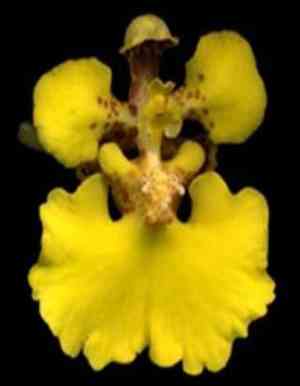
Characterized by its patterned, perennial leaves, western rattlesnake plantain thrives with infrequent trimming. Remove any impaired or discolored leaves to preserve its well-being. Perform pruning in spring prior to new development, or from summer to early autumn after blooming. This practice stimulates fresh growth and deters ailments. Always employ disinfected implements to prevent contamination. Given its low upkeep requirements, pruning western rattlesnake plantain primarily serves to enhance its neatness and revitalize the specimen for the subsequent cultivation period.
What Are the Benefits of Pruning Western Rattlesnake Plantain?
What Are the Benefits of Pruning Western Rattlesnake Plantain?
Trimming western rattlesnake plantain promotes robust development and maintains its compact shape, which is especially crucial for this species' characteristic dense foliage.
What Is the Best Time for Pruning Western Rattlesnake Plantain?
What Is the Best Time for Pruning Western Rattlesnake Plantain?
Late spring to early summer is optimal for trimming western rattlesnake plantain as this period coincides with the post-flowering stage, ensuring minimal interruption to blooming and maximizing energy for vegetative growth. Autumn pruning is not advised due to potential stress before dormancy.
What Tools Do I Need to Prune Western Rattlesnake Plantain?
Bypass Pruners
Given that western rattlesnake plantain is relatively small and delicate, pruning should be done carefully. Bypass pruners enable precise cuts that encourage healthy growth without causing undue harm to the plant.
Garden Scissors
These are vital for trimming smaller or more fragile foliage of western rattlesnake plantain, offering control and accuracy. This tool minimizes potential damage to the plant's structure.
Hand Gloves
While not a direct pruning tool, gloves safeguard the gardener's hands and prevent any direct harm to the plants from skin oils or salts, which is particularly important for western rattlesnake plantain.
How to Prune Western Rattlesnake Plantain
Sterilize
Before beginning to prune western rattlesnake plantain, sanitize pruning tools using a solution of one part bleach to nine parts water to prevent disease transmission.
Inspect
Examine western rattlesnake plantain for diseased leaves and branches by checking for any discoloration, spots, or decay that indicates unhealthy tissue.
Remove diseased leaves
Carefully remove any diseased leaves by snipping them off at the base where the leaf stem meets the main stem, ensuring no damage to healthy parts.
Trim withered leaves
Identify any withered or dead leaves of western rattlesnake plantain and trim them by cutting at the base of the leaf stem to encourage healthy growth and improve air circulation.
Cut dead branches
Prune any dead or diseased branches by making a clean cut just above a leaf node or bud using sharp, sterilized pruning shears, taking care not to harm any healthy stems or roots.
Common Pruning Mistakes with Western Rattlesnake Plantain
Over-Pruning
Eager gardeners might remove too much foliage, which can stress western rattlesnake plantain and lead to poor growth or even death.
Wrong Technique
Using dull or dirty tools can result in jagged cuts that are vulnerable to disease. Clean, sharp tools are necessary for making precise cuts.
Pruning Healthy Leaves
Some confuse healthy, vibrant foliage for expendable growth. However, indiscriminate removal of healthy leaves can weaken western rattlesnake plantain.
Disregarding Plant Structure
Ignoring the natural growth pattern of western rattlesnake plantain can lead to an unbalanced or unnaturally shaped plant.
Neglecting Hygiene
Not sanitizing tools before and after pruning can spread disease between plants, a crucial consideration especially if pruning multiple specimens.
Common Pruning Tips for Western Rattlesnake Plantain
Selective Pruning
Focus on removing only the damaged or diseased leaves to avoid creating unnecessary open wounds which can invite disease.
Minimal Intervention
Because western rattlesnake plantain is a low-maintenance plant, less is often more. Restrict pruning to tidy up the plant rather than to shape it.
Timing with Life Cycle
Consider the growth cycle and prune sparingly to ensure the plantâs energy is not diverted from essential growth or flowering processes.
Post-Flowering Pruning
After flowering, remove spent flower spikes to direct the plantâs energy towards vegetative growth and subsequent blooming cycles.
Use of Appropriate Tools
Opt for precision tools like small, sharp scissors or snips that can navigate the delicate foliage of western rattlesnake plantain with minimal disturbance.



