How to Prune Coral beak orchid?
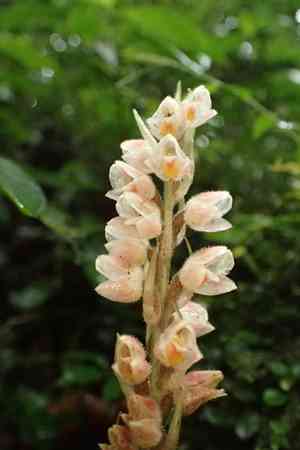
This epiphytic orchid, recognized for its elaborate flowers, thrives with judicious trimming to foster well-being and stimulate development. Essential pruning methods involve removing withered or discolored foliage and faded flower stalks. The ideal time for this maintenance is during spring or summer, after the blooming phase. This punctual trimming guarantees robustness and could boost flowering for the subsequent period. It is especially crucial to employ disinfected cutting implements to avert the dissemination of pathogens. Pruning additionally facilitates superior air movement around coral beak orchid, thereby enhancing the plant's overall hardiness.
What Are the Benefits of Pruning Coral Beak Orchid?
What Are the Benefits of Pruning Coral Beak Orchid?
Trimming coral beak orchid promotes robust development by eliminating dead or weak parts, allowing more light and air to reach the plant's core. Regular trimming also maintains coral beak orchid's desired form and compact size, enhancing its decorative appeal.
What Is the Best Time for Pruning Coral Beak Orchid?
What Is the Best Time for Pruning Coral Beak Orchid?
Pruning in the Spring coincides with coral beak orchid's post-dormancy period, when new growth commences. This timing enables the plant to recover quickly and channel energy into producing fresh growth. Early Summer pruning accommodates the conclusion of coral beak orchid's reproductive cycle, preventing stress during blooming. It's crucial to avoid pruning in late Summer or Fall, as cuts may not heal before dormancy, potentially leading to damage during cold weather.
What Tools Do I Need to Prune Coral Beak Orchid?
Sharp, sterilized scissors or snips
These instruments provide a clean incision, which is vital for the delicate stems of coral beak orchid. A precise cut helps minimize harm to plant tissue and lowers the chance of infection.
Fine-tipped tweezers
Since coral beak orchid may possess small, intricate components requiring careful attention, fine-tipped tweezers are useful for removing dead or yellowing leaves without disturbing the surrounding healthy tissue.
Soft brush or cloth
For upkeep, a soft brush or cloth can gently remove any debris from the leaves of coral beak orchid. It's important not to harm the leaves, as they are a crucial aspect of the plantâs well-being.
How to Prune Coral Beak Orchid
Identify diseased and withered leaves
Thoroughly inspect coral beak orchid to pinpoint any diseased or withered leaves. Look for discolored, spotted, or misshapen foliage which may indicate illness or decay.
Sterilize tools
Sanitize pruning implements with alcohol or a bleach solution before cutting to prevent the spread of disease to other parts of coral beak orchid or other plants.
Prune diseased and withered leaves
Carefully trim diseased or withered leaves at their base, using sharp, clean scissors or pruning shears. Make clean cuts to avoid damaging the plant. Dispose of removed foliage to prevent any disease from spreading.
Identify diseased stems
Examine the stems of coral beak orchid for any indications of disease, such as rot or mushiness, presence of pests, or unusual markings.
Prune diseased stems
Trim any diseased stems just above a healthy node or set of leaves to encourage new growth. Ensure the cut is angled away from the remaining stem to allow water runoff and prevent disease.
Common Pruning Mistakes with Coral Beak Orchid
Over-pruning
One of the primary errors is removing too much foliage at once, which can stress coral beak orchid and hinder its development.
Improper cuts
Making jagged or torn cuts can create open wounds susceptible to infection and disease in coral beak orchid. It is essential to use sharp, clean pruning tools.
Pruning healthy growth
Inexperienced gardeners might mistake active growing parts for dead or decaying ones, leading to the removal of healthy growth which is detrimental to coral beak orchid's health.
Disregarding plant structure
Without considering coral beak orchid's natural shape and growth habit, indiscriminate cutting can lead to an unattractive form and weak structure.
Common Pruning Tips for Coral Beak Orchid
Clean equipment
Before beginning, ensure all pruning tools are clean and sharp to make precise cuts and reduce the risk of spreading disease to coral beak orchid.
Selective thinning
Perform selective thinning by targeting dead or dying foliage. This promotes better air circulation and light penetration, encouraging healthy growth in coral beak orchid.
Growth direction
When pruning, cut just above a node where a leaf joins the stem to guide the new growth direction, improving the overall shape and vigor of coral beak orchid.
Post-pruning care
After pruning, provide coral beak orchid with appropriate care, such as adjusting watering if necessary and ensuring it is placed in ideal light conditions to recover and thrive.



