How to Prune Balloon plant?
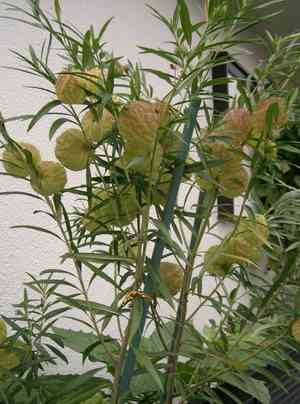
Distinguished by its swollen seed capsules and kinship with the milkweed family, balloon plant stands out as a perennial. Trim any withered or compromised stalks to sustain vitality and refine its inherent form, ideally in early spring or late winter for optimal outcomes. This practice fosters robust development and deters undesirable self-propagation. Judicious trimming also promotes a denser look and can stimulate an additional flowering period within the growing season, which is especially advantageous for drawing butterflies.
What Are the Benefits of Pruning Balloon Plant?
What Are the Benefits of Pruning Balloon Plant?
Trimming balloon plant enhances its vitality and maintains a desired structure. It fosters vigorous development and helps preserve a compact, appealing form, crucial for garden aesthetics and space management.
What Is the Best Time for Pruning Balloon Plant?
What Is the Best Time for Pruning Balloon Plant?
From late winter to early spring, balloon plant is typically still inactive. Pruning at this time helps prevent stress to the plant, as resource demand is low before new growth begins. Furthermore, it allows gardeners to easily spot any dead or diseased parts, as the foliage isn't fully developed. Trimming before the spring growth surge ensures cuts heal quickly with the influx of new energy, and it shapes the plant for robust growth in the coming season. Additionally, timing the pruning before the blooming period can lead to more abundant flowers on subsequent growth. Overall, pruning during these seasons aligns with balloon plant's growth cycle and promotes its health and visual appeal without hindering its flowering or fruiting potential.
What Tools Do I Need to Prune Balloon Plant?
Bypass Pruners
Perfect for making clean cuts on the thinner stems of balloon plant, which aids in disease prevention and encourages healthy regrowth.
Long-Handled Loppers
Useful for reaching higher branches and providing the necessary leverage to trim thicker stems that might be inaccessible with standard pruners.
Gardening Gloves
Offers protection against the milky sap of balloon plant that can irritate skin upon contact.
Garden Knife or Pruning Saw
Essential for cutting into woody stems if balloon plant has matured and developed thicker branches that cannot be managed by pruners or loppers.
Pruning Sealant
While not always required, it can be applied to larger cuts to prevent infections on balloon plant, especially if the plant is susceptible to diseases.
Fine Pruning Snips
Ideal for deadheading or shaping balloon plant by precisely snipping small, delicate stems and leaves.
How to Prune Balloon Plant
Step1: Inspect Plant for Pruning Areas
Examine balloon plant thoroughly to identify all parts requiring trimming, such as spent flowers, damaged stems, and yellow leaves. This initial step is vital for determining the extent of pruning needed.
Step2: Sanitize Pruning Tools
Sterilize your pruning tools with rubbing alcohol or a 10% bleach solution to prevent the spread of diseases between plants while trimming balloon plant.
Step3: Remove Dead Flowers
Begin pruning balloon plant by removing dead flowers. Cut the stem just below the flower heads, above the first set of healthy leaves. This promotes further blooming and prevents the plant from expending energy on seed production unless seeds are desired.
Step4: Trim Damaged Stems
Identify and trim off any damaged stems on balloon plant. Make cuts on damaged stems above a set of leaves or a growing node, at a 45-degree angle, to encourage healthy regrowth and allow water to drain from the cut surface, reducing disease risk.
Step5: Cut Off Yellow Leaves
Locate any yellow leaves on balloon plant, which may indicate age or illness. Carefully snip these leaves off at their base where they meet the stem, taking care not to harm adjacent stems or leaves.
Step6: Shape Plant with Selective Pruning
If needed, shape balloon plant by selectively trimming branches to maintain an appealing appearance. Cut back branches that are too long or disrupt the plant's shape, using the same 45-degree angle cutting technique.
Step7: Cleanup Pruning Debris
After pruning, clear away fallen debris from around balloon plant to prevent the potential spread of pests or diseases that may have been present on the removed plant material.
Step8: Water Plant Post-Pruning
Water balloon plant thoroughly after pruning to reduce plant stress and encourage recovery. Ensure proper drainage to prevent waterlogging, which could harm balloon plant's health.
Step9: Monitor Plant Health and Growth
Monitor balloon plant over the subsequent weeks for new growth and watch for signs of stress or disease. Additional care, such as fertilization, may be necessary to support balloon plant's recovery and growth after pruning.
Post-Pruning Care for Balloon Plant
Post-Pruning Care for Balloon Plant
Immediately after trimming balloon plant, cleanse the cuts with water to prevent infection. Ensure balloon plant is placed in bright, indirect sunlight, with consistent temperatures and moderate humidity levels to minimize stress. Apply a balanced, water-soluble fertilizer to aid recovery, avoiding excessive fertilization. Regularly check for wilting, discoloration, or pests, which indicate stress or disease. Treat infections with neem oil or suitable fungicides. Maintain a consistent watering schedule, allowing the soil to dry slightly between waterings.
Common Pruning Mistakes with Balloon Plant
Over-pruning Stresses and Stunts Plant Growth
Trimming too aggressively, which can stress balloon plant and hinder its development.
Improper Cuts Damage Plant Vascular System
Making cuts too close to the main stem, potentially harming the plant's circulatory system.
Dull Tools Cause Jagged Cuts and Disease
Using dull or unclean pruning tools, which can result in ragged cuts and introduce disease.
Leaving Stubs Leads to Decay and Pests
Leaving stubs after cutting branches or stems, which can lead to rot and pest infestation.
Failed Removal of Dead Material Spreads Disease
Neglecting to remove dead or diseased material, which can impede new growth and spread illness.
Ignoring Natural Shape Hinders Plant Development
Disregarding the plant's inherent form, leading to an unnatural appearance and potentially hindering its development.
Common Pruning Tips for Balloon Plant
Clean, Sharp Cuts for Quick Healing
Utilize clean, sharp pruning shears to make precise cuts that will heal rapidly, reducing disease risk.
Proper Angle and Distance Above Buds Promotes Growth
Cut at a 45-degree angle approximately 1/4 inch above a leaf node or bud to encourage new growth in the correct direction.
Prune Only Dead, Diseased, Damaged Stems
Remove only dead, diseased, or damaged stems to maintain balloon plant's health without over-pruning.
Thin for Better Air Flow and Light Penetration
Thin out the center of balloon plant to enhance air circulation and light penetration, which are crucial for robust health and bloom production.
Pruning in Accordance with Natural Plant Shape
Follow the natural form of balloon plant when trimming to enhance its aesthetic appeal and support its growth pattern.
Selective Pruning Stimulates Rejuvenation
Perform selective pruning to remove just a few of the older stems to stimulate new growth and revitalization.



