How to Prune White teak?
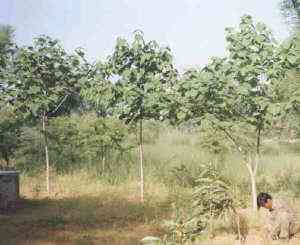
White teak, a rapidly developing deciduous tree prized for its wood, flourishes with appropriate trimming. Essential methods involve reducing dense branches and shortening elongated limbs to stimulate vigorous development. The most effective pruning time is late winter or early spring to promote healthy new sprouts. Trimming white teak not only preserves its intended form and dimensions but also enhances air movement and light access, which are vital for averting ailments and guaranteeing sturdy growth.
What Are the Benefits of Pruning White Teak?
What Are the Benefits of Pruning White Teak?
Trimming white teak promotes vigorous development and maintains its desired shape. Regular cutting fosters a robust framework, crucial for the plant's well-being and visual appeal.
What Is the Best Time for Pruning White Teak?
What Is the Best Time for Pruning White Teak?
Pruning white teak in late winter and early spring is optimal because this period precedes the plant's active growth phase, which typically begins in spring. This allows white teak to recover from cuts without diverting energy from new growth. Furthermore, the absence of leaves offers better visibility of the plant's structure, enabling more precise cuts. Pruning in late winter minimizes the risk of pest and disease infestations that can occur in warmer weather. Additionally, cutting back white teak before spring stimulates strong growth and helps maintain the plant's desired form and size. Pruning at this time also prevents the removal of flower buds, which could reduce blooming in flowering varieties of white teak.
What Tools Do I Need to Prune White Teak?
Hand Pruners
Suitable for cutting small branches and twigs of white teak, as they provide the precision and control needed for shaping and maintaining the plant's health.
Loppers
Ideal for trimming thicker branches that hand pruners cannot manage. Their long handles offer leverage to cut through branches up to 1.5 inches thick, common in white teak's growth.
Pruning Saws
Essential for cutting branches over 1.5 inches thick. Its sawing action allows for easily cutting larger limbs of white teak, which hand pruners and loppers may not be able to handle.
Pole Pruners
Useful for reaching higher branches of white teak without needing a ladder, ensuring safety while pruning taller specimens.
Hedge Shears
Appropriate for shaping and maintaining hedges or densely growing branches of white teak, providing uniform cuts and assisting in aesthetic management.
How to Prune White Teak
Clean tools
Before beginning to prune white teak, ensure your pruning tools are clean and sharp to prevent disease spread and make precise cuts.
Inspect plant
Carefully examine white teak for dead or diseased branches, which are typically discolored, brittle, or show signs of fungal growth or pest damage.
Remove dead branches
Using pruning shears or a saw, depending on branch size, cleanly cut dead branches at their point of origin to encourage healthy growth in white teak.
Cut diseased branches
Identify and trim diseased branches on white teak, making cuts well below the affected area to prevent further infection. Dispose of these carefully to avoid contaminating other plants.
Finalize pruning
After removing dead and diseased branches from white teak, perform a final check for any additional cutting that might promote better air circulation or growth patterns. Seal larger cuts with pruning sealant if necessary.
Common Pruning Mistakes with White Teak
Over-pruning
Removing too much foliage at once is a frequent error. This can stress white teak, leading to poor growth and reduced flowering.
Improper cuts
Incorrect cutting techniques can harm white teak's bark or branches, creating entry points for pests and diseases.
Neglecting tools
Using dull, unclean pruning tools can result in jagged cuts, which heal poorly and may negatively impact white teak's overall health.
Ignoring form
Failing to consider white teak's natural shape during pruning can lead to an unbalanced appearance and potentially affect its structural integrity.
Pruning for size alone
Cutting back white teak solely to control size without considering the plant's health and form can lead to reduced vigor and aesthetic appeal.
Common Pruning Tips for White Teak
Selective thinning
Instead of indiscriminate cutting, selectively remove dead, diseased, or crossing branches to improve air circulation and light penetration.
Maintain form
Prune to maintain or enhance white teak's natural growth habit without drastically altering its form, encouraging a stronger, more pleasing shape.
Clean tools
Ensure pruning tools are sharp and sterile before use to make clean cuts and reduce the risk of disease spread.
Gradual rejuvenation
For an overgrown white teak, use a gradual approach, spreading heavy pruning over several seasons to avoid shocking the plant.
Focus on health
Always prioritize the removal of dead, dying, or diseased wood to promote white teak's overall health and longevity.



