How to Prune Chinese water fir?
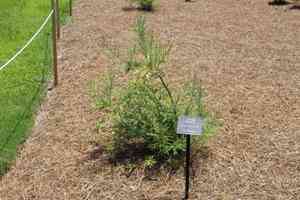
A deciduous conifer, valued for its flared base and delicate, feather-like leaves, Chinese water fir greatly benefits from winter trimming. This period, when the plant is dormant, lessens sap movement and reduces overall strain. To foster robust development and preserve its structure, eliminate any lifeless or compromised limbs and thin out crowded sections to allow more light to reach the interior. Thoughtful selection of branches to cut enhances air circulation, which is vital for its characteristic conical shape. Pruning during its inactive phase also stimulates strong growth in the spring, thereby boosting the plant's aesthetic appeal.
Advantages of Trimming chinese water fir
Advantages of Trimming chinese water fir
Trimming chinese water fir promotes robust development and helps maintain its desired form, ensuring it stays healthy and visually appealing in landscape settings.
Optimal Period for Trimming chinese water fir
Optimal Period for Trimming chinese water fir
Trimming in late winter to early spring, before chinese water fir resumes active growth, allows gardeners to shape the tree and remove any dead or damaged branches without harming new growth or bud development. This timing also enables chinese water fir to recover quickly from cuts as the growing season begins, reducing disease or pest risk. It's also easier to see chinese water fir's structure without leaves, allowing for more effective trimming. Avoiding fall trimming can reduce fungal infection chances, which are more common then due to wetter conditions.
Essential Tools for Trimming chinese water fir
Hand Pruners
Suitable for precise cuts on young shoots and small branches of chinese water fir, causing minimal damage to its delicate foliage.
Lopping Shears
Ideal for cutting thicker branches typically found on a mature chinese water fir, providing good leverage for clean cuts without straining the gardener's hands.
Pruning Saw
Necessary for removing large branches from chinese water fir, especially when reshaping the tree or removing damaged limbs, allowing for cuts beyond lopping shears' capability.
Pole Pruner
Useful for reaching higher branches of chinese water fir without a ladder, ensuring gardener safety while maintaining the tree's shape and health.
How to Trim chinese water fir
Sanitize tools
Before trimming chinese water fir, sanitize pruning shears and saws using a solution of 1 part bleach to 9 parts water to prevent disease spread.
Remove dead branches
Carefully inspect chinese water fir for dead branches, identifiable by lack of leaves and brittle texture. Trim these branches at their origin or back to a main stem, ensuring clean cuts.
Cut diseased branches
Identify diseased branches on chinese water fir by looking for abnormal growths, discoloration, or decay. Use pruning shears to cut these branches well below the affected area to prevent disease spread.
Clean wounds
After removing dead or diseased branches from chinese water fir, clean the wounds with a wound dressing specifically designed for plants to promote healing and prevent infection.
Dispose trimmed materials
Safely dispose of trimmed dead and diseased branches of chinese water fir to prevent contamination; never compost these materials as they may harbor diseases.
Common Trimming Errors with chinese water fir
Excessive trimming
Removing too much foliage can stress chinese water fir, leading to poor growth or vulnerability to pests and diseases.
Incorrect cut angle
Improper angle or location of cuts can damage chinese water fir's bark and cambium, hindering the plant's natural healing process.
Tearing limb bark
When cutting large branches, failing to use a proper three-cut technique can result in bark tearing, which may cause serious harm to the plant.
Neglecting tool sanitation
Using unsanitized tools may introduce pathogens to chinese water fir, risking infection and disease spread.
Ignoring damaged limbs
Failure to remove dead or damaged limbs can inhibit chinese water fir's growth and make them more susceptible to diseases and pests.
Uneven trimming
Uneven trimming can result in an unbalanced and aesthetically unpleasing appearance, potentially stressing chinese water fir.
General Trimming Advice for chinese water fir
Sharp tools
Use sharp, clean pruning shears or saws to make clean cuts that promote quick healing for chinese water fir.
Three cut method
For large branches, use the three-cut method to prevent bark tearing: First, undercut the branch, then make a second cut a little further out to remove the weight of the branch, and finally cut just above the branch collar for a clean finish.
Trimming angle
Make cuts at a 45-degree angle, about 1/4 inch above a bud that faces the direction you want new growth to follow.
Selective trimming
Selectively trim to maintain the natural shape of chinese water fir, focusing on removing dead, diseased, or crossing branches and thinning out dense areas to improve air circulation.
Cut to node
When shortening branches, always cut back to just above a lateral bud or node to encourage growth in chinese water fir's desired direction.
Post trim care
After trimming chinese water fir, ensure proper aftercare including watering, mulching, and monitoring for signs of stress or disease.



