How to Prune Licorice?
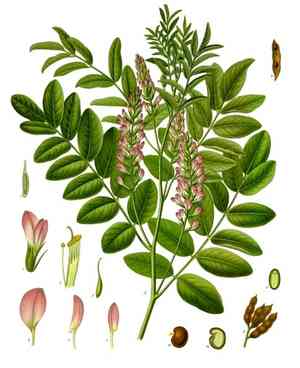
Celebrated for its sugary roots and therapeutic qualities, licorice thrives with judicious trimming to sustain its vitality and strength. In the spring or summer, eliminate any lifeless or ailing stems to improve air circulation and light exposure. Cut back approximately one-third of the upper foliage to foster a denser growth habit. Regular pruning throughout the seasons boosts root development and sculpts the plant's form. Always use disinfected implements to avert the dissemination of pathogens. Trimming licorice results in improved growth and more substantial root harvests.
What Are the Benefits of Pruning Licorice?
What Are the Benefits of Pruning Licorice?
Trimming licorice is crucial for robust development and maintaining its desired form. Regular cutting back helps revitalize the plant, encourage new shoots, and optimize the production of medicinal roots.
What Is the Best Time for Pruning Licorice?
What Is the Best Time for Pruning Licorice?
Pruning licorice in late spring allows for the removal of winter damage before new growth begins, which typically starts at this time. In early summer, licorice is actively growing, and selective trimming can be done to shape the plant and manage its size. This timing ensures the plant has ample time to recover and produce new shoots before winter dormancy. Additionally, pruning right after the spring growth flush gives gardeners an opportunity to assess the plant's health and vigor, enabling informed decisions about which stems to cut back. Pruning licorice during these seasons aligns with its natural growth cycle, helping maintain its structure and productivity without compromising its health or next year's growth.
What Tools Do I Need to Prune Licorice?
Hand Pruners
Perfect for trimming small stems and dead material without harming the licorice's structure.
Long-Handled Loppers
Suitable for reaching into denser areas of licorice and cutting thicker stems that hand pruners cannot manage.
Gardening Gloves
Essential for protecting hands from any potential skin irritants in licorice's sap, as well as sharp stems.
Pruning Saw
Required for removing any large, woody sections of licorice that have become overgrown or need shaping.
How to Prune Licorice
Clean tools
Prepare sanitized pruning tools to prevent disease spread. Use a solution of 1 part bleach to 9 parts water to disinfect tools before pruning licorice.
Remove diseased leaves
Carefully inspect licorice and trim any diseased leaves using disinfected shears. Make cuts at the base of each leaf stem for quick healing.
Cut withered leaves
Identify and remove all withered leaves to promote healthier growth. Cut them at the base, close to the main stem, ensuring a clean cut while avoiding damage to nearby healthy tissues.
Eliminate diseased stems
Prune diseased stems on licorice, cutting back to healthy wood. If the entire stem is affected, remove it at the base. Ensure cuts are angled to allow water runoff and promote healing.
Dispose of trimmed material
Properly dispose of all diseased materials to prevent reinfection or the spread of pathogens in licorice. Do not compost diseased parts as they might infect the compost pile.
Common Pruning Mistakes with Licorice
Overpruning
Removing too much growth at once from licorice can shock the plant, reducing its vigor and negatively impacting root development, which is crucial for this species.
Pruning active growth
Cutting back licorice during its active growth period can disrupt the plant's natural life cycle and lead to a weaker plant structure.
Inadequate tool sanitation
Using unclean tools can introduce disease to licorice, potentially harming the plant's health.
Improper cut placement
Making cuts too close or too far from the main stem on licorice can either damage the main stem or leave stubs that hinder proper healing.
Neglecting plant structure
Failing to consider the natural growth habit of licorice when pruning can result in an unbalanced or unnatural appearance and negatively affect the plant's health.
Common Pruning Tips for Licorice
Sharp and clean tools
Always use sharp, sanitized pruning tools for clean cuts that heal quickly and minimize the risk of disease in licorice.
Judicious cutting
Prune licorice carefully, aiming to cut no more than necessary to shape the plant or remove dead or damaged parts, as it typically responds better to minimal interference.
Knowledge of plant architecture
Understand the growth pattern of licorice to make informed decisions about which parts to prune for maintaining plant health and desired appearance.
Healing consideration
Make cuts on licorice at a slight angle, away from buds, to facilitate water runoff and promote faster healing.



