How to Prune Small sweet-grass?
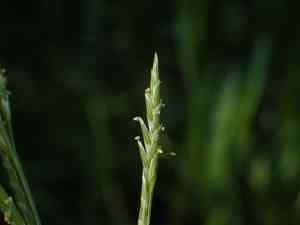
Originating from marshy environments, small sweet-grass flourishes in moist ground. Perform trimming during its inactive period in early spring or winter to stimulate robust development and avert excessive density. Remove withered or discolored leaves to preserve its well-being and visual attractiveness. Trimming additionally manages its stature and fosters fresh sprouts, augmenting the plant's fullness and verdant look. Discard all trimmed material to discourage infestations or illnesses.
Advantages of Trimming Small Sweet-grass
Advantages of Trimming Small Sweet-grass
Trimming small sweet-grass promotes robust development and helps maintain its form, preventing excessive growth that could block sunlight and air circulation, vital for the plant's well-being and strength.
Optimal Time for Trimming Small Sweet-grass
Optimal Time for Trimming Small Sweet-grass
Trimming small sweet-grass in early spring is beneficial as this is typically when the plant emerges from dormancy and prepares for its active growth phase. This timing allows for the removal of any dead or damaged foliage from winter, without impeding new growth that will begin with warmer temperatures. Winter is also a suitable time for trimming small sweet-grass, especially later in the season, as the plant is dormant and less prone to stress from cutting. Additionally, the absence of foliage during this period offers clearer visibility for identifying which parts of the plant require trimming. Avoid trimming small sweet-grass during its active growth and flowering periods, as this can hinder its development and reduce its vitality.
Tools Required for Trimming Small Sweet-grass
Bypass Pruners
Suitable for making clean, precise cuts on small sweet-grass's thinner stems.
Grass Shears
Ideal for trimming and shaping small sweet-grass, especially in confined areas where larger tools won't fit.
Long-handled Loppers
Useful if small sweet-grass is mature or dense, allowing access into the plant without disturbing the wet habitat it may be growing in.
How to Trim Small Sweet-grass
Disease Identification
Examine small sweet-grass for any indications of disease on its leaves. Look for discoloration, spots, or decay that might suggest an unhealthy state.
Sterilization
Sanitize trimming tools before use to prevent the spread of disease. Use rubbing alcohol or a household disinfectant to clean the blades.
Trimming Diseased Leaves
Carefully remove diseased leaves from small sweet-grass at the base of the leaf stem, avoiding harm to healthy tissue. Perform this step with precision to ensure only affected parts are removed.
Trimming Withered Leaves
Identify withered leaves on small sweet-grass and trim them at the point where they meet healthy tissue. This encourages new growth.
Disposal
Properly dispose of all removed diseased and withered leaves. Do not compost them as they may harbor pathogens that can infect other plants.
Common Trimming Errors with Small Sweet-grass
Over-trimming
Removing too much foliage from small sweet-grass can stress the plant, potentially stunting growth or leading to its demise.
Incorrect cutting angle
Improper cutting angles can harm small sweet-grass by creating larger wounds that are more vulnerable to disease and pest infestation.
Using dull tools
Dull trimming tools can result in jagged cuts, damaging small sweet-grass and impeding its ability to heal properly.
Neglecting tool hygiene
Failing to clean tools between uses can spread disease among small sweet-grass specimens and other garden plants.
Ignoring plant health
Trimming small sweet-grass without assessing its health can remove growth essential for the plant's recovery from stress or disease.
General Trimming Advice for Small Sweet-grass
Selective trimming
It's important to selectively trim dead or diseased foliage from small sweet-grass, promoting healthy growth without harming the plant.
Correct cutting technique
When trimming small sweet-grass, make clean cuts at a 45-degree angle just above a node or bud to encourage healing and prevent water accumulation.
Sharp and clean tools
Use sharp, clean trimming shears for small sweet-grass, which ensure clean cuts and reduce the risk of disease transmission.
Gradual trimming
Gradually trim small sweet-grass over time rather than performing severe trimming in a single session to maintain plant health and vigor.
Balancing trim amount
It's crucial to balance the amount you trim from small sweet-grass, focusing on removing just enough to encourage growth while leaving sufficient foliage for photosynthesis.



