How to Prune Flame lily?
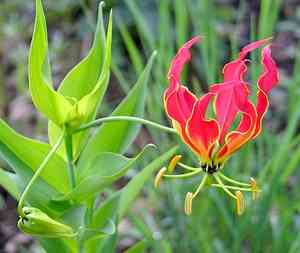
Frequently accessed via climbing or employing arching stalks, the flame lily is distinguished by its vivid blossoms and distinctive form. Optimal trimming for flame lily entails eliminating spent or faded blooms to stimulate fresh development and uphold a neat look. Perform pruning in spring subsequent to the final frost for vigorous growth, or in autumn to ready for its dormant phase. Given its poisonous characteristics, guarantee appropriate disposal of severed parts to prevent any detrimental outcomes. Trimming offers advantages such as better air circulation and increased blooming capacity.
What Are the Benefits of Pruning Flame Lily?
What Are the Benefits of Pruning Flame Lily?
Trimming flame lily promotes more blossoms, encourages robust development, and assists in maintaining its desired form, enhancing its decorative appeal while ensuring the plant stays healthy and manageable.
What Is the Best Time for Pruning Flame Lily?
What Is the Best Time for Pruning Flame Lily?
The optimal period to prune or trim flame lily is in late spring or early summer, following its blooming cycle. This timing allows for the removal of spent flowers and seed pods, which stimulates more blooms in the subsequent season. Pruning in late spring also provides flame lily ample time to recover and produce new growth before entering dormancy in autumn. Furthermore, this timeframe avoids the stress of harsh weather conditions like frost or extreme heat, which could harm the plant's health if pruned during such periods.
What Tools Do I Need to Prune Flame Lily?
Bypass Pruners
Perfect for making clean cuts on flame lily without crushing stems, which encourages healthy regrowth.
Pruning Shears
Suitable for trimming and shaping flame lily due to their precision and ease of use.
Gloves
Essential for protecting the gardener's hands from flame lily's potentially irritating sap during the pruning process.
Disinfectant
Required for cleaning tools before and after pruning flame lily to prevent disease transmission.
How to Prune Flame Lily
Sanitize
Before pruning flame lily, sterilize your pruning shears or scissors with isopropyl alcohol to prevent the spread of disease.
Diseased Leaves
Carefully inspect flame lily and identify any diseased leaves. Gently remove them with your sanitized pruning tool, ensuring you do not harm the main stem or adjacent healthy leaves.
Withered Leaves
Trim off withered leaves close to the stem of flame lily, being cautious not to make rough cuts that could damage healthy parts of the plant.
Withered Flowers
Prune withered flowers from flame lily by snipping them at the base of the bloom stalk, taking care not to damage the underlying growth buds.
Disposal
Properly dispose of all removed diseased and withered plant parts to prevent the spread of any potential pathogens in the garden area.
Common Pruning Mistakes with Flame Lily
Overpruning
Cutting back too much of flame lily's vines can hinder growth, as this plant requires sufficient foliage to photosynthesize and support its growth cycle.
Incorrect Cutting Technique
Using dull or dirty tools can lead to jagged cuts that may invite pests and diseases, or harm flame lily's delicate stems. Clean, sharp pruning shears are essential for making clean cuts.
Removal Of Healthy Growth
Removing healthy stems and leaves, thinking it will encourage more blooms. On the contrary, flame lily needs a balance of foliage and flowers for optimal health.
Ignoring Dead Material
Failure to remove dead or dying material, which can deplete flame lily's resources and potentially spread disease.
Pruning Active Growth
Pruning during periods of active growth can stress flame lily and reduce its vitality, potentially impacting its spectacular flowering display.
Common Pruning Tips for Flame Lily
Selective Pruning
Prune selectively, focusing on removing dead or diseased material and any stems that are overly tangled or crossing each other. This maintains flame lily's structural integrity and appearance.
Clean Tools
Always use clean, sharp pruning shears or scissors to make precise cuts, which helps prevent disease and damage to flame lily's stems.
Prune For Shape
Gently shape flame lily by trimming back excessively long stems to encourage a more compact, bushy growth habit, being mindful to retain a healthy amount of foliage.
After Flowering Care
Once flame lily has finished flowering, deadhead the spent blooms to encourage further blooming and redirect the plant's energy towards new growth.
Supportive Structure
If necessary, provide a supportive structure for flame lily to climb, as it is a vine. This helps maintain its shape and supports healthy growth.



