How to Prune Honey locust?
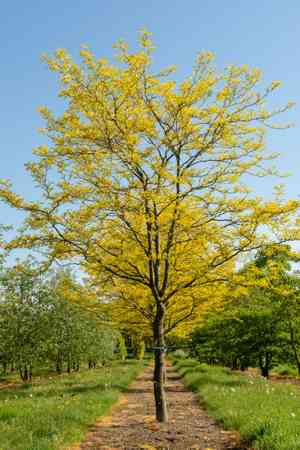
Recognized for its delicate leaves and imposing spines, the honey locust is a sturdy, leaf-shedding tree. Essential trimming methods involve eliminating deceased, impaired, or intersecting limbs and sculpting for architectural soundness. The ideal period for this is from late winter to early spring, prior to the surge of new growth. Particular pruning aspects include the cautious extraction of its lengthy thorns to prevent harm, which aids in fostering strong development and preserving the tree's well-being. Consistent trimming additionally enhances light penetration and air movement throughout the crown.
What Are the Benefits of Pruning Honey Locust?
What Are the Benefits of Pruning Honey Locust?
Trimming honey locust promotes robust development and maintains its desired shape. Regular cutting prevents branch congestion, supporting a strong structure and allowing light to penetrate, which is vital for the tree's well-being.
What Is the Best Time for Pruning Honey Locust?
What Is the Best Time for Pruning Honey Locust?
Trimming honey locust in late winter before spring growth is ideal because the plant is dormant, minimizing sap loss and reducing pest infestation risk from fresh cuts. This timing helps wounds heal quickly as the growth cycle begins. Early spring pruning is also good for identifying and removing dead or diseased branches before new leaves and branches appear. This aligns with honey locust's natural growth cycle, promoting healthy development for the upcoming season. Additionally, it avoids negative impacts on flowering and fruiting, as honey locust typically blooms and develops seed pods later in spring and summer.
What Tools Do I Need to Prune Honey Locust?
Hand Pruners
For young or thin branches under 1 inch in diameter, use bypass hand pruners for clean cuts that encourage healthy regrowth on honey locust.
Loppers
For medium-sized branches between 1 and 2 inches thick, loppers provide the necessary leverage for precise cuts without harming honey locust.
Pruning Saw
For larger branches over 2 inches in diameter, a pruning saw is essential to manage the thickness and hardness of honey locust's woody limbs.
Pole Pruner
To safely reach higher branches without a ladder, a pole pruner is perfect for maintaining the shape and health of honey locust.
Chain Saw
For removing larger limbs or performing significant structural pruning on mature honey locust, a chainsaw might be needed. Ensure strict adherence to safety protocols.
Pruning Gloves
Wear durable pruning gloves to protect hands from honey locust's sharp thorns and rough bark.
Safety Goggles
To shield eyes from wood chips and debris, especially when cutting overhead branches of honey locust.
How to Prune Honey Locust
Step1: Timing for Pruning
Determine the optimal time for pruning honey locust, typically late winter or early spring before new growth starts. Pruning at this time reduces stress on the tree and minimizes disease risk.
Step2: Pruning Tool Preparation
Gather the necessary tools for pruning honey locust, which may include hand pruners, lopping shears, a pruning saw, and safety gear like gloves and eye protection.
Step3: Old Wood Identification
Examine honey locust for old wood—characterized by a lack of leaves, darker color, and possibly rough or cracking bark. Mark branches to be pruned with non-harmful paint or ties for clear identification.
Step4: Weak Stem Removal
Begin by removing any weak stems or branches that have grown at awkward angles and do not contribute to honey locust's overall structural integrity. Cut these back to their origin or to a strong lateral branch that can take over.
Step5: Damaged Limb Pruning
Locate any damaged limbs, which may appear broken, split, or diseased. Prune these limbs back to healthy wood. If the entire limb is affected, remove it back to the branch collar, the swollen tissue at the base of the branch.
Step6: Healthy Bud Cutting Technique
Prune old wood by cutting just above a healthy bud or branch, ensuring the cut is angled away from the bud to prevent water collection and encourage new growth away from honey locust.
Step7: Natural Shape Maintenance
Maintain honey locust's natural shape by making cuts of varying lengths, which will result in a more natural silhouette rather than a tightly manicured form.
Step8: Interior Branch Thinning
Thinning some interior branches can improve air circulation and light penetration, benefiting honey locust's health. Remove these branches by cutting them back to their point of origin.
Step9: Cleanup of Pruning Debris
After pruning, remove all cuttings and debris to reduce the potential for disease or insect infestation around honey locust.
Step10: Post-Pruning Monitoring
Monitor honey locust after pruning to ensure proper healing of cut areas and to watch for any signs of stress or disease that may require additional care or intervention.
Post-Pruning Care for Honey Locust
Post-Pruning Care for Honey Locust
Immediately after pruning honey locust, apply wound dressing to large cuts to prevent disease. Ensure honey locust is in an environment with full sun exposure, moderate humidity, and mild temperatures, reducing stress. Water adequately without waterlogging. Within a month, apply a balanced, slow-release fertilizer to promote recovery and growth. Regularly inspect for signs of distress, such as wilting or discoloration. If symptoms appear, adjust care accordingly and consult an arborist if needed for potential infections.
Common Pruning Mistakes with Honey Locust
Harmful Over-pruning
Excessive pruning, which can be particularly detrimental, potentially removing too much foliage and thereby stressing the tree.
Ignoring Dead or Diseased Branch Removal
Failing to remove dead or diseased branches, which can lead to further deterioration of honey locust's health.
Improper Cutting Techniques
Making incorrect cuts, such as leaving stubs or tearing bark, can create entry points for pests and diseases and hinder proper healing.
Not Sterilizing Tools Between Cuts
Pruning without sanitizing tools between cuts, especially when moving between diseased and healthy branches, risks spreading pathogens.
Disregarding honey locust's Natural Shape
Ignoring the natural form of honey locust can result in a less aesthetically pleasing shape and potentially weaker structure.
Common Pruning Tips for Honey Locust
Precise Cuts with Sharp, Clean Tools
Use sharp, clean pruning tools to make precise cuts and minimize the risk of damaging honey locust's branches and bark.
Remove Dead, Diseased, Damaged Branches
Target dead, diseased, or damaged branches for removal to maintain honey locust's health and vigor.
Prune to Enhance Natural Form
Prune to enhance the tree's natural form, removing only what is necessary while observing the tree's overall shape and branching structure.
Correct Angled Cuts for Fast Healing
Make cuts at the correct angle, just outside the branch collar, to promote faster healing and prevent disease entry.
Sterilize Tools After Pruning Diseased Branches
Sanitize tools with alcohol or bleach solution between cuts when pruning diseased branches to prevent spreading infection to healthy parts of the tree.



