How to Prune Ground ivy?
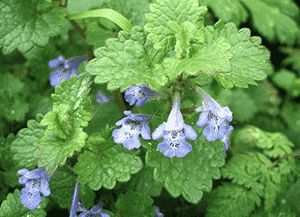
This trailing perennial plant, characterized by its reniform foliage and violet blossoms, flourishes in dimly lit environments. For Glechoma hederacea, trim any excessively long or lifeless portions to preserve its form and manage its expansion. The most effective period for pruning extends from the beginning of spring through the end of autumn, facilitating robust development. Consistent trimming deters Glechoma hederacea from becoming intrusive and fosters more vibrant, thicker leaves. It is essential to discard severed pieces appropriately, as they can readily establish roots, resulting in unintended proliferation.
What Are the Benefits of Pruning Ground Ivy?
What Are the Benefits of Pruning Ground Ivy?
Trimming ground ivy promotes robust development and maintains its form. Strategic cuts enhance strength, prevent excessive growth, and ensure an attractive shapeâcrucial for garden upkeep and plant vitality.
What Is the Best Time for Pruning Ground Ivy?
What Is the Best Time for Pruning Ground Ivy?
Pruning ground ivy in early spring enables gardeners to remove any dead or damaged foliage from winter, preparing for vigorous new growth. It is a perennial with a strong growth habit, often becoming dense and invasive. During the active growth phase in spring and summer, regular trimming helps manage its spread and encourages a more compact shape. This maintenance ensures the plant remains healthy and visually appealing throughout its growth cycle. Late fall is another suitable time for trimming ground ivy, after flowering has ceased. Pruning then helps control the plant's size and prevents it from dominating garden areas, while also reducing the likelihood of disease and pest infestations that can overwinter on excess foliage. These seasons align with the plant's natural growth patterns and dormancy periods, allowing it to recover and thrive in the subsequent growing season.
What Tools Do I Need to Prune Ground Ivy?
Hand Shears
For precise cuts on ground ivy, hand shears are perfect. They allow clean cuts without harming delicate stems.
Pruning Scissors
Ground ivy can be easily managed with pruning scissors, especially for thinning or harvesting small sections.
Gardening Gloves
Ground ivy can be pulled by hand, and gloves protect hands during this process as well as when using other tools.
Leaf Rakes
After pruning, leaf rakes are useful for collecting and removing ground ivy debris from the garden area.
How to Prune Ground Ivy
Step1: Identifying Old Shoots
Identify old shoots on ground ivy by looking for stems with thicker, woodier bases and significant leaf growth, often appearing more mature and less vibrant than newer growth.
Step2: Sanitizing Pruning Shears
Sanitize your pruning shears with a solution of 1 part bleach to 9 parts water to prevent disease transmission.
Step3: Pruning Old Shoots
For old shoots, make cuts about 1/4 inch above a healthy leaf node or bud, angling the shears at about a 45-degree angle. This promotes new growth from the remaining buds.
Step4: Locating Weak Stems
Locate weak stems on ground ivy, which are typically thinner, may be paler in color, and lack vigor or may be growing in undesirable directions.
Step5: Cutting Back Weak Stems
Prune weak stems by cutting them back to their point of origin from a main stem, or to the base of the plant if they are not contributing to the overall form and health of ground ivy.
Step6: Shaping Foliage
After trimming, gently shape the remaining foliage of ground ivy by trimming any irregular or overly long shoots to maintain the desired shape and appearance.
Step7: Disposing of Pruning Debris
Dispose of all removed material from ground ivy promptly to prevent any potential disease or pest infestation.
Step8: Watering Post-Pruning
Water ground ivy lightly to help alleviate any stress caused by pruning and to encourage new growth.
Step9: Monitoring Plant Recovery
Monitor ground ivy after pruning for signs of new growth and health, adjusting care practices as necessary to ensure robust recovery and future growth.
Post-Pruning Care for Ground Ivy
Post-Pruning Care for Ground Ivy
Immediately after pruning, ground ivy needs gentle watering to reduce transplant shock. Ground ivy thrives in partial shade; maintain this to protect freshly cut areas. Ensure ambient humidity and stable temperatures to aid recovery. Apply a balanced fertilizer to replenish nutrients. Periodically check ground ivy for wilting, discoloration, or pests, indicative of stress or disease. Prompt intervention with appropriate treatments is crucial for ground ivy's health reinforcement.
Common Pruning Mistakes with Ground Ivy
Over-Pruning Weakens Plant
Pruning too aggressively, which may remove too much foliage and weaken ground ivy.
Unchecked Lateral Growth Leads to Overgrowth
Ignoring lateral growth control, allowing ground ivy to spread unchecked which may lead to overgrowth in unwanted areas.
Dull Tools Damage Plants and Spread Disease
Using dull or dirty pruning tools, which can damage the plant tissue and introduce disease to ground ivy.
Not Removing Dead/Diseased Parts Inhibits Growth
Neglecting to remove dead or diseased portions, which can inhibit healthy growth and spread disease.
Improper Pruning Causes Uneven Growth Shape
Pruning without considering the plant's growth pattern, which can result in an unappealing and uneven shape.
Common Pruning Tips for Ground Ivy
Sharp, Clean Tools for Healthier Cuts
Use sharp and clean cutting tools to make clean incisions, which help ground ivy to heal faster and reduce the risk of disease.
Thin Plants to Boost Airflow and Lower Fungal Risk
Thin out the plants by pruning back to a set of leaves, encouraging air circulation and reducing the risk of fungal infections.
Trim Creeping Stems to Control Spread
Control lateral spread by trimming back creeping stems to maintain the desired coverage area without inhibiting the natural growth habit.
Remove Dead Stems to Promote Healthy Growth
Regularly remove dead or dying leaves and stems to promote healthier growth and reduce the risk of pests and diseases.
Pinch Tips for Denser Plant Coverage
Pinch out the tips of young growth to encourage bushiness if a denser coverage of ground ivy is desired.
Proactively Cut Back to Prevent Invasiveness
When aiming to limit the spread, be proactive in cutting back stems that are encroaching on other plant spaces, to maintain garden aesthetics and prevent ground ivy from becoming invasive.



