How to Prune Barberton daisy?
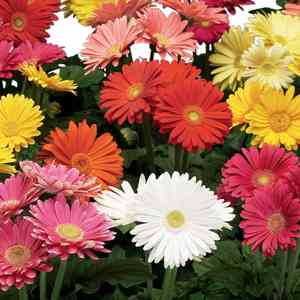
This beloved perennial, recognized for its vivid, daisy-shaped blossoms and abundant greenery, greatly thrives with appropriate trimming. Essential methods for barberton daisy involve removing faded flowers and excising withered or compromised foliage to foster robust development and ongoing flowering. Trimming can be performed throughout the year, but primarily after flowering to ready the plant for its subsequent cycle. This practice aids in preserving the plant's vitality, enhances air movement, and deters ailments. Always employ sanitized, keen implements for accurate incisions.
What Are the Benefits of Pruning Barberton Daisy?
What Are the Benefits of Pruning Barberton Daisy?
Trimming barberton daisy promotes abundant blooms, revitalizes growth, and keeps a neat shape. Carefully removing faded flowers and excess foliage not only stimulates flowering but also supports robust health by improving air circulation and preventing illness.
What Is the Best Time for Pruning Barberton Daisy?
What Is the Best Time for Pruning Barberton Daisy?
Spring is ideal for trimming barberton daisy as the plant awakens from dormancy and can quickly recover from cuts, encouraging a burst of new growth. Pruning in late summer allows barberton daisy to rejuvenate and prepare for the next flowering cycle without risk of damage from colder temperatures. Trimming during these seasons aligns with the plantâs natural growth pattern, ensuring optimal health and blooming performance while minimizing stress.
What Tools Do I Need to Prune Barberton Daisy?
Hand Pruners
Given that barberton daisy is a perennial with relatively soft stems, sharp hand pruners are perfect for making clean cuts without harming the plant. They allow for precision when removing spent flowers and trimming damaged leaves.
Pruning Shears
These are suitable for snipping flowers and deadheading barberton daisy. Their design allows easy access to the base of the flower stem.
Garden Scissors
For more delicate tasks like thinning or shaping barberton daisy, garden scissors can be especially useful. They offer control and accuracy without being too bulky or damaging to the plant.
Gloves
To shield the gardener's hands from scratches and potential irritants while trimming barberton daisy, a durable pair of garden gloves is recommended.
How to Prune Barberton Daisy
Step1: Prepare Clean Cutting Tools
Before beginning the trimming process for barberton daisy, ensure your scissors or pruning shears are clean and sharp to prevent damage and the spread of disease to the plant.
Step2: Sterilize Tools to Prevent Infection
Disinfect your cutting tools with a solution of 1 part bleach to 9 parts water or rubbing alcohol to minimize the chance of infection.
Step3: Identify Dead Flowers for Removal
Locate the dead flowers on barberton daisy that need to be removed. These are typically faded, wilted, or brown and no longer visually appealing.
Step4: Snip Dead Flowers Above Healthy Leaves
Carefully cut the stem of the dead flower just above the first set of healthy leaves, taking care not to harm any other parts of the plant.
Step5: Detect and Trim Damaged Leaves
Look for any damaged leaves that are discolored, wilted, or show signs of disease or pest infestation. These leaves can potentially harm barberton daisy if left untreated.
Step6: Remove Leaves at Base Without Harming Crown
Trim the damaged leaves at the base of their stem, close to the central crown of barberton daisy, avoiding any cuts into the crown itself, as this can introduce disease.
Step7: Inspect for Dead Plant Material
Examine barberton daisy for any additional dead or dying plant material, such as old flower stems that have not been previously removed.
Step8: Prune Old Stems at Base Carefully
Cut these old stems back to their base, just above where they emerge from the crown, being careful not to damage the crown or nearby foliage.
Step9: Clean Plant Base of Debris
Once the dead flowers and damaged leaves have been removed, tidy up the plant by clearing any loose debris or fallen leaves from the base of barberton daisy.
Step10: Dispose of Pruned Material Safely
Discard the trimmed plant material in a compost heap or bin, keeping it away from barberton daisy to prevent disease.
Step11: Water and Fertilize Post-Pruning
Water barberton daisy directly at the base to avoid wetting the foliage, which can lead to disease, and provide a balanced fertilizer to encourage healthy new growth after trimming.
Step12: Regularly Monitor and Prune as Needed
Periodically check barberton daisy for additional dead or fading flowers and damaged leaves, repeating the trimming process as necessary to maintain the plant's health and appearance.
Post-Pruning Care for Barberton Daisy
Post-Pruning Care for Barberton Daisy
Immediately after trimming barberton daisy, water the plant thoroughly to aid recovery. Maintain bright, indirect sunlight and consistent humidity, avoiding extreme temperatures. Apply a balanced liquid fertilizer to support new growth. Monitor barberton daisy for wilting, discoloration, or pests, which indicate stress or infection. If symptoms appear, reduce watering and check root health. Fungal infections may require an organic fungicide.
Common Pruning Mistakes with Barberton Daisy
Over-pruning Reduces Vigor and Flowering
Trimming too aggressively, which can stress barberton daisy and lead to reduced flowering or vigor.
Unclean, Dull Tools Cause Jagged Cuts
Not using clean, sharp tools, which could result in uneven cuts and increase the risk of disease.
Ignoring Dead Foliage Attracts Pests/Disease
Failing to remove dead or dying foliage, leaving barberton daisy susceptible to pests and diseases.
Incorrect Deadheading Damages Healthy Growth
Cutting into healthy tissue when removing spent flowers, which may harm barberton daisy's potential for new growth.
Common Pruning Tips for Barberton Daisy
Use Sterilized Shears for Clean Cuts
Always use disinfected pruning shears to prevent the spread of diseases when cutting back barberton daisy.
Correct Deadheading Spurs Further Blooming
Trim spent flowers down to the nearest set of leaves to encourage more blooming without harming healthy growth.
Remove Dead Leaves for Disease Prevention
Regularly remove dead or yellowing leaves at the base to maintain good air circulation and reduce disease risk.
Thinning Out Enhances Airflow and Light
Thin out crowded areas by cutting stems at the base to promote better air flow and light penetration, which is crucial for the health of barberton daisy.
Prune Outer Shoots for Shape Maintenance
Cut back the outermost shoots more sparingly to maintain barberton daisy's shape and improve its overall appearance.



