How to Prune Bloody cranesbill?
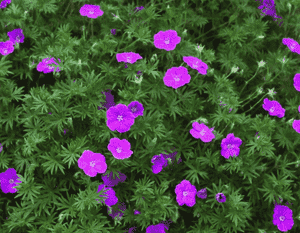
This resilient perennial, recognized for its vibrant magenta-pink blossoms and deeply divided foliage, Geranium sanguineum, thrives with consistent trimming to foster abundant flowering and a neat appearance. Remove faded blooms to encourage ongoing floral production. In the initial days of spring, trim away any deceased or compromised leaves prior to the emergence of new shoots. Following the inaugural frost, shorten the stalks to soil level to preserve the plant's well-being. During periods of active development, keep pruning to a minimum to prevent undue strain.
What Are the Benefits of Pruning Bloody Cranesbill?
What Are the Benefits of Pruning Bloody Cranesbill?
Trimming bloody cranesbill promotes abundant blooms, stimulates vigorous development, and maintains a compact, attractive shape. This vital practice helps cultivate a lively and thriving specimen.
What Is the Best Time for Pruning Bloody Cranesbill?
What Is the Best Time for Pruning Bloody Cranesbill?
Trimming bloody cranesbill in early spring is advantageous as it prepares the plant for strong new growth and helps maintain its form as it enters its active development phase. This timing also allows for the removal of winter damage and shaping before energy is directed to new growth. In late autumn, post-bloom, pruning is ideal to prevent diseases and pests from overwintering in dead or damaged plant tissue. Additionally, late fall pruning readies bloody cranesbill for dormancy, ensuring a healthier return in the subsequent growing season.
What Tools Do I Need to Prune Bloody Cranesbill?
Hand Pruners
Perfect for trimming and shaping bloody cranesbill due to their precise cutting ability, crucial for maintaining plant health and encouraging new growth. Hand pruners can easily cut through stems of bloody cranesbill without causing excessive damage to the plant.
Garden Scissors
Useful for removing spent flowers and light trimming. Garden scissors allow for accurate cuts without disturbing the surrounding foliage of bloody cranesbill.
Pruning Shears (Bypass Type)
Recommended for making clean cuts on live tissue, ensuring a quick healing process for bloody cranesbill. The bypass blade style minimizes harm to the remaining stems compared to anvil-types.
How to Prune Bloody Cranesbill
Step1: Inspect for Dead Flowers and Stems
Carefully examine bloody cranesbill to identify all dead flowers and old stems that need trimming. It's best to do this in late summer after the flowering season has peaked to encourage healthy growth and further blooming.
Step2: Sterilize Pruning Tools
Clean and sanitize your pruning shears before starting. This will prevent the spread of any diseases.
Step3: Prune Dead Flowers at Base
Begin with dead flowers. Carefully snip the spent flower heads at the base of the flower stalk, just above a leaf joint or bud. Avoid excessive cutting into the healthy foliage or stems to prevent damage to bloody cranesbill.
Step4: Remove Old Stems to New Growth
Proceed to remove old stems. Look for stems that are discolored, woody, or have very few leaves. Using your shears, prune these stems back to the plant's base or to a point where there are signs of new growth.
Step5: Thin Crowded Areas for Health
Thin out congested areas by removing selected stems to improve air circulation and light penetration. This will help bloody cranesbill maintain a healthy and attractive shape.
Step6: Dispose of Pruning Debris
After trimming, collect and discard all cuttings to minimize the potential for pests and diseases.
Step7: Water and Mulch Post-Pruning
Water bloody cranesbill if the soil is dry and add a layer of mulch around the plant to help retain moisture and suppress weeds.
Step8: Monitor Plant for Post-Pruning Health
Monitor bloody cranesbill for any signs of stress or pests over the following weeks and take appropriate measures, such as additional trimming if necessary or pest control methods.
Post-Pruning Care for Bloody Cranesbill
Post-Pruning Care for Bloody Cranesbill
Immediately after trimming bloody cranesbill, water the plant thoroughly to reduce stress. Ensure it's in a location with partial to full sunlight and maintain consistent moisture levels without waterlogging. Adjust humidity and temperature to avoid extreme conditions that can hinder recovery. Apply a balanced liquid fertilizer to support new growth. Regularly check for signs of infection or distress, such as wilting or discolored leaves, and treat promptly with appropriate fungicides or pest control methods.
Common Pruning Mistakes with Bloody Cranesbill
Over-Pruning Limits Photosynthesis and Plant Vigor
Trimming bloody cranesbill too severely, which can stress the plant and reduce its vigor. Cutting back too much foliage can limit photosynthesis and impair the plant's ability to thrive.
Incorrect Cut Placement Inhibits New Growth
Cutting bloody cranesbill at a point where there are no leaf nodes below the cut. This might hinder new growth because new stems grow from these nodes.
Using Dull or Dirty Tools Causes Disease Risk
Using dull or dirty trimming tools on bloody cranesbill, which can lead to jagged cuts that are more susceptible to disease, as well as potentially introducing pathogens to the wounds.
Failure to Deadhead Halts Flowering and Attracts Pests
Neglecting to remove dead or dying blooms from bloody cranesbill, a process known as deadheading, which can prevent the plant from producing new flowers and encourage disease and pest infestation.
Improper Pruning Harm Natural Shape and Health
Trimming bloody cranesbill without considering its natural shape or growth habit, which can result in an unnatural appearance and compromised plant health.
Common Pruning Tips for Bloody Cranesbill
Sharp, Clean Cuts for Healthy Healing
Use sharp, clean trimming shears to make precise cuts on bloody cranesbill, which will heal more quickly and reduce the risk of disease.
Prune Above Leaf Nodes for Bushier Growth
When cutting back bloody cranesbill, make your cuts just above a leaf node or branching point to encourage bushier growth and more abundant blooms.
Deadheading Encourages More Blooms
Regularly remove spent blooms of bloody cranesbill to promote continuous flowering throughout the growing season. Snip off the faded flowers down to the first set of leaves or a new flower bud.
Thin Stems to Boost Airflow and Reduce Disease
Thin out overcrowded stems of bloody cranesbill to improve air circulation, which helps to prevent fungal diseases such as mildew. Remove some of the older, woodier stems to allow younger shoots to flourish.
Respect Plant's Natural Contour in Shaping
When shaping bloody cranesbill, follow its natural contour and avoid cutting into old wood that may not produce new growth easily. Aim to create a harmonious and balanced form that complements the plant's habit.
Apply Mulch Post-Pruning for Recovery and Growth
After trimming bloody cranesbill, apply a light layer of mulch around the base to help maintain soil moisture and temperature, which can facilitate quicker recovery and robust growth.



