How to Prune Wild geranium?
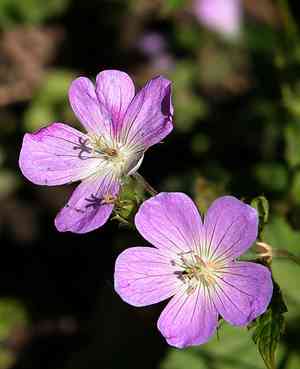
A perennial herbaceous species, wild geranium, distinguished by its vibrant pinkish-purple blossoms, thrives with deadheading to encourage ongoing flowering and inhibit self-propagation. Cut back the leaves following the blooming period to preserve a dense form and stimulate renewed development. The ideal period for trimming is in early spring prior to the emergence of new shoots or immediately after the final flowers wilt in late summer. Pruning boosts the plant's robustness and diminishes the likelihood of illness by fostering better air movement.
What Are the Benefits of Pruning Wild Geranium?
What Are the Benefits of Pruning Wild Geranium?
Trimming wild geranium promotes robust development and maintains its form, ensuring it stays attractive and thriving within garden settings.
What Is the Best Time for Pruning Wild Geranium?
What Is the Best Time for Pruning Wild Geranium?
Trimming wild geranium in early spring is advisable as the plant is still dormant or just starting to emerge. This timing allows gardeners to shape the plant and remove dead or damaged tissue without stressing wild geranium during its active growth phase. Pruning at this stage also encourages a healthier and more aesthetically pleasing growth pattern as the growing season progresses. Late summer pruning should be done carefully, ideally right after wild geranium has finished flowering, to prepare it for the next growing season without significantly impacting its health or winter hardiness. This helps to maintain the plant's structure and vigor, ensuring proper air circulation and reducing the risk of disease.
What Tools Do I Need to Prune Wild Geranium?
Hand Pruners
Perfect for making precise cuts on wild geranium, effectively managing its delicate stems and leaves without causing unnecessary harm.
Gardening Gloves
Protects the gardener's hands from thorns and plant sap while trimming wild geranium.
Pruning Shears
Best for cutting back wild geranium after blooming to encourage a second flush of flowers and manage its shape and size.
Garden Scissors
Useful for precisely snipping off dead or yellowed leaves from wild geranium, especially in confined areas.
How to Prune Wild Geranium
Step1: Assess Plant Health
Evaluate the wild geranium plant before trimming. Look for indications of spent flowers and diseased foliage. This initial review will help determine which parts of the plant require attention.
Step2: Prepare Pruning Tools
Gather your trimming tools. Use sharp, clean, and sanitized pruning shears to prevent the spread of disease when cutting through the wild geranium plant.
Step3: Identify Dead Flowers
Locate spent flowers on the wild geranium. Dead flowers are typically faded in color and may be dried out. These withered blooms can be found at the end of flowering stems.
Step4: Prune Dead Blooms
Trim the spent flowers by using your shears to snip the flowering stem just above a set of leaves or a new bud. This encourages the wild geranium to produce new growth and perhaps rebloom.
Step5: Spot Diseased Foliage
Search for diseased foliage, which may appear discolored, spotted, or wilted. It is important to remove these to prevent the disease from spreading throughout the wild geranium.
Step6: Remove Diseased Foliage
Carefully remove only the diseased foliage by cutting the affected leaves or stems at the point of healthy tissue. Do not remove more than one-third of the plant's foliage at a time, as this can stress the wild geranium.
Step7: Dispose of Plant Debris
After trimming, dispose of the spent flowers and diseased foliage properly, away from healthy plants, to prevent any potential spread of disease to other areas of the garden.
Step8: Sanitize Pruning Tools
Clean your trimming tools after finishing. Disinfect the shears to avoid transferring any pathogens to other plants or to the wild geranium the next time you prune.
Step9: Water and Mulch Plant
Water the wild geranium if the soil is dry, and apply a layer of mulch around the plant to help conserve moisture and discourage weed growth.
Step10: Monitor Plant Post-Pruning
Continue to monitor the wild geranium after trimming for signs of stress, disease, or the need for additional pruning. Regular care and maintenance will keep the wild geranium healthy and encourage vigorous growth.
Post-Pruning Care for Wild Geranium
Post-Pruning Care for Wild Geranium
Immediately after trimming wild geranium, water the soil to help reduce stress. Maintain moderate moisture levels without overwatering to avoid root rot. Ensure wild geranium receives dappled sunlight and stays in a well-ventilated area with a temperature of 65-75°F. Apply a balanced, slow-release fertilizer to replenish nutrients. Monitor wild geranium for wilted or discolored leaves, which may indicate stress or infection. If present, reduce stress factors and consider applying a fungicide if infection is suspected.
Common Pruning Mistakes with Wild Geranium
Over-Pruning: Stress and Vigor Loss
Trimming too aggressively, removing too much foliage which can stress wild geranium and reduce its vigour.
Improper Woody Stem Cutting: Risk of Bare Patches
Cutting into old, woody stems without knowing whether new growth will emerge from these areas, which might lead to bare patches and uneven growth.
Unsterilized Tools: Disease Spread
Neglecting to sterilize trimming tools before and after use, which can spread diseases from plant to plant.
Overlooking Damaged Stems: Continued Health Issues
Ignoring damaged or diseased stems when trimming, which can cause problems to persist and affect the overall health of wild geranium.
Aimless Pruning: Shape and Bud Removal Issues
Trimming without a clear goal, leading to an undesirable shape or the accidental removal of buds that would produce next season's flowers.
Common Pruning Tips for Wild Geranium
Sharp, Clean Cuts: Faster Healing, Disease Prevention
Use sharp, clean trimming shears to make clean cuts which help wild geranium heal faster and reduce the risk of disease.
Remove Dead Foliage: Encourage Growth and Blooming
Focus on removing only the dead or yellowing leaves and spent flower stems to encourage new growth and prolong blooming.
Thin Crowded Growth: Air Circulation and Plant Health
Thin out crowded growth to increase air circulation, which helps prevent fungal infections and promotes stronger, healthier plants.
Post-Flowering Cut Back: Rejuvenation and Fresh Growth
After flowering, cut back the foliage to rejuvenate the plant if it looks tattered or tired, which can stimulate fresh growth and improve the appearance.
Prune to Growth Nodes: Branching and Fullness
Always cut back to a point just above a set of leaves or a growth node to encourage wild geranium to branch out and become fuller.



